Blunt Force
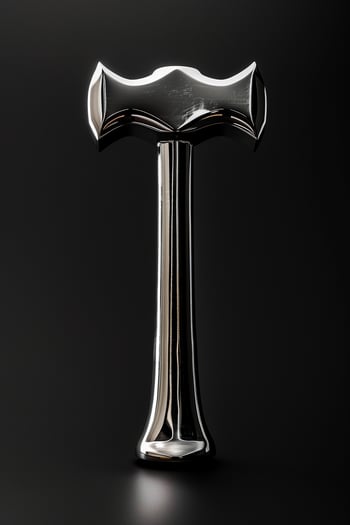
Blunt Force Damage is physical damage caused by a powerful impact against the body. Unlike cutting or piercing attacks, blunt force does not need to break the skin to cause serious injury. A sufficiently powerful impact can bruise, crush, fracture, or damage internal structures while leaving relatively little visible evidence of the injury.
Blunt Force is common in combat, where it is delivered by weapons such as hammers and maces, as well as by creatures with large or powerful appendages. It can also result from falls, collapsing structures, being struck by moving objects, or mechanical traps. In each case, the danger comes from the sudden transfer of force into the body.
Blunt Force Sources
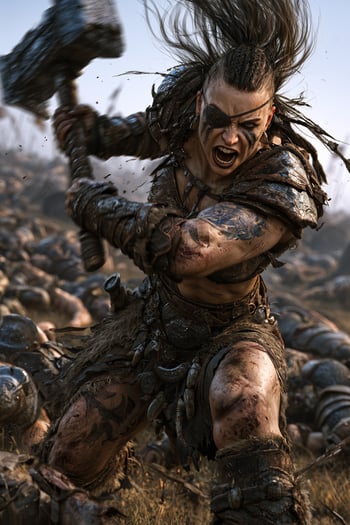
Blunt Force Damage can come from almost anything capable of delivering substantial physical force. Weapons are the most obvious source, but the environment can be just as dangerous. A falling stone, a closing wall, or the massive limb of a creature can deliver an impact every bit as damaging as a weapon deliberately designed for the purpose.
Examples include:
- Hammers, maces, clubs, and other blunt weapons
- Large creature appendages such as fists, tails, horns, or limbs
- Falls from significant heights
- Collapsing structures, cave-ins, and falling debris
- Mechanical traps involving crushing or striking mechanisms
- Moving objects, vehicles, or other massive objects
- Magical effects that create or deliver a physical impact
Blunt Force Saving Throws
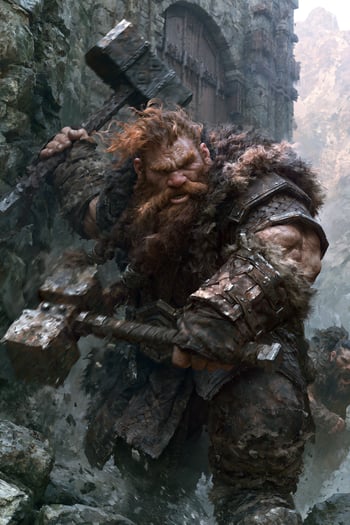
Outside of combat, the appropriate Saving Throw against Blunt Force Damage depends upon the circumstances. Strength may allow a character to resist or slow an inevitable crushing mechanism, hold back a closing barrier, or otherwise prevent an impact through physical force. Agility may allow a character to avoid a swinging object, falling debris, or another moving source of blunt force altogether.
In combat, however, Saving Throws do not ordinarily replace the combat rules. Combat actions, attacks, defenses, and the circumstances of the encounter determine whether a blow lands and how its effects are resolved. The distinction is important: an unexpected falling stone is an environmental hazard, while an enemy deliberately swinging a hammer at a character is a combat action.
Blunt Force Mitigation

Blunt Force Damage can be mitigated by preventing the impact, reducing the force that reaches the body, or using protective equipment designed to absorb or distribute the blow. Unlike some forms of damage, conventional physical protection can be highly effective against blunt force.
Active forms of mitigation include:
- Armor designed to absorb or distribute impacts
- Shields used to block or deflect attacks
- Combat actions that block, parry, evade, or otherwise mitigate an incoming attack
- Protection spells that reinforce or shield the body
- Protection runes and other magical wards
- Magical artefacts designed to absorb or reduce physical impacts
- Bracing or positioning the body to reduce the force of an unavoidable impact
Blunt Force Related Conditions
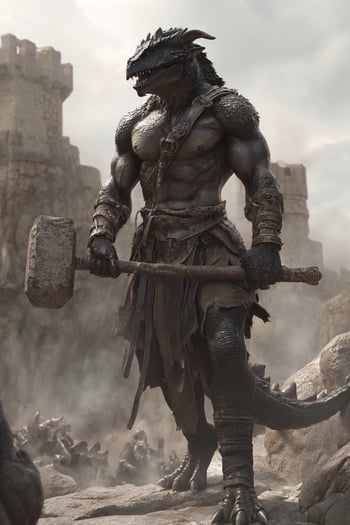
Severe Blunt Force Damage can impair the body's ability to function even when the victim remains alive. Damage to a limb or other body structure may result in Loss of Limb Function, leaving the character unable to effectively use the affected part of the body. A sufficiently severe impact can also cause Unconsciousness, particularly when the head or nervous system is affected.
When Blunt Force Damage reduces the body's available Body Points to a critical level, the consequences can become much more serious. Continued or sufficiently severe damage may ultimately result in death, whether from catastrophic injury, internal damage, or the body's inability to continue functioning.
| Copyright © 2021-2026 by Robyn Blaber and Will to Power Games. All rights reserved. Content on this website may not be reproduced without written permission of the copyright owner. |
