Chemical Burn

Chemical Burn Damage is physical damage caused by corrosive substances that chemically react with and destroy the material they contact. Unlike ordinary fire, which consumes through heat, chemical burns eat into flesh, clothing, equipment, and other materials through a corrosive reaction. The damage can continue as long as the corrosive substance remains in contact with its target.
Chemical Burns may be caused by liquids, vapors, or gases. A splash of acid may burn through clothing and skin, while a corrosive gas can damage the eyes, lungs, and exposed tissue. The severity of the damage depends not only upon the initial exposure, but also upon how quickly the corrosive material is removed or neutralized.
Chemical Burn Sources
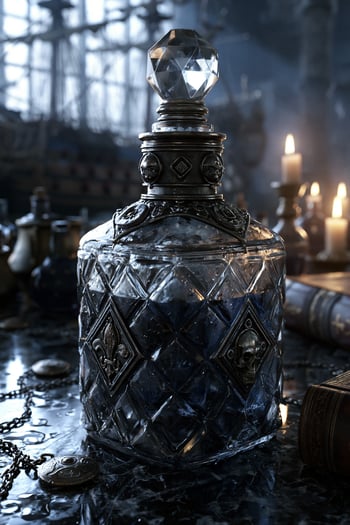
Chemical Burn Damage comes from naturally occurring or manufactured corrosive substances, as well as magical or technological weapons designed to deliver them. Some environments may contain pools or concentrations of corrosive material, while traps and weapons can deliberately project it onto unsuspecting targets.
Examples include:
- Pools of acid or other naturally occurring corrosive substances
- Jars, flasks, and containers of acid
- Traps that release, spray, or flood an area with corrosive liquid
- Tinker weapons that project liquid acid
- Tinker weapons or devices that release corrosive gases
- Creatures that produce or excrete corrosive substances
- Magical effects that create or weaponize corrosive materials
Chemical Burn Saving Throws

Outside of combat, Agility is often the primary Saving Throw against Chemical Burn Damage. A character may avoid an acid splash, move away from a leaking container, or escape the path of a corrosive spray. Endurance may be more appropriate when exposure cannot be avoided and the character must withstand the corrosive substance while attempting to escape or remove it.
In combat, however, Saving Throws do not ordinarily replace the combat rules. Combat actions, attacks, defenses, and the circumstances of the encounter determine whether a corrosive attack lands and how its effects are resolved. An acid weapon deliberately fired at a character during combat is handled through the normal combat rules; an unexpected acid trap or environmental hazard outside combat may call for an appropriate Saving Throw.
Chemical Burn Mitigation

The most important principle in mitigating Chemical Burn Damage is to stop the exposure. Armor and shields can prevent corrosive material from reaching the body, while protective magic and artefacts may resist the substance entirely. Once exposed, a corrosive material may need to be removed, diluted, or neutralized before it can stop causing damage.
Active forms of mitigation include:
- Armor or protective clothing resistant to corrosive substances
- Shields used to block splashes or sprays
- Diluting or neutralizing solutions appropriate to the corrosive substance
- Quickly removing contaminated clothing or equipment
- Protection spells that shield the body from chemical effects
- Protection runes and other magical wards
- Magical artefacts designed to resist corrosion
- Moving away from a corrosive gas or other contaminated area
- Removing the corrosive material from the body as quickly as possible
Chemical Burn Related Conditions
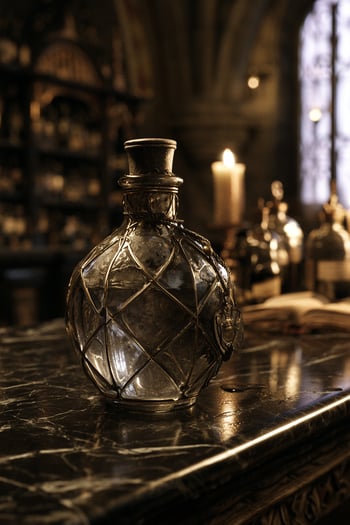
Chemical Burn Damage can produce Continued Corrosion, in which the damage persists because the corrosive substance remains on or within the affected area. Until the substance is removed or neutralized, the victim may continue suffering damage even after the original attack has ended.
Severe Chemical Burns can result in Loss of Sight when the eyes are exposed, or Loss of Limb Function and even Loss of Limb when deep corrosion destroys the tissues necessary to use an extremity. Corrosive gases may also cause serious internal injury when inhaled. If severe exposure continues untreated, Chemical Burn Damage can ultimately result in death.
| Copyright © 2021-2026 by Robyn Blaber and Will to Power Games. All rights reserved. Content on this website may not be reproduced without written permission of the copyright owner. |
