Ungirsi Federation
| General Information | |
|---|---|
| Capital | Negizi Ungir |
| Culture | Ungir |
| Government | |
| Government Type | Federation |
| Demographics | |
| Total Pop | 1,476,104 |
| Urban Pop | 107,159 |
| Rural Pop | 1,368,945 |
| Settlements | 9 |
| Geography & Economy | |
| Area | 40,508 sq. Gorom |
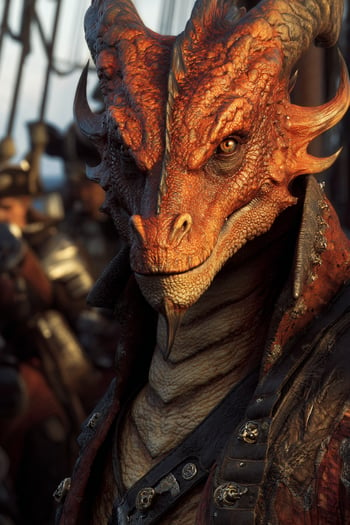
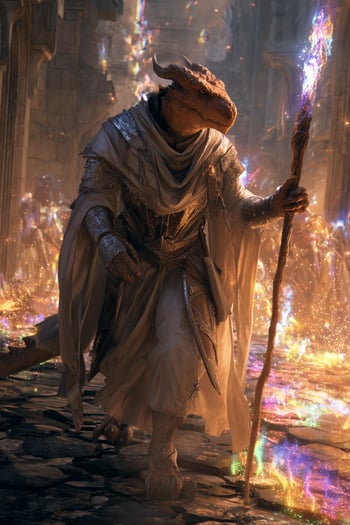
The Ungirsi Federation does not appear to be a federation to anyone who visits. Anyone with the temerity to visit a nation of Ungir has probably tried to learn as much as possible about them, yet despite there being four distinct substrains of Ungir, the only ones visible to the casual visitor are the Ustinde. These typically orange-brushed folk prefer the light of day to underground haunts. They build the farms, markets, and surface cities that make up the visible, day-to-day presence of the Ungir in the region.
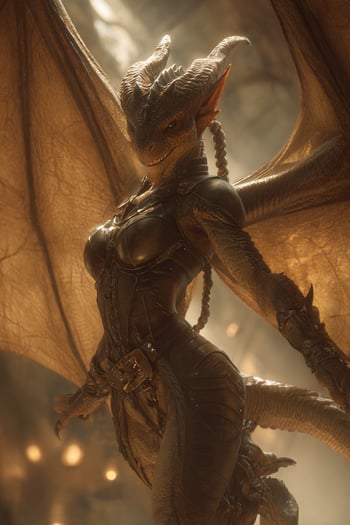
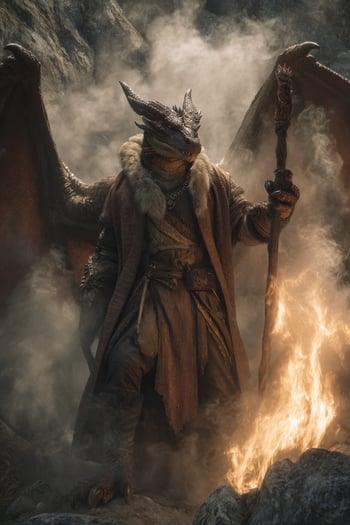
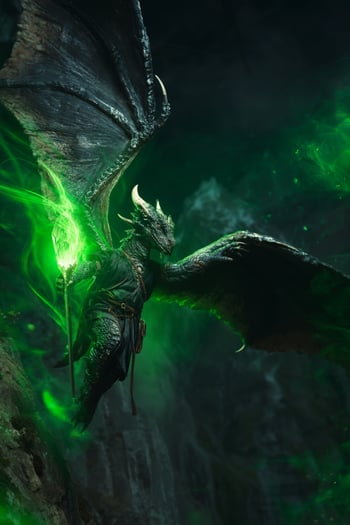
The reason for the name "Federation" lies hidden beneath the soil, along the coast, and high in the peaks. The maritime Juzuu live on the rocky beaches and beneath the coastal waves of the Ungirsi shores. The Usatin, those Ungir who have developed wings, have cultivated their own airy subculture and stick to the craggy hills and mountains along the country's western border. Meanwhile, the subterranean Karangi live deep underground, seen only by those surface Ungir brave enough to enter their tunnels, or the fortunate few who witness a Karangi surfacing for supplies.
While these four varieties live largely separated by terrain and inclination, they are far from disconnected. Representatives and leaders meet regularly at the nation's capital of Negizi Ungir in the Ozen Region to discuss trade, territorial defense, and the unified fate of the Ungir strain as a whole.
Population

Official census numbers for the Ungir tend to count only the surface-dwelling Ustinde, leading foreign diplomats to vastly underestimate the nation's total size. Sophists estimate the true population of the Ungirsi Federation could be anywhere from twice to one hundred times the formal census count of roughly 1.47 million. The unseen populations of deep-dwelling Karangi and sub-aquatic Juzuu remain nearly impossible for surface census-takers to measure with any degree of accuracy.
Military analysts and Sophists who have studied the potential defense capabilities of the Ungirsi homeland agree that the subterranean Karangi make the territory nearly impossible to invade. The Karangi have been breeding at a rate faster than almost any other sub-population on Otan, filling the earth beneath the Federation with an ever-expanding maze of military hazards. While foreign generals sometimes write off these reports as wild speculation, sending an invading force into Ungir territory without accounting for the hidden armies beneath one's feet has historically proven disastrous.
Culture
Four distinct Ungir cultures developed among the four tribes, stemming largely from the survival tactics adopted by each. The surface-dwelling Ustinde live above ground, retaining ties to their former Aydahar traditions. Due to their diminutive size, they borrow liberally from the Kuulik playbook and stand perpetually ready to "bug out" of their homes at a moment's notice. Their escape routes are engineered straight down into the earth through narrow, vertical shafts that few larger attackers could ever navigate.
The Karangi are legendary diggers who routinely assist their above-ground cousins by carving out complex escape tunnels. It is a service they provide eagerly, purely out of their innate love for excavation. Even with no practical reason to dig, a Karangi will dig anyway, constantly carving out subterranean caverns, agricultural galleries, and endless tunnel networks. In times of war, the Karangi can collapse passages on demand, narrow tunnels to choking bottlenecks, or set brutal traps to confound anyone foolish enough to pursue them into the dark.
Along the eastern coast, the Juzuu took to the sea, constructing underwater settlements alongside temporary beach encampments. These shoreline sites allow the Juzuu to trade with air-breathing merchants while maintaining a retreat route just below the tide. At the first sign of hostiles, a beach settlement can be abandoned with minimal material loss and rebuilt rapidly once the threat clears.
The wing-bearing Usatin make their homes in the western high country. Throughout their youth, Usatin are preoccupied almost entirely with the thrill of flight, nesting in high, unreachable cliffs. They rarely begin accumulating personal hoards until later in life, as their early years are consumed by aerial maneuvers and soaring over the granite peaks.
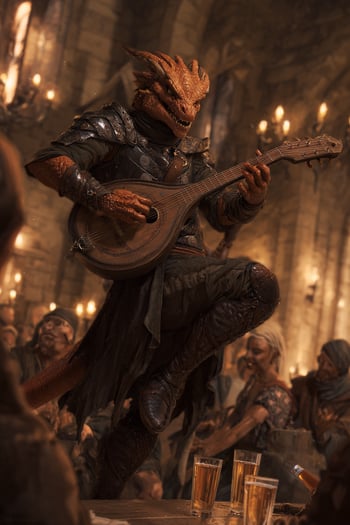
The true depth of Ungir culture reveals itself when the four substrains gather. As Otan's perpetual underdogs, their songs, poems, and theater heavily reflect the historical hardship dealt to them by humans and other strains. Yet despite the mournful nature of their music, Ungir festivals are among the most raucous and joyous on Otan. During these gatherings, the Ungir let loose with legendary feasting, drinking of glowing phosphorescent Karangi grog, and open sexual activity that makes objective note-taking difficult for even the most stoic foreign observers.
Politics
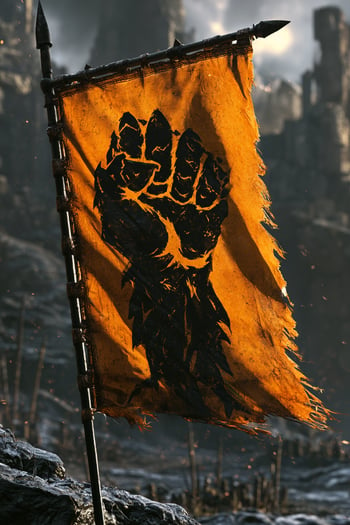
The Ungir love to hoard, and success at hoarding is central to their social hierarchy and political structure. Traditionally, the Ungir with the largest hoard is named sovereign, taking the official title of Fire Boss. Ungir who perform extraordinary services for their nation are awarded ceremonial tokens that can be added to their personal hoards, allowing even a modestly born Ungir to amass the wealth required to claim political power. However, the collective survival of the Ungir people is always held as more sacred than the preservation of any individual treasure.
A few legendary recluses possess inestimable hoards yet choose not to participate in the formal political process. While these hoarders are taxed by the state, Federation Assessors are strictly forbidden from taking so much as a glance at a private vault without an explicit invitation. Hoards themselves are sacred ground; to steal from an Ungir's hoard is considered the most heinous crime in the land, punishable by death with a level of customized sadism chosen by the victim.
From the seat of power in Negizi Ungir, the Fire Boss manages the national governance of the Ozen, Jagalaw, and Jaziktar regions simultaneously. The Fire Boss runs the nation partly like the chief executive of the Kuulik Trade Corporation and partly like the queen bee of a massive hive. While the Ungir do not possess a literal hive mind, their level of societal coordination when viewed from afar is astonishing.
National decisions made by the Fire Boss trigger immediate, synchronized action across all four substrains. Above-ground construction projects seamlessly align with deep-digging operations below, where tailings from new mines are quietly hauled away to serve as raw materials for surface ramparts. Remarkably, much of this work is conducted in absolute silence, a defensive discipline of silent labor that no other human strain on Otan has ever managed to replicate.
The flying Usatin of the high country are generally exempt from this earth-moving coordination, as digging through granite is slow work and their true escape route is the sky. However, when summoned by the Fire Boss, the Usatin provide vital aerial reconnaissance and air support to guard against foreign spies, for which they are generously compensated with underground gems and surface luxuries.
Economy
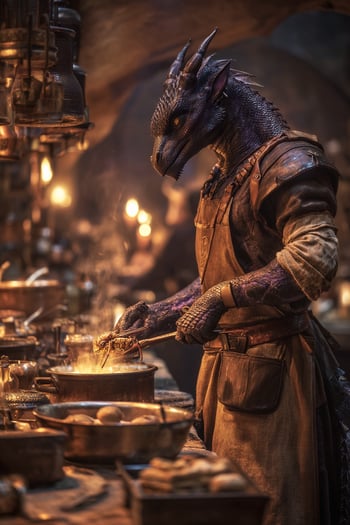
The Ungir are master excavators, extracting far more raw gems, metals, and subterranean minerals than they could ever use internally. These riches are traded away primarily for food, which the Ungir struggle to produce in sufficient quantities above ground. As custodians of some of the least fertile, most uninviting rocky terrain on Otan, Ungir Shamans stay perpetually busy managing underground mushroom galleries and tending surface livestock.
Trade is conducted almost exclusively with the Grendel and the Kuulik Trade Company. The Ungir are widely distrusted, and frequently despised, by neighboring human nations; in the Tsardom of Ortalyk to the south, Ungir are actively killed on sight, a hostility that renders standard international commerce impossible.
Beyond food, the Federation is a heavy net importer of timber. Vast quantities of lumber are required to shore up their endless networks of mine shafts and tunneling systems, with a smaller portion dedicated to structural framing for surface buildings in the Ustinde settlements.
Geography
The Ungirsi Federation encompasses roughly 40,508 square Gorom of rugged, rocky terrain. Its northwestern border touches Aelfwode, its northeastern frontier meets Maercland, and its long southern border is shared with the hostile Tsardom of Ortalyk. To the east, the nation possesses approximately 25 Gorom of coastline along the sea, off of which the sub-aquatic Juzuu inhabit an uncharted underwater extension of the Jagalaw Region.
The southern half of the country holds the majority of the visible surface population. The great Sairah River winds through this southern landscape, providing water and transport to most major settlements, including the federal capital of Negizi Ungir in the Ozen Region.
History
Ungir history is split into two distinct epochs: pre-history and written history. As with all strains across Otan, pre-history encompasses everything prior to the Great Erasure over 260 years ago, an event that wiped away written records and collective memory alike. However, archaeological clues remain. Ungir historians note clear cultural hallmarks and structural remnants embedded throughout the Aydahar nation of Altinquor, leading scholars to surmise that the Ungir originally lived and traded in close partnership with the ancient Aydahar before being settled in ceded Grendel territory post-Erasure.
Since the Great Erasure, the Ungir have fought to establish a permanent foothold. They built surface towns and deep underground networks out of raw rock in lands considered desolate by the rest of the world. Because their surface territory appeared devoid of valuable farmland or timber, foreign powers rarely bothered to harass them, save for lost travelers who strayed too close to their borders.
This isolation ended with the Grendel War. When clashing territorial claims drove the Grendel to launch a desperate, sweeping war against neighboring human nations, the crown prince of Ortalyk intervened. In a surprising display of solidarity with the Grendel, the Ungir mobilized their forces and launched an invasion of Ortalyk from the west.
The offensive move proved disastrous for the Ungir. While unmatched in subterranean defense and siege survival, their armies stalled when forced into open foreign territory. With few captures to add to the national hoard and their field forces pushed back to their own borders, the war ended with the Ungir deeply isolated. In the aftermath, surrounding human nations withdrew all diplomatic trust, leaving the Ungirsi Federation surrounded by wary, hostile neighbors.
Subregions of Ungirsi Federation
Biligi Territory
Capital: Unknown
Population: 46,783
Area (sq. Gorom).: 4,400
Jagalaw Region
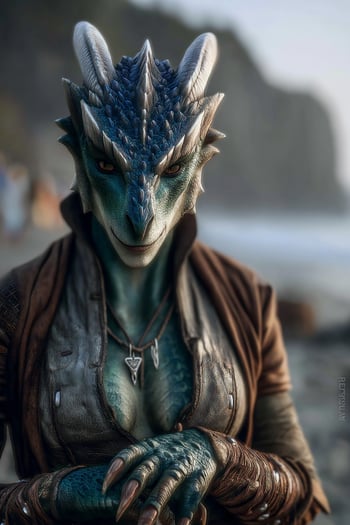
Capital: Lastik
Population: 83,950
Area (sq. Gorom).: 960
Jaziktar Region
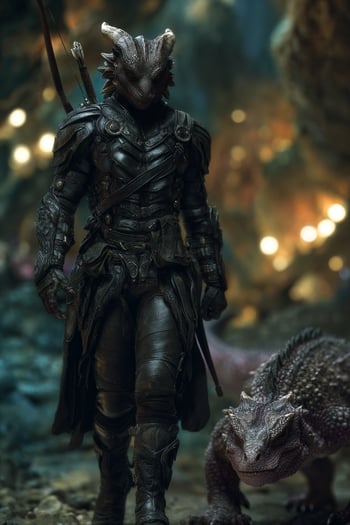
Capital: Balsik
Population: 653,270
Area (sq. Gorom).: 15,348
Ozen Region
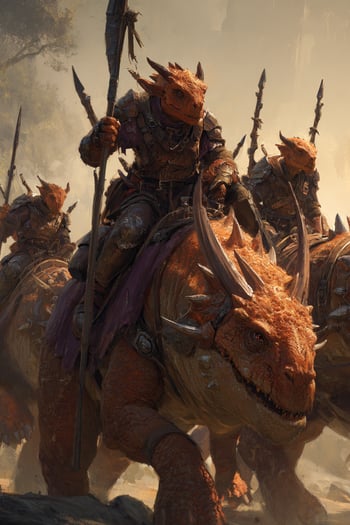
Capital: Negizi Ungir
Population: 692,100
Area (sq. Gorom).: 19,800
| Copyright © 2021-2026 by Robyn Blaber and Will to Power Games. All rights reserved. Content on this website may not be reproduced without written permission of the copyright owner. |
