Misiq: Difference between revisions
Robyn.Blaber (talk | contribs) Created page with "{{Infobox strain | title = Misiq | subtitle = Player Strain | caption = The Misiq (🔊 MIH-sik) are a solitary race native to southeastern Batis. Because of their detached nature, they have little contact with other strains. | strain = Misiq | scientific = Homo Felinus | plural = Misiq | possessive = Misiqan | substrains = Aristan, Baris, Jolbaris, Sileysin | image = https://imagedelivery.net/TNzzP2IqyQLYoHEs2ZN5aQ/0a8e3b1e-2f39-4..." |
Robyn.Blaber (talk | contribs) No edit summary |
||
| Line 15: | Line 15: | ||
| weight = | | weight = | ||
| wingspan = | | wingspan = | ||
| skin_color = | | skin_color = Light Brown, Dark Brown, Tan, Black, White, Gray, Ebony | ||
| hair_color = | | hair_color = Any Brown, Black, White, and Orange | ||
| feathers = | | feathers = | ||
| eye_color = | | eye_color = | ||
| build = | | build = Muscular | ||
| distinctions = | | distinctions = Muscular builds with feline heads, fur-covered bodies, and feline clawed feet. | ||
| language = | | language = | ||
| climate = | | climate = Tropical,Dry,Temperate | ||
| terrain = | | terrain = Plains,Hills | ||
| location = | | location = [[Tosenis]],[[Batis]],[[Karazalik]] | ||
| disposition = | | disposition = [[Sur]]vival mode. Suspicious. | ||
}} | }} | ||
The [[Misiq]] are a solitary race native to south-eastern [[Batis]]. Because of their detached nature, they rarely venture outside of their settled areas and few go on to become adventurers. For the most part, their existence is known to few outside of [[Batis]]. The [[Batis]]tiktar themselves, however, have viewed the [[Misiq]] as a problem. Whenever they wish to expand their towns and farms to produce more grains and livestock for export, they encroach upon [[Misiq]] territory. | The [[Misiq]] (Homo Felinus) are a solitary race native to south-eastern [[Batis]]. Because of their detached nature, they rarely venture outside of their settled areas, and few go on to become adventurers. For the most part, their existence is known to few outside of [[Batis]]. The [[Batis]]tiktar themselves, however, have viewed the [[Misiq]] as a problem. Whenever they wish to expand their towns and farms to produce more grains and livestock for export, they encroach upon [[Misiq]] territory. | ||
The [[Misiq]] have never governed themselves the way humans or other races do, at least not in terms of drawing arbitrary lines on physical maps to denote territory. The 'right' to territory in [[Misiq]] culture is subtle and complex. For a [[Misiq]] passing through another's territory, for example, they might not breach a complaint if their passage is deliberate and marked with a raised tail, i.e. no intention to hunt. Travelling through another's territory with a lowered and waving tail and/or pushed back ears signifies that the [[Misiq]] wishes to challenge territorial rights through combat or in taking game without permission. | The [[Misiq]] have never governed themselves the way humans or other races do, at least not in terms of drawing arbitrary lines on physical maps to denote territory. The 'right' to territory in [[Misiq]] culture is subtle and complex. For a [[Misiq]] passing through another's territory, for example, they might not breach a complaint if their passage is deliberate and marked with a raised tail, i.e., no intention to hunt. Travelling through another's territory with a lowered and waving tail and/or pushed back ears signifies that the [[Misiq]] wishes to challenge territorial rights through combat or in taking game without permission. | ||
So far, in their encounters with the [[Batis]], these invaders simply take what they wish without making signals. Without tails or ears, their intentions are a mystery, though when they are | So far, in their encounters with the [[Batis]], these invaders simply take what they wish without making signals. Without tails or ears, their intentions are a mystery, though when they are accompanied by tools and arrive in numbers, it's very apparent that they intend to claim territory. The [[Misiq]] have learned this the hard way. | ||
In confrontations with the [[Batis]], the [[Misiq]] rarely come out on top. The [[Batis]], who for their own reasons, have marginalized the [[Misiq]] to think of them as non-sapient creatures who are a nuisance to trade. The [[Batis]] will, horrifically, hunt them for their pelts. | In confrontations with the [[Batis]], the [[Misiq]] rarely come out on top. The [[Batis]], who, for their own reasons, have marginalized the [[Misiq]] to think of them as non-sapient creatures who are a nuisance to trade. The [[Batis]] will, horrifically, hunt them for their pelts. | ||
== Society and Culture == | == Society and Culture == | ||
{{LoreImage|#.png|350px|left}} | {{LoreImage|https://imagedelivery.net/TNzzP2IqyQLYoHEs2ZN5aQ/9db3aed1-0987-4b60-0f53-12a78fcb9b00/wiki#.png|350px|left}} | ||
The [[Misiq]] emerged from the Great Erasure as a fractured and broken people, awakening to a landscape of scorched homes and scattered kin. For two centuries, they have lived as a people in refuge, sheltering in the deep woods and rugged hills of the lands they now share with the [[Batis]]. This coexistence is fraught, as the [[Batis]] frequently hunt them, forcing the [[Misiq]] to adopt a culture of extreme mobility. They have become masters of the "vanishing settlement," capable of tearing down and relocating entire communities at the first whiff of ill fortune or approaching hostiles. | |||
This history of displacement has left the [[Misiq]] with a unique spiritual void; having found no solace in the heavens during their darkest hours, they possess no divines, no temples, and no formal religion. Their cultural focus is instead entirely terrestrial and communal. They retain a primal preference for fresh game over stored rations, though long-term exposure to metropolitan neighbors has led them to adopt the "unnecessary" practice of seasoning their meat with spices and supplementing their diet with plant proteins. | |||
Despite their guarded nature, the [[Misiq]] possess a rich musical heritage and congregate whenever possible to share stories and ancestral songs. These gatherings are the heart of their society, featuring traditional spectacles tailored to each substrain’s strengths: the [[Aristan]]s hold contests of raw power, the [[Baris]] compete in trials of stealth, and the Syleysin race in displays of blinding speed. The [[Jolbaris]], however, maintain their reputation as the most reclusive of the strain. While they enjoy and faithfully attend these festivities, they generally prefer not to compete or even speak to others, remaining silent observers of the culture they help sustain. | |||
{{-}} | |||
== Physical Characteristics == | == Physical Characteristics == | ||
{{LoreImage|#.png|350px|left}} | {{LoreImage|https://imagedelivery.net/TNzzP2IqyQLYoHEs2ZN5aQ/0665dc28-c816-4409-a4ef-20b712d0bf00/wiki#.png|350px|left}} | ||
The [[Misiq]] are defined by their striking feline physiology, a blend of predatory grace and human-like structure. All four substrains share certain core feline markers, including extended snouts, highly mobile rotatable ears, and clawed, paw-like feet. Their bodies are predominantly covered in a coat of short, dense hair, though the specific aesthetics of their form vary by lineage. The [[Aristan]] exhibit distinct leonine features, while the [[Baris]] possess a sleek, pantherine quality. The **[[Jolbaris]]** are characterized by their bold, tigrine appearance, and the **[[Sileysin]]** display the lithe, aerodynamic build of a cheetah. | |||
A notable quirk of [[Misiq]] biology is the disconnect between their feline limbs and their locomotive instincts. Despite possessing paws for feet, they do not naturally run on all fours, maintaining an upright, bipedal gait in nearly all circumstances. However, the [[Baris]] and [[Jolbaris]] have adapted a specialized crawling stance, which they utilize when attempting to achieve maximum stealth, lowering their profile to the ground to better stalk through the undergrowth. | |||
Aside from these specialized predatory adaptations, the [[Misiq]] body remains remarkably similar to the human baseline. Their internal anatomy and general skeletal structure follow human proportions, allowing them to inhabit and utilize the same tools and environments as other strains, though their unique paws often require specialized footwear or none at all, and their acute ears provide a range of hearing that far exceeds that of their more traditional human neighbors. | |||
{{-}} | {{-}} | ||
== Natural and Latent Abilities == | == Natural and Latent Abilities == | ||
{{LoreImage|#.png|350px|right}} | {{LoreImage|https://imagedelivery.net/TNzzP2IqyQLYoHEs2ZN5aQ/764b9639-e1c2-4041-44db-64cf902deb00/wiki#.png|350px|right}} | ||
The [[Misiq]] possess several predatory adaptations that have been essential to their survival as a displaced and hunted people. Most notably, they have a natural ability to see in low light, allowing them to navigate the dense woods and hills of the [[Batis]] lands during the safety of twilight or night. This visual edge is complemented by hearing that is significantly more acute than that of a typical human; without this heightened early-warning system to detect approaching threats, it is unlikely the strain would have survived their two centuries of refuge. | |||
Physiologically, the [[Misiq]] are also capable of thriving on a diet consisting entirely of animal protein. While their ancestors relied on this primal carnivorism to survive in the wilderness, the practice has become increasingly rare in modern [[Misiq]] society. As they have interacted more with metropolitan cultures, most have moved away from pure protein in favor of the diverse, seasoned, and plant-supplemented meals that have become the hallmark of their communal feasts. | |||
{{-}} | {{-}} | ||
== History == | == History == | ||
{{LoreImage|#.png|350px|right}} | {{LoreImage|https://imagedelivery.net/TNzzP2IqyQLYoHEs2ZN5aQ/8375ca5e-7094-4e99-c1f7-f5ace1f89500/wiki#.png|350px|right}} | ||
The [[Misiq]] awoke on the day after the Great Erasure as a people without a past, possessing no memory of their former plight or the events that led to their displacement. However, the world they entered was immediately hostile; the [[Batis]] began a ruthless campaign to eradicate them from the face of [[Otan]] shortly after their awakening. [[Sop]]hists largely agree that this hunt was not a new conflict, but rather a continuation of a systematic genocide that had begun well before the Great Erasure, leaving the [[Misiq]] as a people hunted by an enemy they did not remember making. | |||
In approximately the year 120 IM, the strain endured a profound internal schism. Driven by the exhaustion of constant flight, nearly a third of the [[Misiq]] population chose to leave [[Batis]] territory entirely, trekking toward the lands now known as [[Karazalik]] in search of a permanent home. The two factions have never communicated since that day, leaving the remaining [[Misiq]] with no knowledge of whether their kin found the refuge they sought or if they were swallowed by the wilderness. | |||
In the past decade, the [[Misiq]] have experienced a resurgence in strength and martial capability. While they are not yet equipped to withstand the full concentrated might of the [[Batis]] army, they have proven themselves more than a match for any raiding parties sent to harass their borders. They have begun to mark their territory and prepare for the rise of a formal nation, to be called [[Tosenis]]. Despite this growth, their greatest strategic hurdle remains: they must find a way to assert their independence and formalize their nationhood without triggering a full-scale invasion that could result in the total destruction of their people. | |||
{{-}} | {{-}} | ||
== [[Misiq]]an Substrains == | == [[Misiq]]an Substrains == | ||
=== [[ | === [[Baris]] Substrain === | ||
{{LoreImage|#.png|350px|right}} | {{LoreImage|https://imagedelivery.net/TNzzP2IqyQLYoHEs2ZN5aQ/526158d7-1733-4f78-0f78-4cd02e49fc00/wiki#.png|350px|right}} | ||
'''Description:'''The [[ | '''Description:'''The [[Baris]] (🔊 BARE-iss) are pantherine humanoids and the most common among the [[Misiq]]. They can be found in the widest range of colors and markings. | ||
'''Overview:'''The [[Baris]] (Homo Felis [[Panther]]a) are the most populous and versatile of the [[Misiq]] substrains. Often considered the "standard" by which the strain is measured, they exhibit the widest spectrum of aesthetics found in [[Otan]]. Their most distinguishing characteristic is, ironically, a lack of specialized ornamentation; unlike the maned [[Aristan]] or the aerodynamic [[Sileysin]], the [[Baris]] possess a sleek, uniform coat of short hair. This "blank canvas" allows for a stunning array of phenotypes, ranging from solid snow-white and vibrant orange to deep midnight black, with fur patterns spanning from solid coats to intricate spotted calico patterns. | |||
Within the social architecture of the [[Misiq]], the [[Baris]] have naturally gravitated toward roles of political and religious stewardship. Their dominance in these spheres is driven by a combination of sheer numerical superiority and a temperament that is significantly more gregarious than their reclusive kin. While the [[Jolbaris]] or [[Aristan]] might view the complexities of statecraft and communal organization as a secondary concern, the [[Baris]] find purpose in them. They act as the primary connective tissue between the scattered [[Misiq]] refuges, coordinating the stories, songs, and logistics that keep the strain unified. | |||
In recent years, this gregarious nature has evolved into militant leadership. As the shadow of the [[Batis]] threat continues to loom, it is the [[Baris]] who have become the most vocal and active champions of the [[Misiq]] cause. They are the primary architects of the budding [[Tosenis]] nationhood, channeling their organizational energy into a resistance movement that is as varied and adaptable as their own markings. By taking up the mantle of leadership, the [[Baris]] ensure that while the [[Misiq]] may be a people of refuge, they are no longer a people without a voice. | |||
{{-}} | |||
=== [[Jolbaris]] Substrain === | |||
{{LoreImage|https://imagedelivery.net/TNzzP2IqyQLYoHEs2ZN5aQ/a2f5fb80-bb40-4721-a522-b64e43405d00/wiki#.png|350px|right}} | |||
'''Description:'''The [[Jolbaris]] (🔊 jol-BARE-iss) are tigrine humanoids, and rare among the [[Misiq]]. Their powerful frames are wrapped in thick orange or white and black fur. | |||
'''Overview:'''The [[Jolbaris]] (Homo Felis Tigris) are the reclusive, tigrine elite of the [[Misiq]] strain. Characterized by their striking striped coats and a temperament as solitary as the great cats they resemble, they exist as a silent shadow within [[Misiq]] society. While the [[Baris]] manage the politics and the [[Aristan]] provide the muscle, the [[Jolbaris]] eschew the "rank and file" lifestyle entirely. They inhabit secluded forest enclaves, far from the prying eyes of both the [[Batis]] and their own kin, dedicated to a life of quiet, intense preparation. | |||
This isolation is not a sign of indifference, but of a specialized martial philosophy. The [[Jolbaris]] do not deploy regular troops to the front lines; instead, they remain hidden, training until a master of a specific Archetype (be it a martial or mystical path) reaches a pinnacle of power. Only when these individuals have attained a devastating level of lethality are they "sent into the fray." | |||
These [[Jolbaris]] heroes act as tactical scalpels rather than hammers, appearing on the battlefield to hack and blast through scores of enemies in a single engagement. The results are often catastrophic for the [[Batis]], who find their formations shattered by a single, striped whirlwind of destruction. The results are often devastating for [[Batistikar]] manpower and morale. | |||
Despite their distance, the bond between the [[Jolbaris]] and the broader [[Misiq]] population is defined by deep mutual respect. While other variants might technically prefer to have [[Jolbaris]] regulars bolstered within their ranks, none begrudge them their methods. The staggering sacrifices made by [[Jolbaris]] heroes in turning the tide of war are legendary, earning them a permanent place in [[Misiq]] song and story. | |||
When the [[Jolbaris]] emerge to attend communal functions, they remain true to their nature, rarely participating in the speeches, games, or contests of strength. They appear simply to show their solidarity, standing as silent sentinels of the [[Misiq]] cause before retreating into the safety of their verdant sanctuaries. They live to train for another day. | |||
{{-}} | {{-}} | ||
=== [[Aristan]] Substrain === | === [[Aristan]] Substrain === | ||
{{LoreImage|#.png|350px|right}} | {{LoreImage|https://imagedelivery.net/TNzzP2IqyQLYoHEs2ZN5aQ/271e0c61-4388-457a-4fc0-04fe489ed100/wiki#.png|350px|right}} | ||
'''Description:'''The [[Aristan]] (🔊 ah-RISS-tan) are leonine humanoids with several distinct traits that separate them from the more common [[Baris]] variant. | '''Description:'''The [[Aristan]] (🔊 ah-RISS-tan) are leonine humanoids with several distinct traits that separate them from the more common [[Baris]] variant. | ||
'''Overview:'''The [[Aristan]] are | '''Overview:'''The [[Aristan]] (Homo Felis Leo) represent the most gregarious and physically imposing of the [[Misiq]] substrains. Distinguished by their leonine features, including thick manes on the males and broad, powerful frames, they are defined by their specialization as apex pack hunters. Unlike their more solitary cousins, the [[Aristan]] possess a social biology driven by a taste for "Big Game." | ||
This dietary imperative has fostered a highly coordinated society where individuals hunt in pride-like packs, utilizing sophisticated flanking maneuvers to bring down massive beasts that would be insurmountable for a lone hunter. This reputation is so well-established that other [[Misiq]] tribes frequently summon [[Aristan]] war-parties to dispatch oversized "pests" or predators threatening their borders. | |||
Despite a reputation among outsiders for being nearly feral, the [[Aristan]] possess a keen, practical intelligence that has allowed them to adapt through brief, often transactional encounters with travelers and other human strains. They have moved beyond primitive survival to master specialized crafts that complement their martial lifestyle. Most notably, they have developed a unique form of "scale-craft," fashioning rudimentary but highly effective armor from the chitin and hides of the very monsters they cull. | |||
This technological evolution extends to the forge. [[Aristan]] encampments, once simple temporary shelters, now often play host to skilled weapon and armor smiths. These artisans specialize in heavy, high-impact weaponry designed to pierce the thick hides of legendary beasts. By merging their natural leonine strength with these acquired smithing skills, the [[Aristan]] have transformed from simple hunters into the de facto heavy infantry and monster-slayers of the [[Misiq]] people, providing a vital shield for their kin in an increasingly hostile world. | |||
{{-}} | |||
=== [[Sileysin]] Substrain === | |||
{{LoreImage|https://imagedelivery.net/TNzzP2IqyQLYoHEs2ZN5aQ/d30abeba-c432-4d67-b2e6-a7a38f761400/wiki#.png|350px|right}} | |||
'''Description:'''The [[Sileysin]] (🔊 sil-AYY-sin) are a cheetah-like strain of humans. They are rare among the [[Misiq]], with sleek bodies adorned with light and dark brown spotted fur. | |||
'''Overview:'''The [[Sileysin]] (Homo Felis Acinonyx) are the most specialized and physically distinct of the [[Misiq]] substrains. Architecturally lean and built for velocity, they embody the extreme trade-offs of the cheetah-like lineage they mimic. While they remain bipedal, their physiology has largely overridden the traditional human "persistence hunter" nature in favor of explosive, anaerobic bursts of speed. This makes them the fastest land-dwelling strain in [[Otan]], though this agility comes at the cost of being the most physically fragile of the [[Misiq]] variants. | |||
In the burgeoning military doctrine of the [[Misiq]], the [[Sileysin]] serve as the ultimate flanking force. Commanders regularly deploy [[Sileysin]] ground troops to exploit gaps in enemy lines, utilizing their blinding speed to bypass heavy infantry and strike at vulnerable rear assets. These maneuvers are practiced with obsessive repetition, as the [[Sileysin]] must rely on the devastating momentum of their initial strike; if a battle stretches into a protracted engagement, their physiological fragility becomes a significant liability. | |||
To mitigate exhaustion, their elite knights invariably take mounts, ranging from hardy local bison to traditional equine breeds, allowing them to preserve their own internal "sprint capacity" for the decisive moment of impact. With a large feline mounted on their backs, these creatures feel extra inspiration to gallop hard at an enemy. | |||
Beyond the battlefield, the [[Sileysin]] are deeply social but tend to be somewhat insular, forming tight-knit cliques during [[Misiq]] communal events. Their conversations almost exclusively revolve around the mechanics of movement and the pursuit of greater foot-speed. This preoccupation with the "fast life" is balanced by a surprising cultural role: the [[Sileysin]] are considered the preeminent "romantics" of [[Misiq]] society. They dedicate significant time to the composition of intricate music and poetry centered on the themes of love and courtship. It is a common jest among the other substrains that [[Sileysin]] poetry is just as vital to maintaining the [[Misiq]] population as their prowess on the battlefield. | |||
{{-}} | {{-}} | ||
=== [[ | == [[Misiq]]an Occupied Regions == | ||
{{LoreImage|#.png|350px|right}} | |||
'''Description:''' | === [[Tosenis]] === | ||
{{LoreImage|https://imagedelivery.net/TNzzP2IqyQLYoHEs2ZN5aQ/2b91fd2c-e3c3-4197-ddf1-a537ae641200/wiki#.png|350px|right}} | |||
'''Description:''' A nation that is not a nation, [[Tosenis]] (🔊 tow-SAY-nis) fights for its very existence in southeast [[Batis]]. It is peopled by the feline [[Misiq]] people. | |||
'''Overview:''' | '''Overview:''' Coming Soon | ||
{{-}} | {{-}} | ||
=== [[ | === [[Batis]] === | ||
{{LoreImage|#.png|350px|right}} | {{LoreImage|https://imagedelivery.net/TNzzP2IqyQLYoHEs2ZN5aQ/903428d9-feba-498f-d2dc-2da498890000/wiki#.png|350px|right}} | ||
'''Description:'''The [[ | '''Description:''' The [[Batis]] (🔊 bah-TEESE) Republic is a large territory in north-central [[Otan]]. It is populated, primarily by the agrarian [[Batistikar]] people. | ||
'''Overview:''' Coming Soon | |||
{{-}} | |||
''' | === [[Karazalik]] === | ||
{{LoreImage|https://imagedelivery.net/TNzzP2IqyQLYoHEs2ZN5aQ/8a63b1af-5a76-4cb8-f82e-a48aab027c00/wiki#.png|350px|right}} | |||
'''Description:''' The south-central nation of [[Karazalik]] (🔊 care-ah-ZAHL-ik) is populated by [[Human]]s, noted for their dark complexions and matriarchal society. | |||
'''Overview:''' Coming Soon | |||
{{-}} | {{-}} | ||
{{Copyright notice}} | {{Copyright notice}} | ||
[[Category:Strains]] | [[Category:Strains]] | ||
Revision as of 21:51, 3 March 2026
| Strain | Misiq |
|---|---|
| Scientific name | Homo Felinus |
| Plural | Misiq |
| Possessive | Misiqan |
| Substrains | Aristan, Baris, Jolbaris, Sileysin |
| Location | Tosenis,Batis,Karazalik |
| Climate | Tropical,Dry,Temperate |
| Terrain | Plains,Hills |
| Skin Color | Light Brown, Dark Brown, Tan, Black, White, Gray, Ebony |
| Hair Color | Any Brown, Black, White, and Orange |
| Build | Muscular |
| Distinctions | Muscular builds with feline heads, fur-covered bodies, and feline clawed feet. |
| Disposition | Survival mode. Suspicious. |
The Misiq (Homo Felinus) are a solitary race native to south-eastern Batis. Because of their detached nature, they rarely venture outside of their settled areas, and few go on to become adventurers. For the most part, their existence is known to few outside of Batis. The Batistiktar themselves, however, have viewed the Misiq as a problem. Whenever they wish to expand their towns and farms to produce more grains and livestock for export, they encroach upon Misiq territory.
The Misiq have never governed themselves the way humans or other races do, at least not in terms of drawing arbitrary lines on physical maps to denote territory. The 'right' to territory in Misiq culture is subtle and complex. For a Misiq passing through another's territory, for example, they might not breach a complaint if their passage is deliberate and marked with a raised tail, i.e., no intention to hunt. Travelling through another's territory with a lowered and waving tail and/or pushed back ears signifies that the Misiq wishes to challenge territorial rights through combat or in taking game without permission.
So far, in their encounters with the Batis, these invaders simply take what they wish without making signals. Without tails or ears, their intentions are a mystery, though when they are accompanied by tools and arrive in numbers, it's very apparent that they intend to claim territory. The Misiq have learned this the hard way.
In confrontations with the Batis, the Misiq rarely come out on top. The Batis, who, for their own reasons, have marginalized the Misiq to think of them as non-sapient creatures who are a nuisance to trade. The Batis will, horrifically, hunt them for their pelts.
Society and Culture
The Misiq emerged from the Great Erasure as a fractured and broken people, awakening to a landscape of scorched homes and scattered kin. For two centuries, they have lived as a people in refuge, sheltering in the deep woods and rugged hills of the lands they now share with the Batis. This coexistence is fraught, as the Batis frequently hunt them, forcing the Misiq to adopt a culture of extreme mobility. They have become masters of the "vanishing settlement," capable of tearing down and relocating entire communities at the first whiff of ill fortune or approaching hostiles.
This history of displacement has left the Misiq with a unique spiritual void; having found no solace in the heavens during their darkest hours, they possess no divines, no temples, and no formal religion. Their cultural focus is instead entirely terrestrial and communal. They retain a primal preference for fresh game over stored rations, though long-term exposure to metropolitan neighbors has led them to adopt the "unnecessary" practice of seasoning their meat with spices and supplementing their diet with plant proteins.
Despite their guarded nature, the Misiq possess a rich musical heritage and congregate whenever possible to share stories and ancestral songs. These gatherings are the heart of their society, featuring traditional spectacles tailored to each substrain’s strengths: the Aristans hold contests of raw power, the Baris compete in trials of stealth, and the Syleysin race in displays of blinding speed. The Jolbaris, however, maintain their reputation as the most reclusive of the strain. While they enjoy and faithfully attend these festivities, they generally prefer not to compete or even speak to others, remaining silent observers of the culture they help sustain.
Physical Characteristics
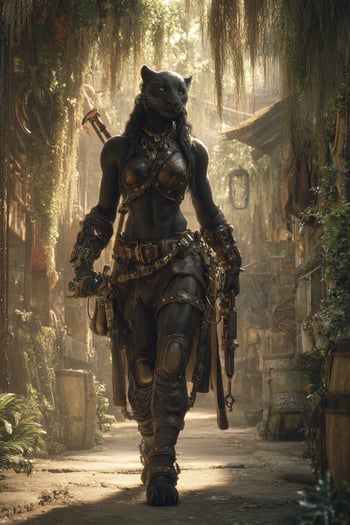
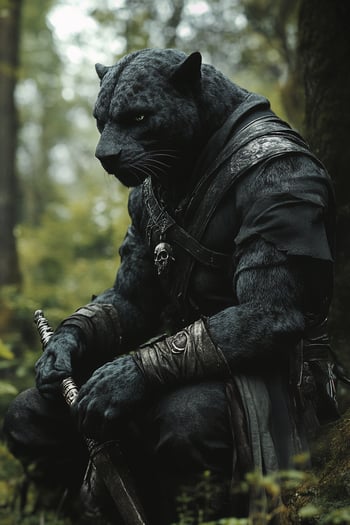
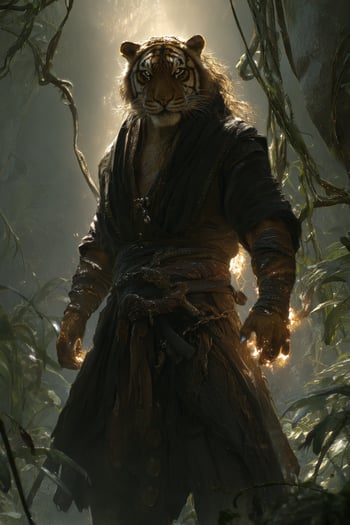
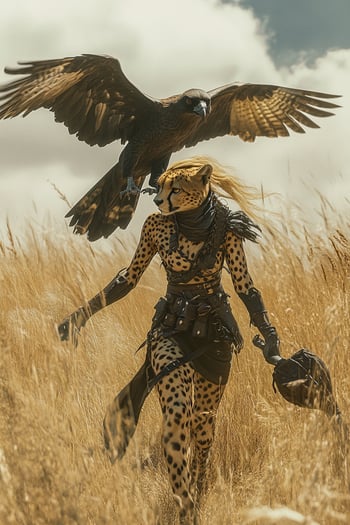
The Misiq are defined by their striking feline physiology, a blend of predatory grace and human-like structure. All four substrains share certain core feline markers, including extended snouts, highly mobile rotatable ears, and clawed, paw-like feet. Their bodies are predominantly covered in a coat of short, dense hair, though the specific aesthetics of their form vary by lineage. The Aristan exhibit distinct leonine features, while the Baris possess a sleek, pantherine quality. The **Jolbaris** are characterized by their bold, tigrine appearance, and the **Sileysin** display the lithe, aerodynamic build of a cheetah.
A notable quirk of Misiq biology is the disconnect between their feline limbs and their locomotive instincts. Despite possessing paws for feet, they do not naturally run on all fours, maintaining an upright, bipedal gait in nearly all circumstances. However, the Baris and Jolbaris have adapted a specialized crawling stance, which they utilize when attempting to achieve maximum stealth, lowering their profile to the ground to better stalk through the undergrowth.
Aside from these specialized predatory adaptations, the Misiq body remains remarkably similar to the human baseline. Their internal anatomy and general skeletal structure follow human proportions, allowing them to inhabit and utilize the same tools and environments as other strains, though their unique paws often require specialized footwear or none at all, and their acute ears provide a range of hearing that far exceeds that of their more traditional human neighbors.
Natural and Latent Abilities
The Misiq possess several predatory adaptations that have been essential to their survival as a displaced and hunted people. Most notably, they have a natural ability to see in low light, allowing them to navigate the dense woods and hills of the Batis lands during the safety of twilight or night. This visual edge is complemented by hearing that is significantly more acute than that of a typical human; without this heightened early-warning system to detect approaching threats, it is unlikely the strain would have survived their two centuries of refuge.
Physiologically, the Misiq are also capable of thriving on a diet consisting entirely of animal protein. While their ancestors relied on this primal carnivorism to survive in the wilderness, the practice has become increasingly rare in modern Misiq society. As they have interacted more with metropolitan cultures, most have moved away from pure protein in favor of the diverse, seasoned, and plant-supplemented meals that have become the hallmark of their communal feasts.
History
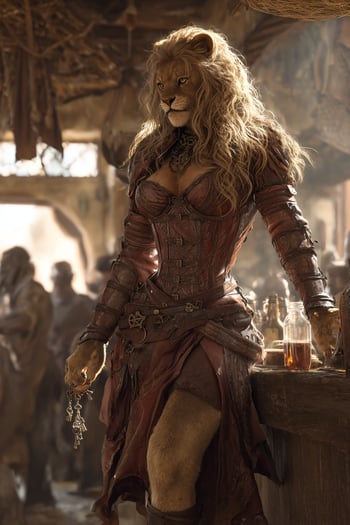
The Misiq awoke on the day after the Great Erasure as a people without a past, possessing no memory of their former plight or the events that led to their displacement. However, the world they entered was immediately hostile; the Batis began a ruthless campaign to eradicate them from the face of Otan shortly after their awakening. Sophists largely agree that this hunt was not a new conflict, but rather a continuation of a systematic genocide that had begun well before the Great Erasure, leaving the Misiq as a people hunted by an enemy they did not remember making.
In approximately the year 120 IM, the strain endured a profound internal schism. Driven by the exhaustion of constant flight, nearly a third of the Misiq population chose to leave Batis territory entirely, trekking toward the lands now known as Karazalik in search of a permanent home. The two factions have never communicated since that day, leaving the remaining Misiq with no knowledge of whether their kin found the refuge they sought or if they were swallowed by the wilderness.
In the past decade, the Misiq have experienced a resurgence in strength and martial capability. While they are not yet equipped to withstand the full concentrated might of the Batis army, they have proven themselves more than a match for any raiding parties sent to harass their borders. They have begun to mark their territory and prepare for the rise of a formal nation, to be called Tosenis. Despite this growth, their greatest strategic hurdle remains: they must find a way to assert their independence and formalize their nationhood without triggering a full-scale invasion that could result in the total destruction of their people.
Misiqan Substrains
Baris Substrain
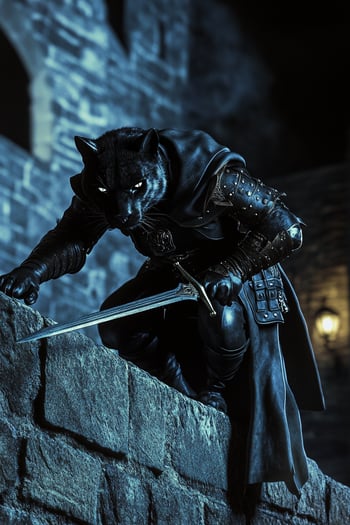
Description:The Baris (🔊 BARE-iss) are pantherine humanoids and the most common among the Misiq. They can be found in the widest range of colors and markings.
Overview:The Baris (Homo Felis Panthera) are the most populous and versatile of the Misiq substrains. Often considered the "standard" by which the strain is measured, they exhibit the widest spectrum of aesthetics found in Otan. Their most distinguishing characteristic is, ironically, a lack of specialized ornamentation; unlike the maned Aristan or the aerodynamic Sileysin, the Baris possess a sleek, uniform coat of short hair. This "blank canvas" allows for a stunning array of phenotypes, ranging from solid snow-white and vibrant orange to deep midnight black, with fur patterns spanning from solid coats to intricate spotted calico patterns.
Within the social architecture of the Misiq, the Baris have naturally gravitated toward roles of political and religious stewardship. Their dominance in these spheres is driven by a combination of sheer numerical superiority and a temperament that is significantly more gregarious than their reclusive kin. While the Jolbaris or Aristan might view the complexities of statecraft and communal organization as a secondary concern, the Baris find purpose in them. They act as the primary connective tissue between the scattered Misiq refuges, coordinating the stories, songs, and logistics that keep the strain unified.
In recent years, this gregarious nature has evolved into militant leadership. As the shadow of the Batis threat continues to loom, it is the Baris who have become the most vocal and active champions of the Misiq cause. They are the primary architects of the budding Tosenis nationhood, channeling their organizational energy into a resistance movement that is as varied and adaptable as their own markings. By taking up the mantle of leadership, the Baris ensure that while the Misiq may be a people of refuge, they are no longer a people without a voice.
Jolbaris Substrain
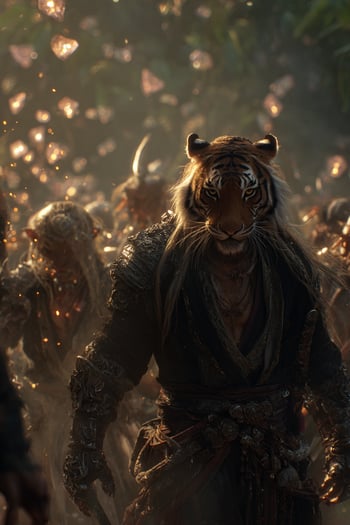
Description:The Jolbaris (🔊 jol-BARE-iss) are tigrine humanoids, and rare among the Misiq. Their powerful frames are wrapped in thick orange or white and black fur.
Overview:The Jolbaris (Homo Felis Tigris) are the reclusive, tigrine elite of the Misiq strain. Characterized by their striking striped coats and a temperament as solitary as the great cats they resemble, they exist as a silent shadow within Misiq society. While the Baris manage the politics and the Aristan provide the muscle, the Jolbaris eschew the "rank and file" lifestyle entirely. They inhabit secluded forest enclaves, far from the prying eyes of both the Batis and their own kin, dedicated to a life of quiet, intense preparation.
This isolation is not a sign of indifference, but of a specialized martial philosophy. The Jolbaris do not deploy regular troops to the front lines; instead, they remain hidden, training until a master of a specific Archetype (be it a martial or mystical path) reaches a pinnacle of power. Only when these individuals have attained a devastating level of lethality are they "sent into the fray."
These Jolbaris heroes act as tactical scalpels rather than hammers, appearing on the battlefield to hack and blast through scores of enemies in a single engagement. The results are often catastrophic for the Batis, who find their formations shattered by a single, striped whirlwind of destruction. The results are often devastating for Batistikar manpower and morale.
Despite their distance, the bond between the Jolbaris and the broader Misiq population is defined by deep mutual respect. While other variants might technically prefer to have Jolbaris regulars bolstered within their ranks, none begrudge them their methods. The staggering sacrifices made by Jolbaris heroes in turning the tide of war are legendary, earning them a permanent place in Misiq song and story.
When the Jolbaris emerge to attend communal functions, they remain true to their nature, rarely participating in the speeches, games, or contests of strength. They appear simply to show their solidarity, standing as silent sentinels of the Misiq cause before retreating into the safety of their verdant sanctuaries. They live to train for another day.
Aristan Substrain
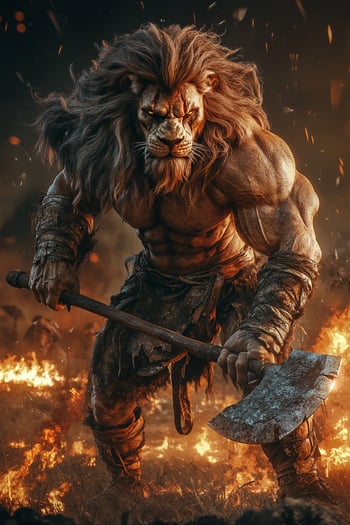
Description:The Aristan (🔊 ah-RISS-tan) are leonine humanoids with several distinct traits that separate them from the more common Baris variant.
Overview:The Aristan (Homo Felis Leo) represent the most gregarious and physically imposing of the Misiq substrains. Distinguished by their leonine features, including thick manes on the males and broad, powerful frames, they are defined by their specialization as apex pack hunters. Unlike their more solitary cousins, the Aristan possess a social biology driven by a taste for "Big Game."
This dietary imperative has fostered a highly coordinated society where individuals hunt in pride-like packs, utilizing sophisticated flanking maneuvers to bring down massive beasts that would be insurmountable for a lone hunter. This reputation is so well-established that other Misiq tribes frequently summon Aristan war-parties to dispatch oversized "pests" or predators threatening their borders.
Despite a reputation among outsiders for being nearly feral, the Aristan possess a keen, practical intelligence that has allowed them to adapt through brief, often transactional encounters with travelers and other human strains. They have moved beyond primitive survival to master specialized crafts that complement their martial lifestyle. Most notably, they have developed a unique form of "scale-craft," fashioning rudimentary but highly effective armor from the chitin and hides of the very monsters they cull.
This technological evolution extends to the forge. Aristan encampments, once simple temporary shelters, now often play host to skilled weapon and armor smiths. These artisans specialize in heavy, high-impact weaponry designed to pierce the thick hides of legendary beasts. By merging their natural leonine strength with these acquired smithing skills, the Aristan have transformed from simple hunters into the de facto heavy infantry and monster-slayers of the Misiq people, providing a vital shield for their kin in an increasingly hostile world.
Sileysin Substrain
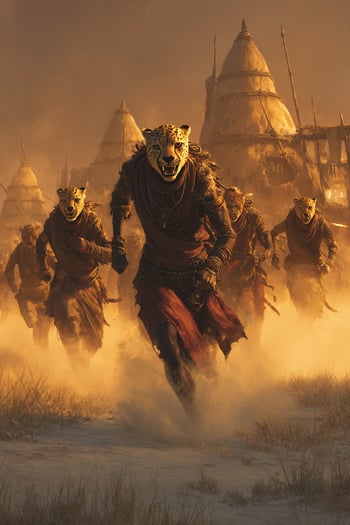
Description:The Sileysin (🔊 sil-AYY-sin) are a cheetah-like strain of humans. They are rare among the Misiq, with sleek bodies adorned with light and dark brown spotted fur.
Overview:The Sileysin (Homo Felis Acinonyx) are the most specialized and physically distinct of the Misiq substrains. Architecturally lean and built for velocity, they embody the extreme trade-offs of the cheetah-like lineage they mimic. While they remain bipedal, their physiology has largely overridden the traditional human "persistence hunter" nature in favor of explosive, anaerobic bursts of speed. This makes them the fastest land-dwelling strain in Otan, though this agility comes at the cost of being the most physically fragile of the Misiq variants.
In the burgeoning military doctrine of the Misiq, the Sileysin serve as the ultimate flanking force. Commanders regularly deploy Sileysin ground troops to exploit gaps in enemy lines, utilizing their blinding speed to bypass heavy infantry and strike at vulnerable rear assets. These maneuvers are practiced with obsessive repetition, as the Sileysin must rely on the devastating momentum of their initial strike; if a battle stretches into a protracted engagement, their physiological fragility becomes a significant liability.
To mitigate exhaustion, their elite knights invariably take mounts, ranging from hardy local bison to traditional equine breeds, allowing them to preserve their own internal "sprint capacity" for the decisive moment of impact. With a large feline mounted on their backs, these creatures feel extra inspiration to gallop hard at an enemy.
Beyond the battlefield, the Sileysin are deeply social but tend to be somewhat insular, forming tight-knit cliques during Misiq communal events. Their conversations almost exclusively revolve around the mechanics of movement and the pursuit of greater foot-speed. This preoccupation with the "fast life" is balanced by a surprising cultural role: the Sileysin are considered the preeminent "romantics" of Misiq society. They dedicate significant time to the composition of intricate music and poetry centered on the themes of love and courtship. It is a common jest among the other substrains that Sileysin poetry is just as vital to maintaining the Misiq population as their prowess on the battlefield.
Misiqan Occupied Regions
Tosenis
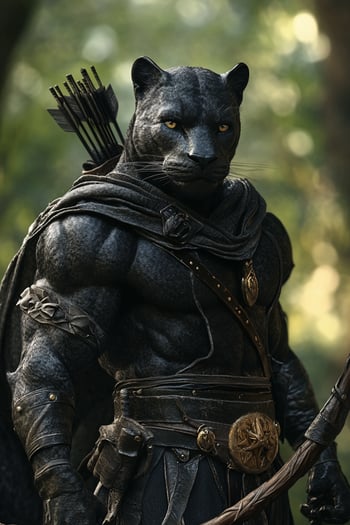
Description: A nation that is not a nation, Tosenis (🔊 tow-SAY-nis) fights for its very existence in southeast Batis. It is peopled by the feline Misiq people.
Overview: Coming Soon
Batis
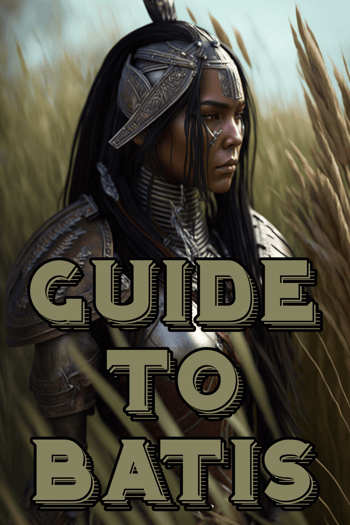
Description: The Batis (🔊 bah-TEESE) Republic is a large territory in north-central Otan. It is populated, primarily by the agrarian Batistikar people.
Overview: Coming Soon
Karazalik
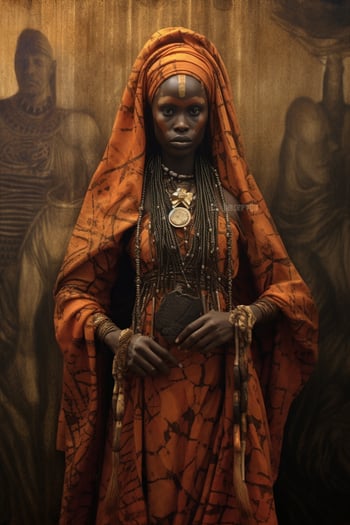
Description: The south-central nation of Karazalik (🔊 care-ah-ZAHL-ik) is populated by Humans, noted for their dark complexions and matriarchal society.
Overview: Coming Soon
| Copyright © 2021-2026 by Robyn Blaber and Will to Power Games. All rights reserved. Content on this website may not be reproduced without written permission of the copyright owner. |
