Tosenis
| General Information | |
|---|---|
| Capital | Korap |
| Culture | Misiq |
| Government | |
| Government Type | Tribal |
| Demographics | |
| Total Pop | 191,401 |
| Urban Pop | 30,401 |
| Rural Pop | 161,000 |
| Settlements | 1 |
| Geography & Economy | |
| Area | 10,424 sq. Gorom |
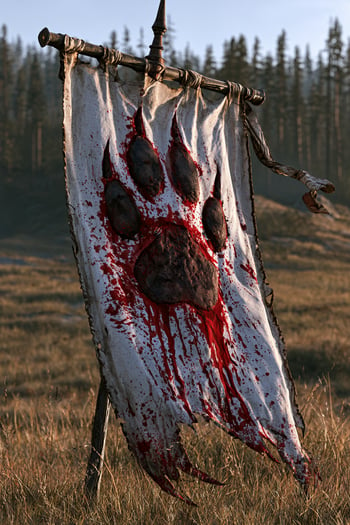
Tosenis is a nation that is not a nation. It is the historical hunting grounds of the Misiq, a people who never had designs on nationhood, only survival. The problem with this non-nation is that it sits entirely within the Republic of Batis, which has defined its borders since before the Great Erasure. How the Misiq could have gone unknown and literally drawn out of Batis maps before and soon after the Great Erasure remains a mystery.
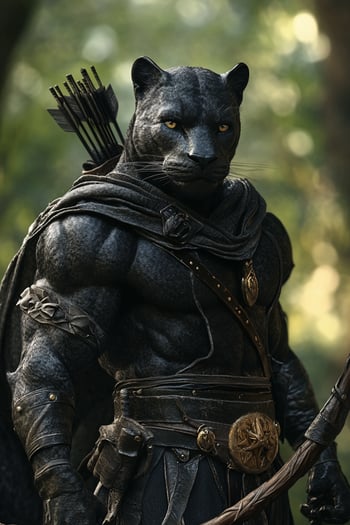
There are four varieties of the feline Misiq who inhabit these hunting grounds they have come to call Tosenis. This de facto nation is made up of two regions: the original province of Korap, home to the fortified Misiq capital of Korap. The second is the Un Province, which is land taken from the Batis in an effort to mitigate threats and expand Misiq lands. The settlement of Un was once a Batis village and a staging ground for a series of brutal attacks against the Misiq.
The ongoing struggle for survival is emblematic of their way of life. A noise in the bushes is not worth noticing for most, but can be life and death for the Misiq, who are under the unending fear of ambush. The result is a very militant society where no stone goes unturned in securing and fortifying a location. Though change is imminent in this regard, the Misiq rarely travel away from their tribes, as the danger is far too great. Few, if any, adventurers have ever returned. The idea of receiving succor from another nation is not in the Tosenis lexicon, because they have no understanding of other nations, only their own and that of Batis.
Population
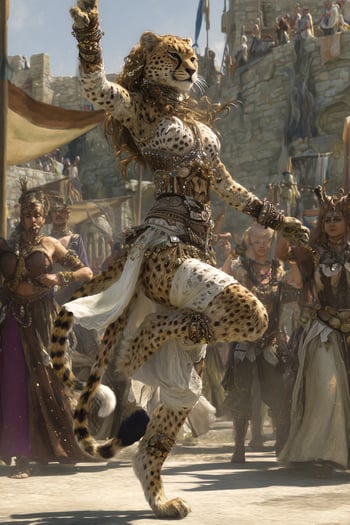
Less than 200,000 Misiq souls inhabit Otan. The pantherine Baris are the most common of the Misiq, making up about half of the population. This is followed by the leonine Aristan and the cheetah-like Sileysin at twenty percent each. These three strains tend to actively mix and share communities even down to work and leisure activities. The more solitary Jolbaris tend toward their tigrine instincts and will construct bivouacs outside of settlements to keep an eye on things, but also out of the way of the others.
Despite the unending war with the Batis, the Misiq have managed to keep a relatively high birth rate, which is part of the reason they continue to exist as a people in their perilous situation. This resilience ensures that their numbers remain steady even amidst constant skirmishes and the physical demands of their harsh environment.
A few uncounted Misiq also populate the northern climes of Karazalik. There are no reports of them having run afoul of the Karazalik people, but it is not known in Tosenis whether their other tribe is thriving or has been wiped out. The nation waits with bated breath to hear of their long-lost brothers and sisters.
Culture
From the time of the Great Erasure, the Misiq have been forced to adopt a culture of extreme mobility. Though they vie to establish permanent settlements in a permanent nation, they have become masters of the vanishing settlement. For their entire history, they have remained capable of tearing down and relocating entire communities at the first hint of ill fortune or approaching hostiles.
The Misiq have no gods. They exist in a unique spiritual void, having found no solace in the heavens during their darkest hours. They possess no divines, no temples, and no formal religion. Their cultural focus is entirely terrestrial and communal. They retain a primal preference for fresh game from the plains, such as deer, wild boar, and bison, over stored rations. Long-term exposure to metropolitan neighbors has led them to adopt the practice of seasoning their meat with spices, supplementing their diet with plant proteins, and occasionally indulging in Nipathum, a euphoric herb reminiscent of catnip, or palm wine during rare festivities.
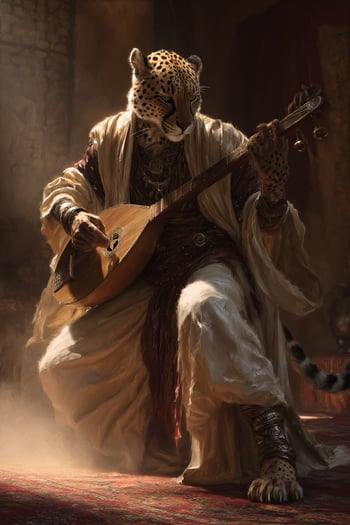
Despite their guarded nature, the Misiq possess a rich musical heritage and congregate whenever possible to share stories and ancestral songs. Misiq music and dance are not easy to understand by human sensibilities. Their dance has no meter or rhyme, remaining lithe, fluid, and suffused with unexpected twists. Misiq music relies on percussive staccato beats followed by long periods of silence, sudden crescendos, and extreme shifts in volume that few outside their strain could compose or tolerate for long.
These gatherings are the heart of their society, featuring traditional spectacles tailored to each substrain’s strengths. The Aristans hold contests of raw power, the Baris compete in trials of stealth, and the Syleysin race in displays of blinding speed through grueling annual triathlons of running, hunting, and hand-to-hand combat. The Jolbaris, however, maintain their reputation as the most reclusive of the strain. While they faithfully attend these festivities, they generally prefer not to compete or speak, remaining silent observers unless drawn into contests of raw strength where they are usually the victor.
Politics
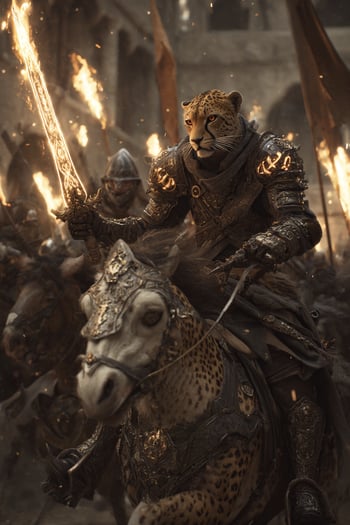
The politics of Tosenis has taken a turn from a desperate scramble for survival to one of defiance. The idea of Tosenis was just an idea for most of their existence, but in recent years, the Misiq were able to land enough victories in succession to end up with spoils. This in turn led to the creation of their first permanent settlement of Korap and a drastic new way of thinking. The Misiq survival instinct shifted from protecting the people to protecting the city, to protecting the idea of a land for the Misiq.
Ideas are difficult to defeat, and the nomads in eastern Batis have proved inadequate to the task of removing the Misiq from their lands. Further, this new idea of nationhood has had the Misiq pushing into new territory, having recently taken the town of Un in a bloody battle, the first major victory for the Misiq. Now they wait to see if Batis will respond with more of the same, or mobilize their entire nation for a large push. Meanwhile, the Misiq build defenses and openly discuss further expansion north to the sea.
The form of government could best be described as a military junta. Though it is a less likely occurrence lately, the resources of the nation can be entirely directed toward the military at a moment's notice. The recovery of Batis supplies from the Battle of Un has yielded a surplus of metals and other resources they had in scant supply, fostering a new crop of metalsmiths and tinkers within their fortified walls.
Economy
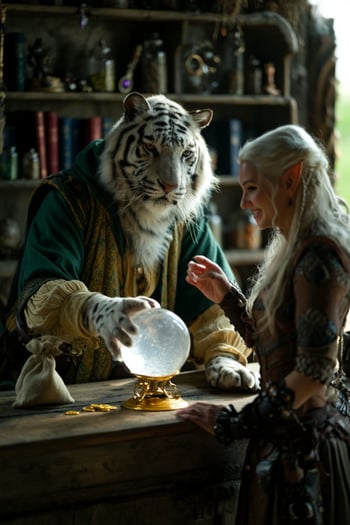
The Misiq economy is fundamentally a war economy, driven entirely by internal necessity rather than commercial trade. Their greatest and most persistent need is metal for forging armor and weapons to maintain their defensive edge against Batis incursions. Food security is maintained through hunting the ample game native to the southern Batis plains, while captured enemy grain stores are routinely ignored due to their strictly carnivorous dietary preferences.
Trade remains strictly localized, consisting of internal bartering between tribes and substrains. No external trade routes exist, nor do the Misiq seek them out. So insular is Tosenis society that many among them remain uncertain if any other civilized peoples exist on Otan beyond themselves and the hostile Batis.
Geography
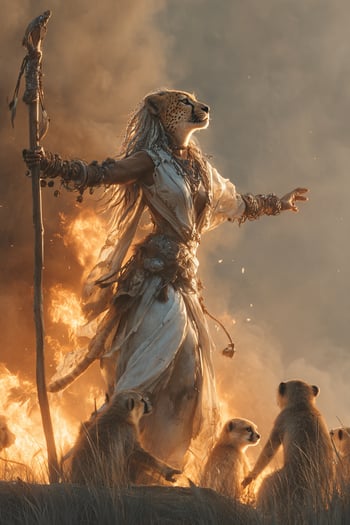
Tosenis stands as the smallest recognized nation on Otan, covering an oblong territory of just over 10,000 square Gorom. Surrounded almost entirely by the hostile Batis Republic, it maintains only a tiny stretch of border on its northeast frontier connecting to Soltustik. The Klithor River cuts through Tosenis before exiting abruptly into Batis territory, flowing onward toward the sea.
The physical landscape is a picturesque mosaic of lush pine forests and open grasslands. This lush environment offers abundant game and natural concealment for Misiq defensive strategies. Securing direct access to the sea remains a major strategic ambition, which would render this small territory truly idyllic were it not constantly overshadowed by the spectre of total war.
History
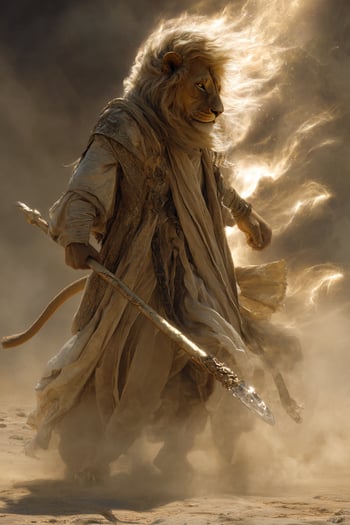
The Misiq awoke on the day after the Great Erasure as a people without a past, possessing no memory of their former plight or the events that led to their displacement. The world they entered was immediately hostile; however, the Batis began a ruthless campaign to eradicate them from the face of Otan shortly after their awakening. Sophists largely agree that this hunt was not a new conflict, but rather a continuation of a systematic genocide that had begun well before the Great Erasure, leaving the Misiq as a people hunted by an enemy they did not remember making.
In approximately the year 120 IM, the strain endured a profound internal schism. Driven by the exhaustion of constant flight, nearly a third of the Misiq population chose to leave Batis territory entirely, trekking toward the lands now known as Karazalik in search of a permanent home. The two factions have never communicated since that day, leaving the remaining Misiq with no knowledge of whether their kin found the refuge they sought or if they were swallowed by the wilderness.
In the past decade, the Misiq have experienced a resurgence in strength and martial capability. While they are not yet equipped to withstand the full concentrated might of the Batis army, they have proven themselves more than a match for any raiding parties sent to harass their borders. They have begun to mark their territory and prepare for the rise of a formal nation, to be called Tosenis. Despite this growth, their greatest strategic hurdle remains: they must find a way to assert their independence and formalize their nationhood without triggering a full-scale invasion that could destroy their people.
Subregions of Tosenis
Korap Province
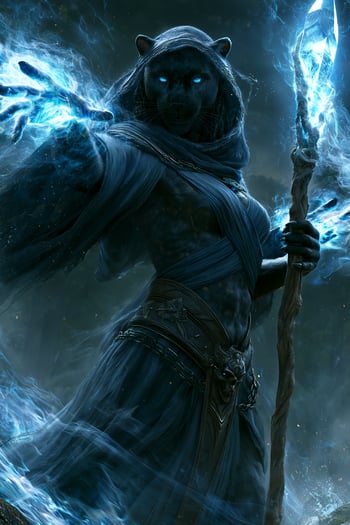
Capital: Korap
Population: 122,750
Area (sq. Gorom).: 6,828
Un Territory
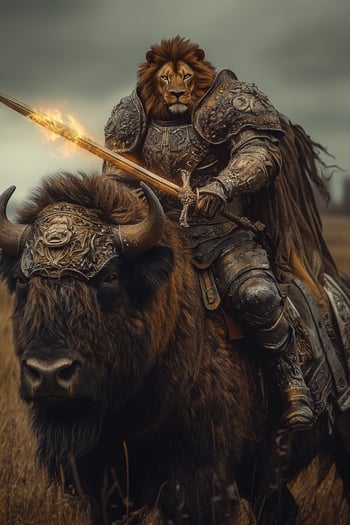
Capital: Un
Population: 68,651
Area (sq. Gorom).: 3,596
| Copyright © 2021-2026 by Robyn Blaber and Will to Power Games. All rights reserved. Content on this website may not be reproduced without written permission of the copyright owner. |
