Soltustik
| General Information | |
|---|---|
| Capital | Muz |
| Culture | Soltustiker |
| Government | |
| Government Type | Kingdom |
| Demographics | |
| Total Pop | 4,530,866 |
| Urban Pop | 278,787 |
| Rural Pop | 4,252,079 |
| Settlements | 26 |
| Geography & Economy | |
| Area | 104,956 sq. Gorom |
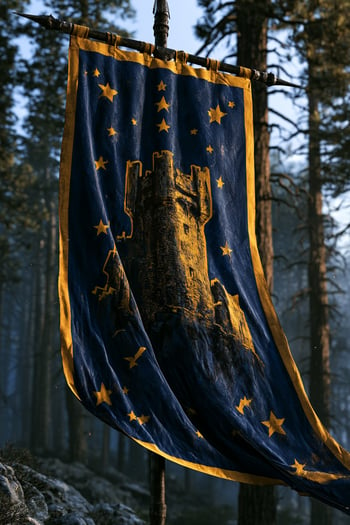
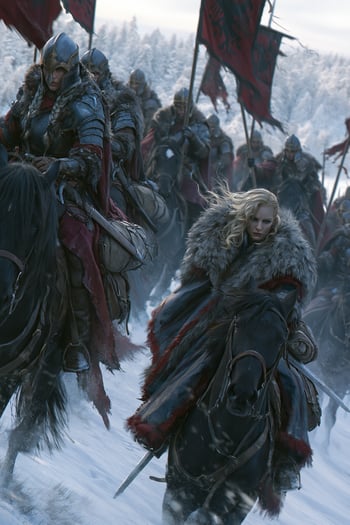
Nestled under the biting sky of Otan's extreme north, Soltustik stands as a rugged, fiercely traditional feudal nation. Forged by a harsh climate and even harsher history, the realm operates under a strict, unyielding social hierarchy where every lord, vassal, and serf knows their place in the grand chain of homage. This rigid order is not merely a political preference; it is a proven necessity for survival in a land where the winter cold reigns supreme and deadly threats loom perpetually over the horizon.
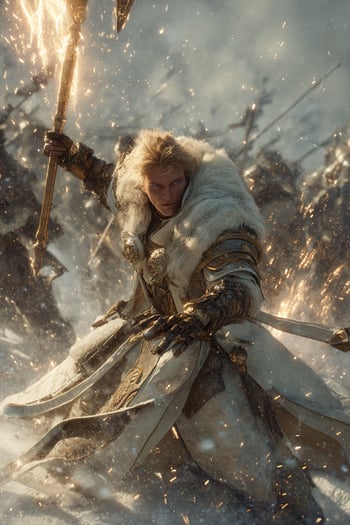
At the heart of the realm sits its absolute sovereign, Queen Kara Muz, a heroic figure whose lineage and tactical brilliance came to define the nation. It was under her steadfast guidance, and through the bitter, unyielding resolve of her people, that Soltustik stood as the unbreakable shield of the south during the devastating Grendel war. While other lands might have buckled under the bloodthirsty onslaught of the Grendel horde, the Soltustikers held their frozen strongholds, transforming their bleak landscape into a wall of iron and ice.
Today, Soltustik enjoys a hard-won, albeit tense, era of peace. The scars of the war remain etched deeply into both the landscape and the social fabric of the realm, but the nation stands triumphant. Held together by an obsessive religious devotion, an unquestioned feudal system, and a pragmatic division of labor, the kingdom endures as the ultimate bastion of northern grit.
Population
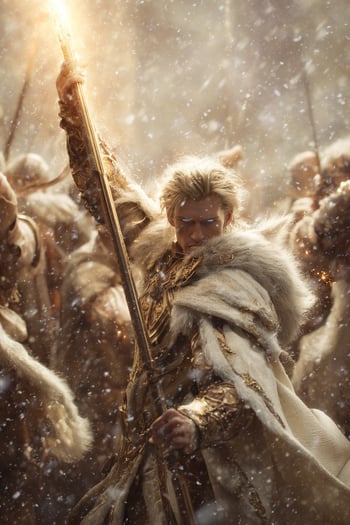
The Kingdom of Soltustik is home to roughly 4.2 million souls, a population that remains exceptionally homogeneous, with nearly 99% of its citizens identifying as true Soltustikers. Outsiders are a rare sight in these frost-dusted lands. The sparse non-native population consists almost entirely of hardy Kuulik traders navigating the land routes, occasional Batistikar religious converts who have embraced the harsh northern faith, and the rare, overly curious Ortalykshil who simply lacked the good sense to leave before the winter freeze set in.
Additionally, small, isolated communities of Wodaelfes are dotted strategically along key northern trade routes. These Aelfen enclaves exist primarily to promote and sell Aelfen goods while providing vital armed protection for traveling merchants navigating the rugged terrain.
Following the catastrophic loss of life suffered during the Grendel war, the population of Soltustik is currently experiencing a period of steady growth. The people are actively taking advantage of the prolonged peace to rebuild their families and repopulate their shires. Though the wounds of the past generation are still felt, the cradle of the north is filling once more with new generations raised on stories of sacrifice and survival.
Culture
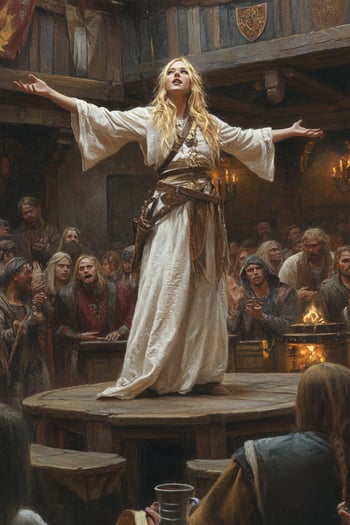
The spiritual life of the north is dominated by an unwavering, almost militant devotion to Wodenism. To a Soltustiker, there is no other pantheon worthy of acknowledgment, and Woden stands as the undisputed Primarch of all existence. This devotion permeates their daily speech to an obsessive degree; Soltustikers are known to invoke the name of Woden, or any of his nearly one thousand liturgical nicknames, in almost every other sentence.
Their faith is not one of quiet contemplation, but of boisterous, constant recognition of the divine will in the face of the howling northern winds. They openly embrace Tiw, the god of war and sacrifice, as sacrifice is one of the four pillars of Wodenism. In fact, the Wodenist clergy maintains a pious habit of sacrificing one eye, a gruesome homage that satisfies two gods at once.
This northern culture directly reflects the northern extremes in weather. Everything from traditional songs and poems to children's bedtime stories seems to possess an inherent duality, speaking of great bounty in one stanza and extreme scarcity in the next. Moving from joy to sadness, satiety to deprivation, peace to war and back again, these rhythmic shifts are the true hallmarks of Soltustik art.
When the heavy snows lock the land in ice, wintertime gatherings become centered around feasting. The Night of the Wild Hunt kicks off the Holy Week at the very end of the Otan Calendar. During this sacred festival, Soltustikers defiantly put the full bounty of their nation on display amidst a time of brutal cold and barren fields. To visitors traveling from the warmer south, Soltustikers appear to brave the freezing temperatures in the same effortless way a fish braves getting wet. The cold is not merely a hardship to be endured; it is their natural environment, and they have mastered the art of living in it and with it.
Politics
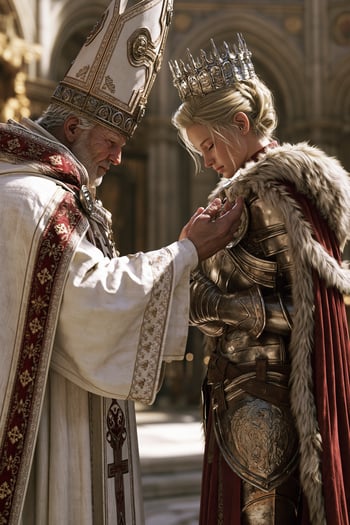
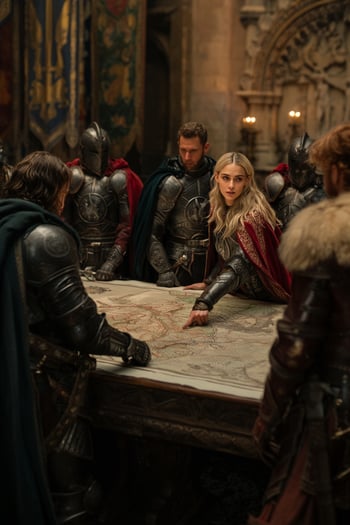
Politically, Soltustiker society is structured as a rigid, traditional feudal hierarchy. While the system tends heavily toward a patriarchal model on paper, the practical division of labor is split pragmatically between the sexes, a realistic balance that undoubtedly saved the nation from total annihilation during the previous war. This pragmatic governance is best exemplified by the current sovereign, Queen Kara Muz. A celebrated heroine of the Grendel war, she holds absolute authority as Queen of the realm, commanding the complete loyalty of her lords and subjects alike.
The kingdom is divided into distinct Baronies, governed by Barons or Baronesses who swear direct fealty to the Queen. These high nobles, in turn, oversee an extensive network of local Governors responsible for individual settlements and shires. This system ensures that every single citizen in the land, from the highest lord to the lowliest peasant, is bound tightly by a continuous chain of homage that reaches directly to the throne in Muz.
Internationally, Soltustik has remained largely inert in recent years, strictly adhering to present treaties and making no aggressive moves against neighboring borders. Rumors of a new race of upright cats emerging on their eastern border have captured the imagination of northern children, though the military strictly ignores such tales, refusing to treat rumors of cat-people as genuine threats.
Even the volatile Grendel border to the north, while heavily patrolled on the Soltustik side, sees surprisingly few patrols from the horde. This stillness has slowly lulled the nation into a subtle complacency, even leading to minor trade with the Grendel for select local goods.
While trade relations historically never existed with the subterranean Ungir due to their culture being viewed as far too foreign, Soltustikers have begun taking a more measured look at their digging neighbors. With an eye toward national development, some northern lords are actively looking to import Ungir labor, recognizing that the Ungir can dig and mine faster than anyone else on Otan.
Economy
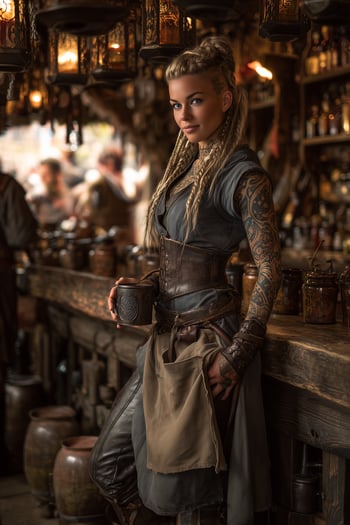
Due to its harsh climate, Soltustik lacks the ability to grow grains in the massive quantities required to sustain a populous feudal state. Consequently, the kingdom must import vast shipments of grain from the Republic of Batis after each autumn harvest. Because shipping lanes freeze solid for long stretches of the year, this crucial trade window cannot be missed under any circumstances.
In exchange for Batis grain, Soltustik produces a nearly unlimited supply of high-grade timber, which fills the returning Batis merchant vessels to the brim. The Soltustikers themselves possess very few trade ships, preferring to conduct their commerce overland, either directly across the border with Batis or through the winding paths of Aelfwode.
Beneath its pine-covered surface, Soltustik yields rich veins of metals and precious gems from its extensive mining operations. The nation trades raw metals, refined metalwork, gems, and fine jewelry with neighboring states depending on regional demand. The Kuulik Trade Company frequently facilitates these valuable transactions, as the Kuulik are still widely trusted for having maintained strict neutrality throughout the Grendel War.
As a byproduct of its massive lumber industry, Soltustik has also become a premier producer of fine paper. This smooth, high-quality parchment is highly sought after across the continent, eagerly purchased by professionals ranging from scholarly Sophists to expert Cartographers.
Geography
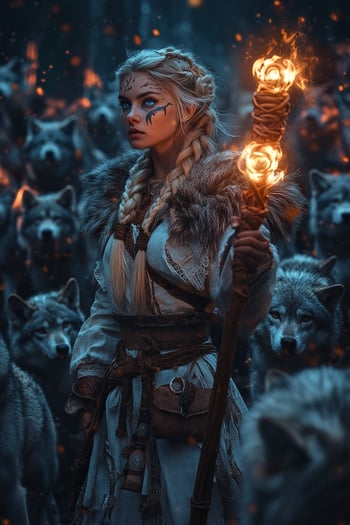
Soltustik is a mid-sized state spanning approximately 105,000 square Gorom. On its northwestern border lies the mystical, ice-shrouded nation of Shuwalu, while the Republic of Batis sits directly to the west. The southern border is dominated by the dense canopy of Aelfwode, along with a small eastern border shared with Maerland, a region that was historically the source of much northern grief. Soltustik's northern boundaries are defined by the icy sea, which remains frozen over and passable on foot or by sled for roughly five months out of the year. The regional climate ranges from cool temperate in the south to punishing sub-arctic along its northernmost peninsula.
The vast majority of the country is blanketed by dense pine forests, with only small pockets of arable grasslands existing in the far south. The remainder of their southern territory consists of rugged hills and steep mountains. These mountain ranges run adjacent to the Neutral Territory and are considered largely impassable to foot traffic, traversable only by air.
Administratively, the nation is divided into six distinct regions. The heart of the kingdom is the Barony of Muz, which houses the capital city of Muz under the direct rule of Queen Kara Muz. Four other vassal shires, Ayaz, Bursak, Jel, and Kar, make up the mainland territories. The sixth region is the isolated northern island of Boran, which during the deep winter freeze becomes easily accessible from the mainland by sledge, foot, or any sure-footed draft animal.
History
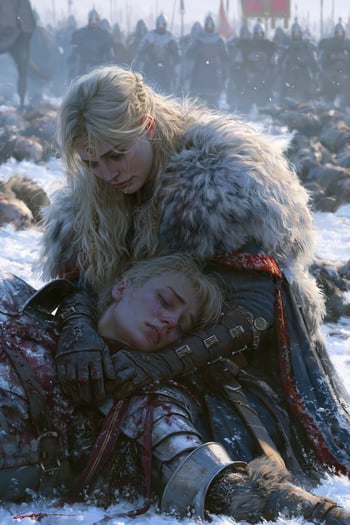
When the Soltustikers first woke from the foggy void of the Great Erasure, their innate identity as a feudal society was immediately obvious. While minor mix-ups regarding exact lineages certainly occurred in those chaotic early days, it was clear to all who was meant to be king and who was meant to be vassal. Everything from the layout of their early housing to personal grooming and attire clearly signaled a person's standing in the social hierarchy. Though the feudal system brought its share of administrative complications, it provided an intuitive, highly structured framework that allowed the northern people to quickly settle and organize their land.
As the early Soltustikers began reaching out beyond their borders, brave explorers navigated through Aelfwode and eventually made contact with the Ontustikers living further south. In them, the Soltustikers believed they had found true kindred folk who shared their core belief in Woden. However, it did not take long for religious friction to emerge. The northerners quickly discovered that the Ontustiker worship of Woden lacked the fervor and militant enthusiasm of the Soltustiker way; Wodenist priests in Ortalyk certainly did not pluck out their own eyes in pursuit of divine wisdom. This led many Soltustikers to openly question if the southern Ortalykshilar took religion seriously at all.
Despite this religious schism, the two human nations were abruptly forced into a desperate alliance when the Grendel horde rose up in a bid to claim human territory. The bloodthirsty Grendel marched straight into Soltustik with devastating effect, and would have undoubtedly overrun the kingdom entirely had the Ortalykshilar not opened a crucial second front on Maerland's eastern coast. This strategic relief gave the battered Soltustikers the vital time needed to fortify their strongholds and negotiate the unexpected assistance of the Wodaelfes, bringing an end to the brutal conflict.
One of the most enigmatic chapters of the war occurred when the reigning monarch, King Patrizi Muz, suddenly abdicated the throne. He departed his post without ceremony, warning, or explanation, telling no one, not even his sister, why he was walking away. The heavy burden of the crown fell immediately to his sister, Kara Muz. Demonstrating incredible resolve, Queen Kara was instrumental in securing the alliance with the Wodaelfes, guiding her people through the bloody conclusion of the war, and ultimately standing as one of the key signatories on the historic Concord of Kala Astanals. Today, the Grendel and the Soltustikers maintain an uneasy, vigilant peace along their shared border.
Subregions of Soltustik
Ayaz Shire
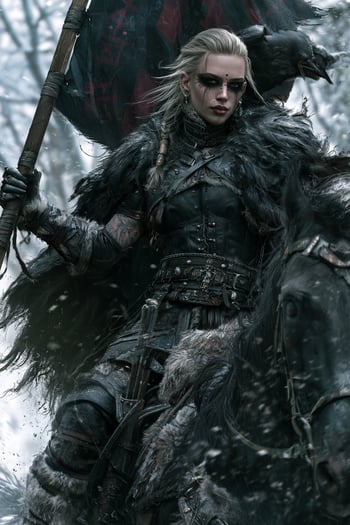
Capital: Ayaz
Population: 1,341,575
Area (sq. Gorom).: 22,988
Boran Island
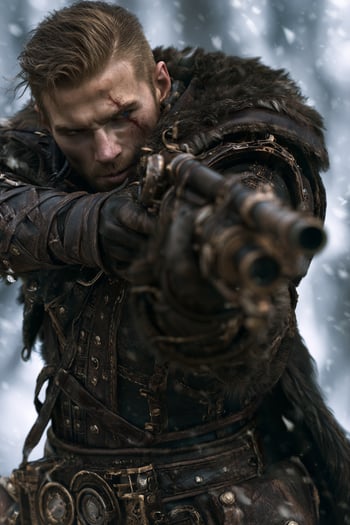
Capital: Boran
Population: 20,895
Area (sq. Gorom).: 340
Bursak Shire
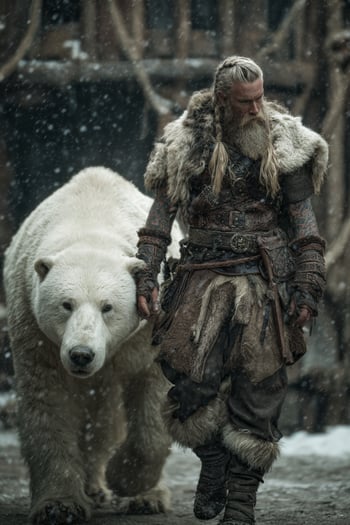
Capital: Bursak
Population: 701,126
Area (sq. Gorom).: 19,244
Jel Shire
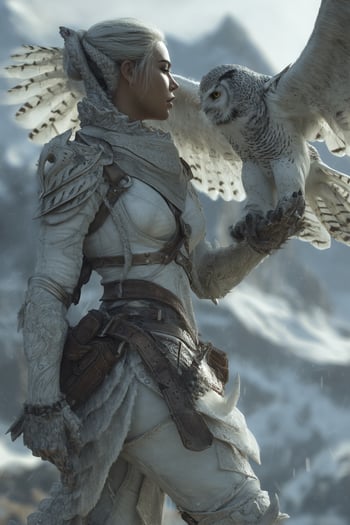
Capital: Jel
Population: 482,514
Area (sq. Gorom).: 18,408
Kar Shire
Capital: Kar
Population: 558,384
Area (sq. Gorom).: 22,064
Barony of Muz
Capital: Muz
Population: 1,422,513
Area (sq. Gorom).: 21,632
| Copyright © 2021-2026 by Robyn Blaber and Will to Power Games. All rights reserved. Content on this website may not be reproduced without written permission of the copyright owner. |
