Corruption
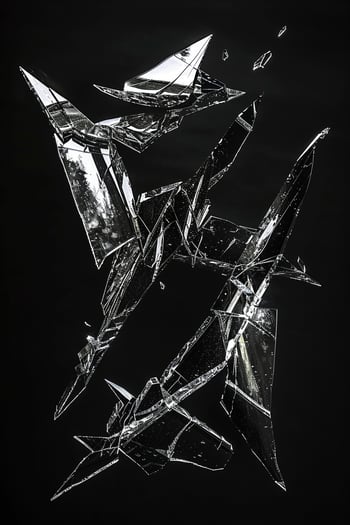
Corruption Damage is a form of spiritual damage that attacks the integrity of the Spirit. Unlike Abrogation, which is generally an external assault upon the spirit, Corruption usually develops from within. A person may knowingly commit a great evil, make use of forbidden power, or repeatedly surrender some part of themselves until the damage becomes part of who they are.
Corruption does not necessarily destroy the Spirit immediately. Instead, it compromises it. Each act, choice, or exposure that deepens the corruption can make the Spirit less whole and less capable of resisting further corruption. The danger is that corruption may become self-reinforcing: once the Spirit has been compromised, the next step toward corruption becomes easier to take.
Corruption Sources

Corruption Damage can arise from choices made by the victim as well as from external supernatural forces. Cursed objects and forbidden powers may carry a spiritual taint that spreads to those who use them, while curses and spiritual attacks can introduce corruption directly. Even without an external supernatural source, knowingly committing an evil act can damage the integrity of the Spirit.
Examples include:
- Curses
- Using cursed items
- Invoking forbidden powers
- Spells carrying the taint of corruption
- Committing an evil act
- Spiritual traps
- Special spiritual attacks from spirit creatures
- Prolonged exposure to spiritually corrupting forces
Corruption Saving Throws

Empathy is the best defense against Corruption Damage. Empathy allows a person to recognize the spiritual consequences of their actions and understand the value of other lives and the suffering their choices may cause. Corruption often begins when that recognition is suppressed or discarded.
The classic dilemma is the trolley problem: a decision maker must choose whether to kill a single person to save five others. There may be no comfortable answer, but Empathy forces the decision maker to recognize that the person on the track is a person, rather than merely an inconvenient number in an equation.
Prescience can provide another defense by allowing a person to perceive the possible consequences of a choice before making it. Will then provides the strength to reject the corrupting choice when the person understands what it may cost them spiritually.
Corruption Mitigation

Corruption Damage can be actively mitigated by preventing further corruption and repairing damage that has already been done. Counter-magic, spiritual wards, and protective effects can shield the Spirit from corrupting influences, while Remove Curse spells and curative potions may help cleanse corruption imposed by supernatural sources.
The most important form of mitigation, however, may be behavioral. Avoiding cursed objects, forbidden powers, and acts that lead toward corruption prevents the damage from deepening. Once corruption has begun, rejecting the source of that corruption is often as important as treating its effects.
Other forms of mitigation include:
- Counter-magic
- Spiritual wards
- Circles of protection
- Spirit protections
- Remove Curse spells
- Curative potions
- Cleansing or restorative spiritual magic
- Destroying or abandoning cursed items
- Avoiding forbidden powers
- Refusing acts that lead to further corruption
Corruption Related Conditions

Depletion of the Soul occurs when Corruption Damage has compromised the Spirit to the point that some spiritual powers can no longer be accessed safely or effectively. The victim may find themselves unable to use certain powers or perform certain spells because the Spirit no longer possesses sufficient integrity to channel them.
In its most extreme form, the corruption can result in Shattering of the Soul. The Spirit loses its remaining integrity and breaks apart completely. Unlike ordinary physical injury, this is not something the body can simply recover from. The Shattering of the Soul results in death.
| Copyright © 2021-2026 by Robyn Blaber and Will to Power Games. All rights reserved. Content on this website may not be reproduced without written permission of the copyright owner. |
