Araldar
| General Information | |
|---|---|
| Capital | Jagalik |
| Culture | Araldikar |
| Government | |
| Government Type | Union |
| Demographics | |
| Total Pop | 5,754,613 |
| Urban Pop | 397,269 |
| Rural Pop | 5,357,344 |
| Settlements | 45 |
| Geography & Economy | |
| Area | 100,768 sq. Gorom |
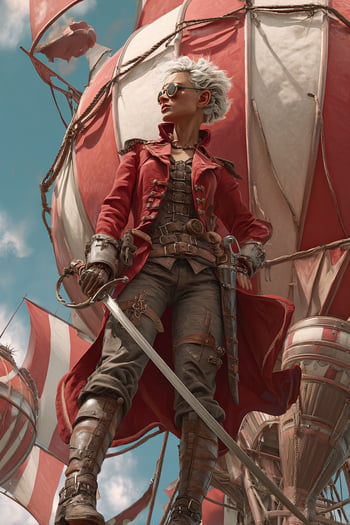
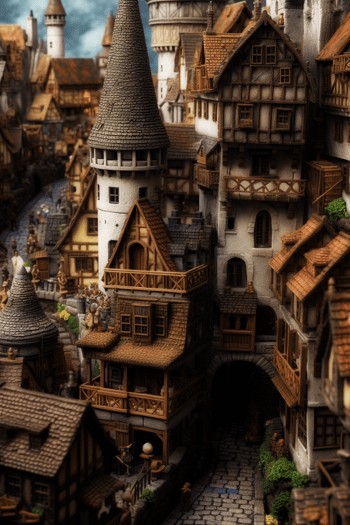
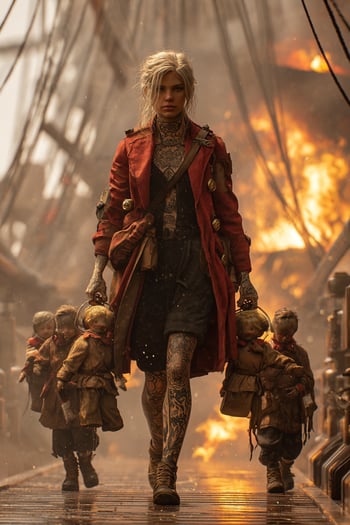
The west coast of Otan is capped with the Araldar archipelago, known more commonly as the Araldar Coast. The main island, Jagalik Island, is home to its premier city and port of Jagalik, with a total of 10 other islands making up the rest of Araldar's territory. These islands are populated by the Araldikar, a unique human substrain bound together by a shared maritime fashion sense, a highly distinct accent, and an unbreakable bond with the open sea.
Because of its unique location, Araldar formed a highly distinctive government: a naval stratocracy. To an outside observer, this might resemble a military junta or dictatorship, but it operates as a deeply militarized meritocracy. Leaders are subject to stern reviews, rigid quotas, and operational metrics that must be continuously maintained to hold leadership positions. Ambition is channeled strictly through service; there are no shortcuts to power here.
The Araldar Navy appoints governors to the various subregions of the nation, which they call Baronies. Each Barony, from the bustling shipyards of Jagalik to the outer reaches of Bezkat, Kit, and Segizayak, is required to produce men, timber, and materiel for the navy. This constant pipeline of resources keeps the islands safe and, more importantly, keeps trade afloat, both literally and figuratively.
With the West Coast of Otan being largely dominated by the anarchic Free States, these waters are generally considered highly unsafe for unescorted merchant travel. The Araldar Navy’s constant presence acts as the single stabilizing force in an otherwise lawless expanse of ocean, ensuring that goods from distant ports can safely reach their destinations.
Population
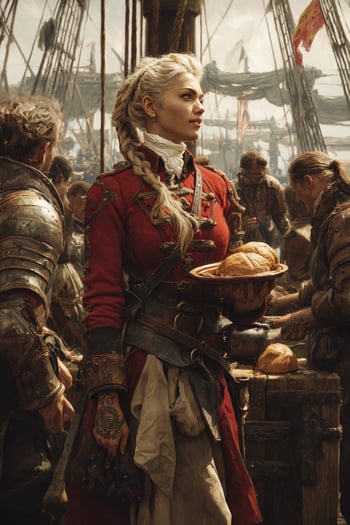
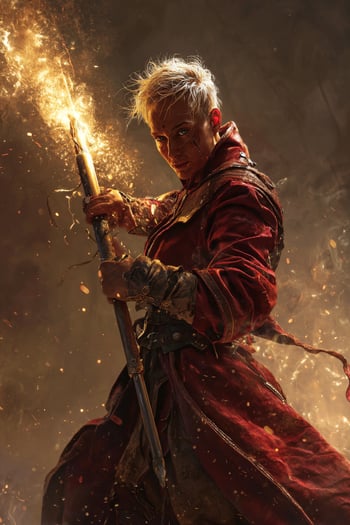
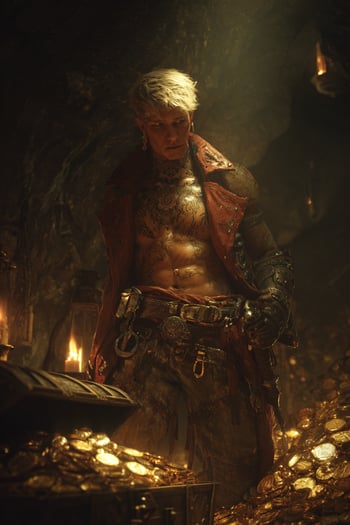
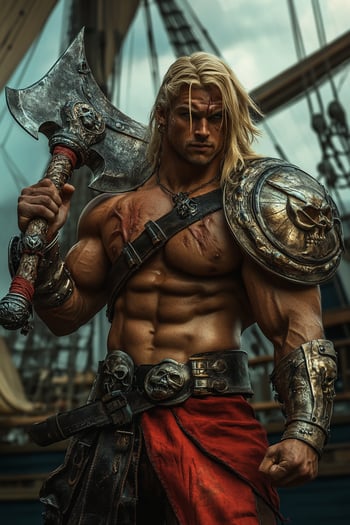
The Araldar population, numbering a whopping 5,754,613 souls, is littered with the diaspora of nearly every other nation. A typical Araldikar, if left in the shelter of land, has bronze skin, black hair, and brown eyes. Their most visible folk, however, undergo a stark physical transformation in the charged atmosphere of Otan's open waters. The constant sun exposure and windburn they experience at sea turn their hair from deep black to a weathered brown, and finally all the way to a striking platinum blonde.
Adventurous folks from the rest of Otan tend to travel west. Those who find the Free States too chaotic and dangerous often continue their journey westward to seek the comparative stability of Araldar life, whether that means securing a berth aboard a privateer or working in a shipyard week in and week out. It is a rare haven of pragmatic tolerance; if you ever see an Aelf and a Grendel living peacefully side-by-side, you are almost certainly in Araldar.
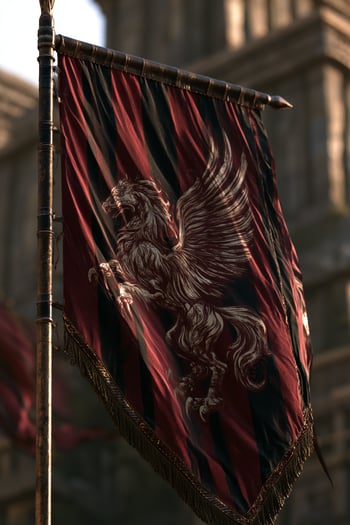
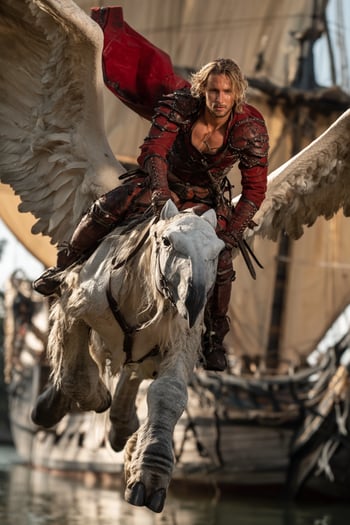
Transportation across the archipelago relies on practical beasts, but the Araldikar also boast more exotic options. For heavy hauling and standard travel across the larger islands, they rely on sturdy draft horses, warhorses, and pack mules. However, to bridge the gap between islands and scout the dangerous waters of the Free States, the Araldikar train and utilize majestic Hippogryphs as flying mounts, giving their naval scouts a crucial eye in the sky.
Culture
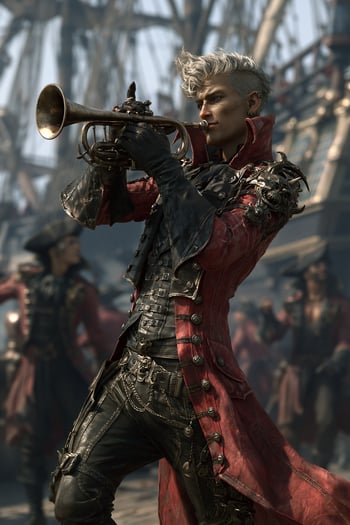
Araldar culture is a collage of various cultures with two competing themes: the constant drudgery of shipboard life and the unending leisure of island life. As an entertainer, one must know their audience. The first cultural touchstone is the Araldikar Creole language. It is a true mishmash of several languages from Aelfen to Grendel, with an Otani substrate. Anyone of any culture will pick up a few words, though it takes time in Araldar, or powerful magic, to truly understand it. Magic that translates the words literally gets one very little. "You stay, wait, the thing. Have you horseflesh?" This sentence, heard through a magical translator, would be more properly translated as "One moment please, are you OK?"
Araldikars spend a lot of time at sea, and their maritime culture affects every last sailor. Living in close quarters with very different folks involves a lot of compromise and the need for skills that are appreciated ship-wide. It is good to be funny, barring that, a good singer, barring that, a good cook, and on down the list of skills that could deflect some animosity. People who don't find their talent at sea are at risk of finding themselves overboard... at night, while tied and gagged.
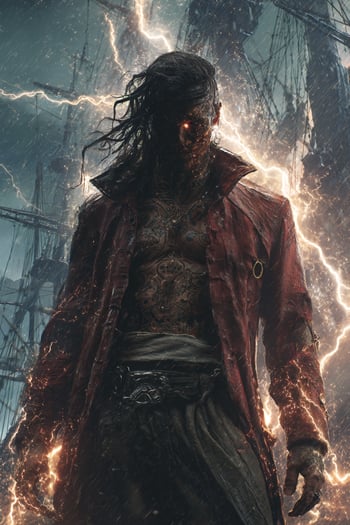
The spiritual life of the Araldar is governed by Mujitism, a faith as fluid and powerful as the tides. Mujitism is a collection of nautical legends where heroes frequently cross the threshold between the human and the oceanic, engaging with or even transforming into the great creatures of the deep. Centered around the worship of the primary deity Muj, this religion instills a profound moral code centered on a deep-seated respect for the sea.
Cultural events of note are often centered around regattas, where the largest ships of the fleet compete against all comers to travel from Bezkat to Jagalik. This race starts very early in the morning and concludes in the late evening, with the winners usually arriving mid-afternoon. This all-day event has people "waiting" with the occasional announcement as to how their favorite ships are doing. Concurrently, the people feast, partake in games, perform musical numbers, dance, gamble, and carry on in festive spirit.
Politics
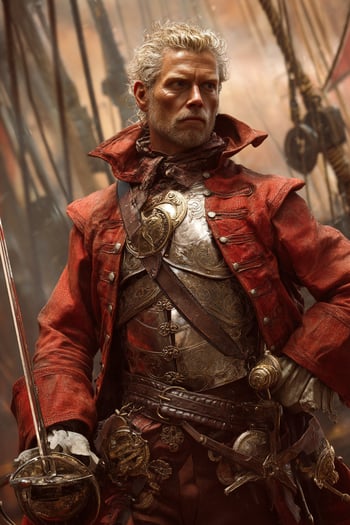
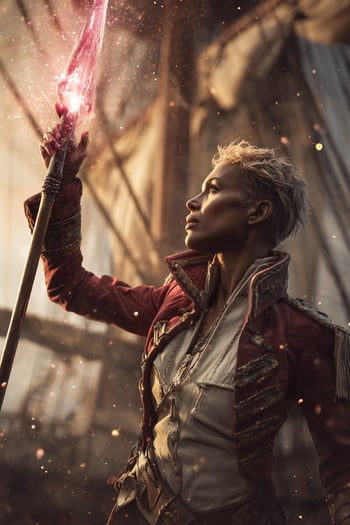
When Araldar first coalesced as a nation after the Great Erasure, they awoke to find they had ships and a reason to keep them busy. It was not long before threats from the sea came to their waters. In concentrating their efforts to support the navy, they naturally grew into a naval stratocracy as a survival mechanism rather than any group's grand plan. Save for the very first leaders, anyone in Araldar with a political career starts as an Able Seaman and works their way up through the ranks, ensuring every leader from the Grand Admiral on down has swabbed a deck and mended a sail.
When quick decisions are needed, the military hierarchy prevails, with the highest-ranked person available making the call. For long-term decisions, leaders will bring in subordinates and possibly even civilians for consultations before embarking upon any grand plans. Bad decisions made without consultation can lead directly to court-martials, public disgrace, and the immediate end of careers.
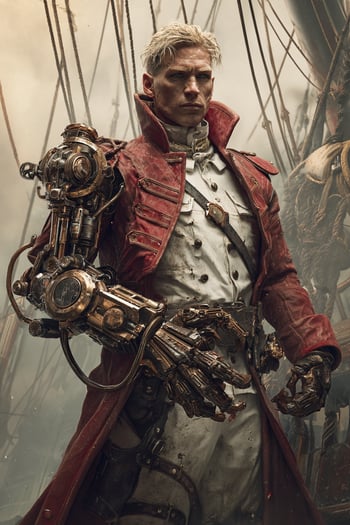
The stratocracy tends to favor Knights in leadership positions, for the simple reason that they are well suited to commanding naval engagements. This is not always the case, however, and some famous Araldar Captains have been Wizards, Divines, Brutes, and there was even a Warlock. The ground-based political leaders, such as the Baronial governors, have no imperative martial skillset, as they can simply fill their cabinets with other people. Governors might even be great land-born leaders without an Archetype.
Economy
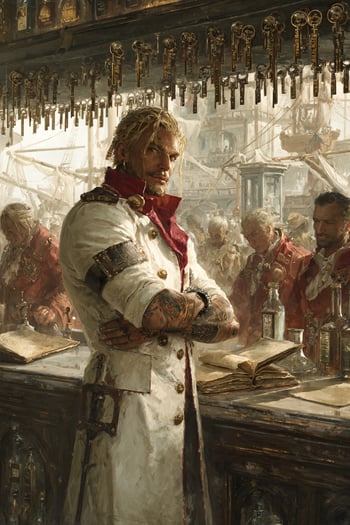
Shipbuilding is the cornerstone of the Araldar economy. Araldar ports are in a constant, roaring bustle to construct ships for the Araldar Navy and licensed privateers. While selling watercraft directly to foreign navies is strictly forbidden, these transactions frequently occur through less-than-honest backchannels. Regardless, the shipbuilding industry is heavily fueled by the domestic lumber industry, both of which rely on agriculture and animal husbandry. Fallen trees do not walk out of the forest, so teams of mighty draft horses keep the economy flowing, one giant log at a time.
Araldar produces enough wood for its immediate needs, but they also regularly import lumber and stockpile it for future military expansion. They are net importers of metals and quarried stone, which are essential for cladding their massive war galleons and reinforcing their coastal fortresses. Other luxury imports like soaps, exotic scents, and foreign spices arrive regularly to supply the wealthy merchant classes of Jagalik.
In addition to watercraft, Araldar is a massive exporter of high-quality cooking oil. Their local deciduous trees produce copious amounts of high-quality oils. With countless culinary and industrial uses, these oils fetch top prices in distant port markets as far away as Kala Astanals.
Geography
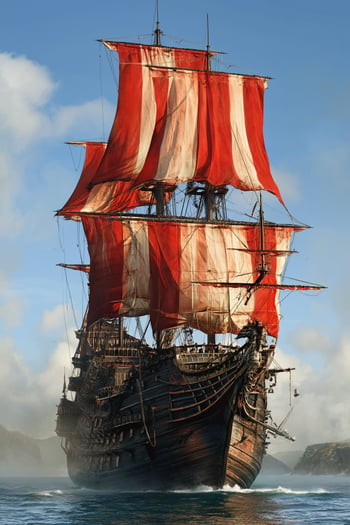
The Araldar archipelago is a collection of 8 primary islands (within a broader territory of 11 islands total). The central and largest island, Jagalik Island, is home to the nation's capital, principal port, and massive shipbuilding facility. Two smaller islands, the Botagoz Islands, sit off the northern coast of the Free States. Once under Aelfgarad's control, they now provide the Araldar Navy with a critical observation point and forward base for dealing with pirates from the Free States, as well as keeping a watchful eye on the movements of Aelfgarad.
Another vital outpost is Kyzgaldak Island, which lies off the southern coast of Kiskentay. This territory serves as a highly fortified forward base for dealings with the Dweorges, Ontustikers, and other factions who take to the western seas. The main islands are mostly covered by dense, lush deciduous forests, producing the hard, resilient timbers necessary for shipbuilding, alongside a few mineral-rich hills on Jagalik Island.
History
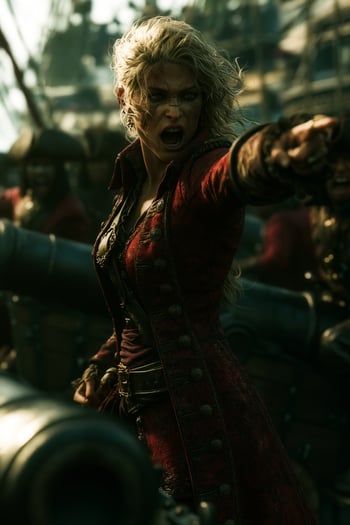
The Araldar are of the collective philosophy that they don't seem to care about their history before the Great Erasure. They awoke from the cataclysm as a fully formed naval power, and they have single-mindedly supported their navy ever since. It took all but a few years for them to exert absolute dominance on every island near them. They failed, at first, to secure the Botagoz Islands, which still retained ancient Aelfen structures and a lingering Aelf population.
The Araldar believed that these Aelfes were actively providing information, safe harbor, and succor to pirates in the area, specifically to spite Araldar's expansionist desires. In the year 135 AM, the assembled Araldar Navy, loaded to the brim with ground troops, assaulted the two islands and forcefully took them from the Aelfes, creating a bitter geopolitical rift between the two nations that exists to this day.
The Sweardaelfes are somewhat more circumspect about the Araldar occupation of Kyzgaldak Island. This annexation took place in 37 IM, early in their modern history, when the Sweardaelfes did not yet possess a formal navy. Sweardaelfes have since built competent military and merchant navies of their own, though they remain no match for the massive, heavy-gunned Araldar warships. Conveniently, the Araldar missed out on the Grendel War entirely. Most of the action took place on the opposite side of the world, a logistical impossibility for the Araldar fleet, and a conflict in which they did not give the Grendel much hope of prevailing anyway.
Subregions of Araldar
Aidyn Barony
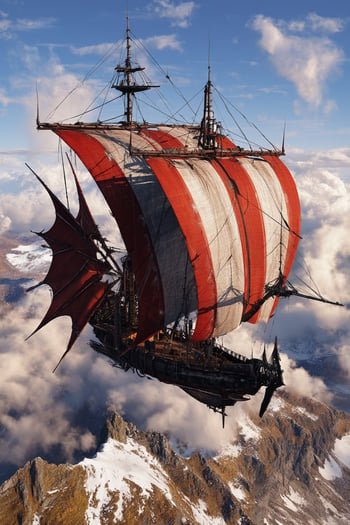
Capital: Aidyn
Population: 233,555
Area (sq. Gorom).: 4,276
Alua Barony
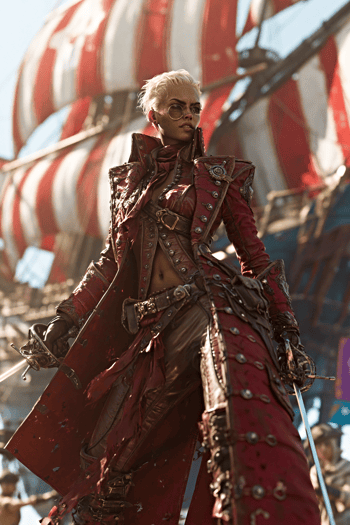
Capital: Alua
Population: 100,643
Area (sq. Gorom).: 1,928
Balik Barony
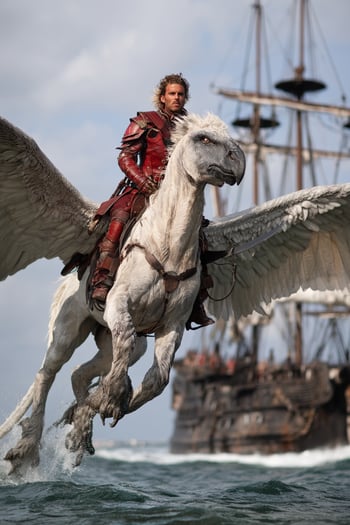
Capital: Aubakir
Population: 158,822
Area (sq. Gorom).: 2,544
Bezkat Barony
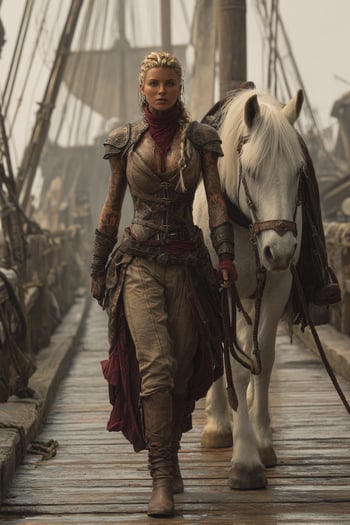
Capital: Bezkat
Population: 181,472
Area (sq. Gorom).: 3,516
Botagoz Islands
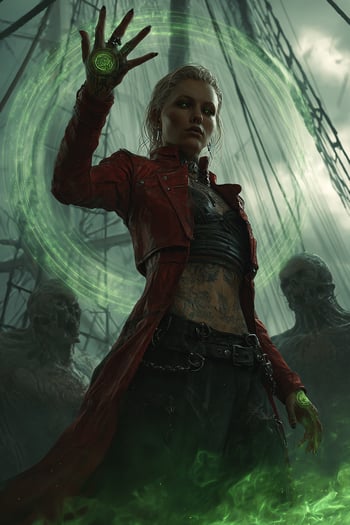
Capital: Unknown
Population: 8,817
Area (sq. Gorom).: 160
Galym Barony
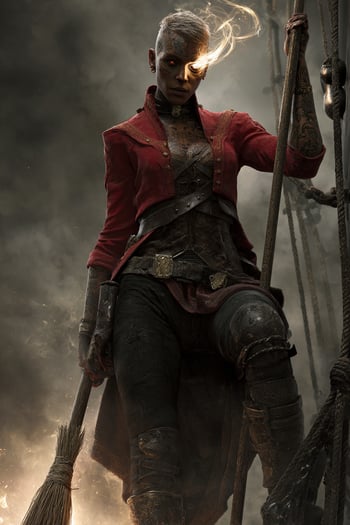
Capital: Galym
Population: 411,994
Area (sq. Gorom).: 7,528
Injy Barony
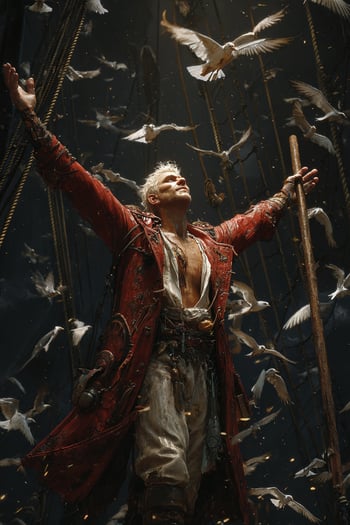
Capital: Aysha
Population: 134,499
Area (sq. Gorom).: 1,972
Jagalik Barony
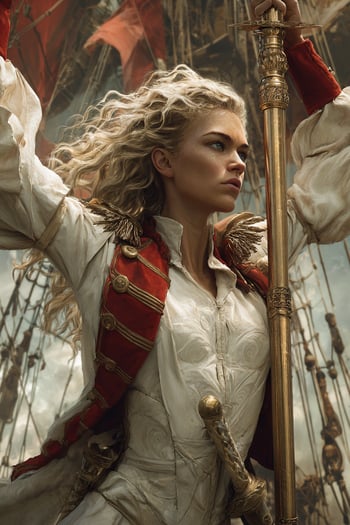
Capital: Jagalik
Population: 147,692
Area (sq. Gorom).: 1,748
Kabirsak Barony
Capital: Ospan
Population: 1,413,664
Area (sq. Gorom).: 25,384
Kit Barony
Capital: Sharip
Population: 407,813
Area (sq. Gorom).: 6,676
Kyzgaldak Island
Capital: Kyzgaldak
Population: 61,199
Area (sq. Gorom).: 1,080
Segizayak Barony
Capital: Raushan
Population: 380,829
Area (sq. Gorom).: 6,848
Teniz Barony
Capital: Abubakir
Population: 390,333
Area (sq. Gorom).: 6,900
Tolganay Barony
Capital: Tolganay
Population: 897,191
Area (sq. Gorom).: 15,340
Tolkindar Barony
Capital: Galym
Population: 382,979
Area (sq. Gorom).: 6,468
Wistrika Barony
Capital: Anarbek
Population: 57,679
Area (sq. Gorom).: 636
Zhumagul Barony
Capital: Zhumagul
Population: 385,433
Area (sq. Gorom).: 7,764
| Copyright © 2021-2026 by Robyn Blaber and Will to Power Games. All rights reserved. Content on this website may not be reproduced without written permission of the copyright owner. |
