Bard
| Power of | Artistry |
|---|---|
| Bard Schools | Academy of Dance, School of Drama, School of Music |
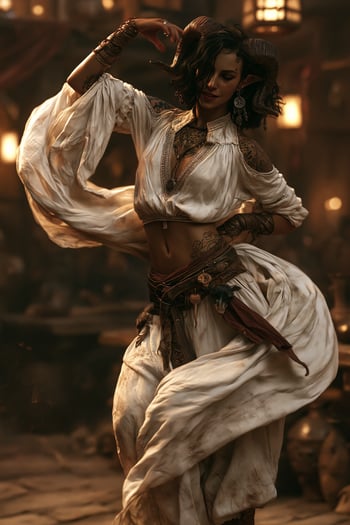
Bards are the quintessential masters of the soul, turning rhythm, melody, and narrative into a palpable, sweeping force that can sway the hearts and minds of kings and commoners alike. Through song, dance, and theatrical performance, they tap into a specialized aspect of magic learned from the bardic schools, reshaping the emotional and rhetorical reality of their surroundings.
Where a Wizard uses complex boards to alter the fabric of the universe, a Bard uses the universal language of performance to dissolve boundaries, capture empathy, and manipulate social dynamics. Beneath this exterior of vibrant celebration lies a capacity for deadly martial precision.
Because an accomplished Bard can achieve immense fame, they regularly secure access to highly restrictive social circles and important political figures. This unparalleled access makes them exceptional assassins, capable of moving past heavily guarded thresholds under the guise of entertainment, only to strike when their target is most vulnerable. Their performance itself can become a weapon, cloaking lethal intent in a hypnotic display.
Within an adventuring party or political delegation, the Bard is uniquely equipped to solve the social and rhetorical goals of the group. When steel fails and conventional magic is too loud, a Bard can untangle complex diplomatic deadlocks, extract critical secrets through charm, or de-escalate hostile standoffs. They navigate the unspoken currents of society, ensuring that their allies find open doors where others encounter stone walls.
The Bard in Society
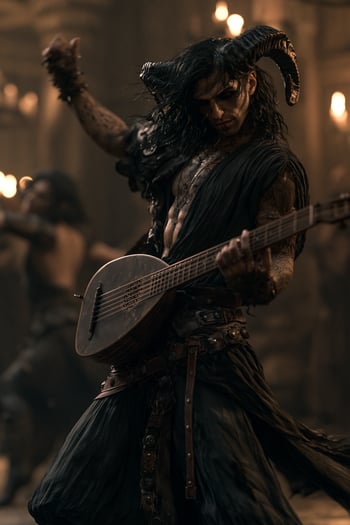
In the diverse landscapes of Otan, Bards are widely celebrated and universally welcomed, though this adoration carries an exhausting price. Society expects them to constantly be "on", demanding an endless stream of charisma, wit, and performance regardless of their personal exhaustion or private grief. To the public, a Bard is not merely a person but an avatar of joy and escapism, and failing to meet this expectation can quickly sour their reputation.
Despite this pressure, a masterfully executed performance possesses the profound ability to shatter entrenched social barriers. In the middle of a grand performance, the rigid hierarchies dividing high-born monarchs from the working class temporarily dissolve. A single song or dance can unite historical rivals in shared emotion, creating brief windows of vulnerability that savvy Bards can exploit for political, monetary, or strategic gain.
Bard Schools
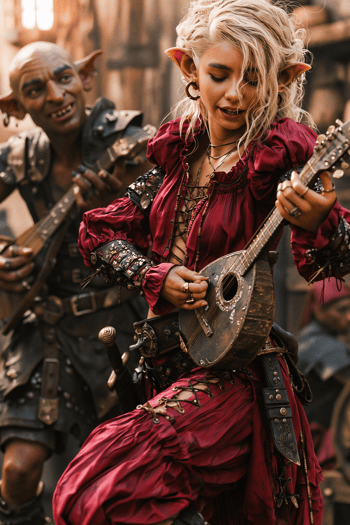
The formal training of a Bard is divided into three distinct disciplines, each elevating a different medium of performance into an expression of archetypal power:
The Academy of Dance: Centralized within the mirrored halls of Otan’s major capital cities, this school treats physical movement as a universal language and rhetorical force. Students of all Strains study how their unique physical traits and gravity preferences alter the flow of power, learning to weave seduction around monarchs or deploy terrifying, blade-spinning martial displays.
The School of Music: This discipline focuses on the manipulation of raw sound, pitch, and resonance. Musically inclined Bards learn to scribe notes upon papyrus to capture the emotional intent of their magic, projecting melodies that can bolster the resolve of an army or shatter the mental fortitude of an adversary.
The School of Drama: Focused entirely on narrative, presence, and spoken rhetoric, this school trains Bards to master the art of storytelling and identity. Dramatists excel at assuming entirely new personas, weaving convincing lies, and using theatrical pacing to command the focus of an entire room or political chamber.
Bard Powers
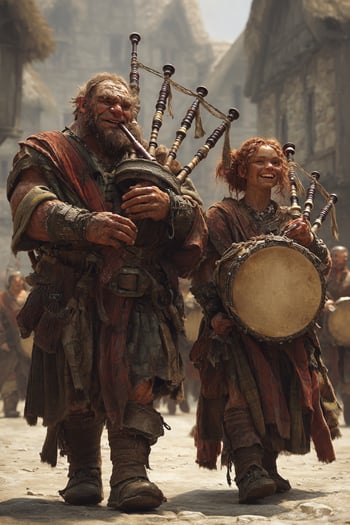
The powers of a Bard manifest through the conscious application of rhythm and narrative intent. By channeling their Bardic Powers, they can project hypnotic auric fields that cloud judgment, manipulate memories, or forcefully project emotions onto an audience. These abilities are not loud or elemental like a Wizard's fire, but are instead deeply insidious, catching targets completely unaware as the ambient air conforms to the Bard's desires.
When directed toward violence, these powers seamlessly merge with physical movement or sound to become lethal forces. Through advanced techniques taught in the academies, a Bard can synchronize their heartbeat and strikes to the rhythm of a performance, bypassing armor with sonic vibrations or transforming simple props and concealment blades into absolute blurs of steel.
Crafting
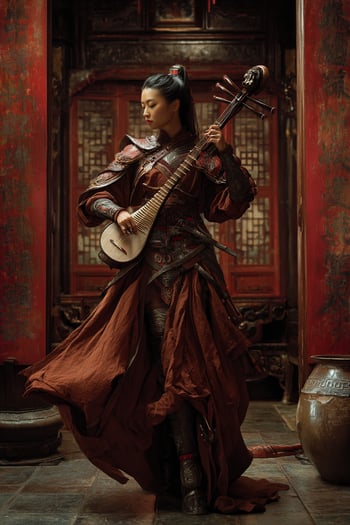
A Bard's instrument is far more than a tool; it is the physical focus through which their internal power is articulated. While many Bards are fully capable of crafting their own standard instruments from fine woods and metals, the true marvels of their trade arise from industrial manufacturing or intense, cross-archetype collaboration.
By partnering with other specialized minds, a Bard can elevate their performance to legendary status. They frequently collaborate with Witches to imbue instruments with spiritual or emotional hexes, work alongside Tinkers to create intricate mechanical resonators that amplify acoustics, or seek out Wizards to engrave aetherial runes onto their strings or frames. These masterwork instruments allow a Bard to channel their powers with drastically reduced strain and heightened potency.
The Bard and Power
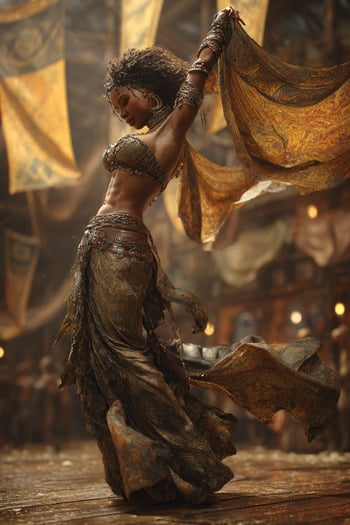
The intense emotional output required by Bardic magic necessitates a structured approach to rest and rejuvenation. When resting within the familiar comfort of their personal studios or homes, a Bard can completely recharge their internal reservoirs of power after a single dedicated day of isolation. These private spaces act as spiritual sanctuaries where they can realign their mind without the pressure of an audience.
On the road, maintaining full power is significantly more challenging, forcing Bards to rely on active performance to prevent their reserves from stagnating. They can achieve minor recharges while traveling by practicing scales, running through choreographies, or engaging in collaborative jamming sessions with fellow travelers and local musicians. For a Bard, expression is life; isolation on the frontier is a slow draining of their art.
Bard Factions
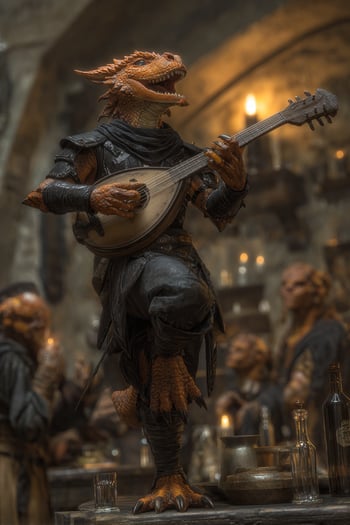
The organization of Bards across Otan split cleanly along geographical and occupational lines:
Wandering Troupes: In the countryside and frontier settlements, Bards form nomadic troops of troubadours. Traveling from village to village, they perform at seasonal festivals, break the artistic drought of rural areas, and collect coin from commoners who rarely see the grand halls of the capitals.
Urban Political Factions: In massive metropolitan centers, Bards abandon the nomadic lifestyle to embed themselves deep within sovereign governments and political networks. This is particularly true for those who study within the School of Drama, as their mastery over rhetoric, identity, and social manipulation makes them perfect fits for high-ranking diplomatic and administrative positions.
| Copyright © 2021-2026 by Robyn Blaber and Will to Power Games. All rights reserved. Content on this website may not be reproduced without written permission of the copyright owner. |
