Kuulik Peninsula
| General Information | |
|---|---|
| Capital | Narik |
| Culture | Kuulik |
| Government | |
| Government Type | Corporation |
| Demographics | |
| Total Pop | 693,220 |
| Urban Pop | 108,645 |
| Rural Pop | 584,575 |
| Settlements | 8 |
| Geography & Economy | |
| Area | 13,024 sq. Gorom |
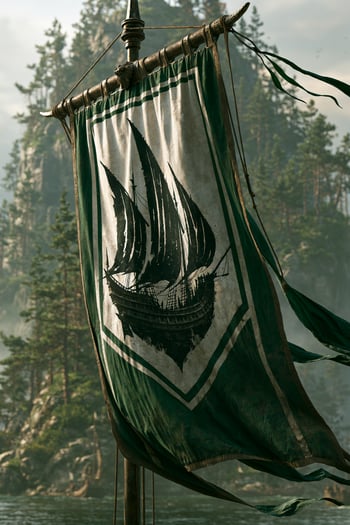
The Kuulik Peninsula is easily the most unique of the nations of Otan. This tiny peninsula juts into the cold northeastern waters off the coast of Maercland, serving as the ancestral refuge for a strain that chose commerce over conflict. While the physical region is known as the Kuulik Peninsula, the nation itself is officially designated as the Kuulik Trade Company, or KTC. The entire country operates as a singular global corporation where every citizen, unless they explicitly declare themselves a private entity, is legally viewed as an employee.
With a population of fewer than a million living on the peninsula, nearly half of all Kuulik do not actually reside there. Instead, they operate as the company's global vanguard, managing the KTC's expansive trade interests across Otan. The Kuulik historically lacked both the massive numbers and the physical might to survive prolonged warfare with the other great strains. Through historical necessity, they determined in their pre-history that falling afoul of rival nations was disastrous for the long-term survival of their strain.
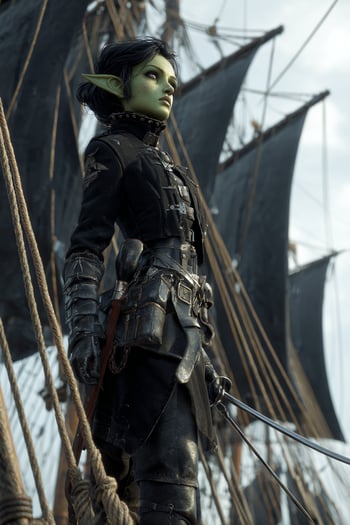
After retreating to their isolated peninsula, a rugged, cold territory that was desired by absolutely no one, the Kuulik bounced back. Rather than rebuilding their military, they adapted their biological and intellectual gifts toward global trade, creating a commercial shield that made them indispensable to the very empires that might have otherwise crushed them. To maintain this corporate state, the three distinct substrains of the Kuulik fit seamlessly into specialized company roles. The candle-burning Sawdagers possess an unparalleled cognitive architecture for mercantilism, excelling at forecasting trends and structuring complex, creative deals. The adventure-loving Tenizi crew and finance the massive, black-sailed merchant fleets that serve as the trademark of the KTC.
The Uris, who live for the physical thrill of the fray, understand that their low numbers prevent them from waging conventional wars, yet they possess an innate talent for martial violence. They function as the KTC's enforcement arm; when foreign ministers attempt to swindle the company, the Uris ensure those individuals meet with sudden, highly convincing "accidents" that quickly inspire a change of heart in their successors. Because of this carefully balanced ecosystem, the KTC is widely regarded as a net boon in nearly every sovereign nation where they hang their corporate banner, bringing prosperity, rare goods, and stabilizing supply lines wherever they go.
Population
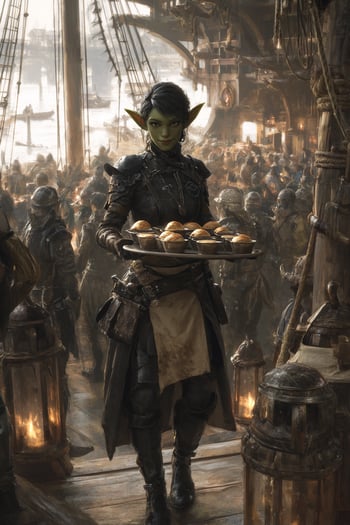
The domestic population of the Kuulik Peninsula is roughly 700 thousand citizens, split between 100 thousand urban dwellers and 600 thousand rural workers. This homeland demographic is largely composed of the highly analytical Sawdagers and the defensive Uris, with only a small contingent of Tenizi remaining to manage domestic harbor logistics. Beyond the peninsula's borders, another 600 to 700 thousand Kuulik live abroad. These expatriate employees are constantly on the move, crewing the black-sailed merchant vessels or managing KTC facilities, ranging from sprawling deep-water shipping posts and massive regional warehouses to tiny, remote retail stores on foreign soil.
The three distinct populations work in perfect harmony to preserve the peninsula and expand the company's wealth. The Sawdagers represent the absolute apex of commercial evolution within the human strain, possessing a mental framework uniquely hardwired to navigate the labyrinthine nuances of international finance. The Tenizi serve as the high-stakes, hyper-focused logistical spine of the KTC, where an individual's personal honor and corporate standing are measured solely by shipping efficiency and punctuality. For a Tenizi, "On Time" is not merely a performance metric; it is a sacred, inviolable vow. The Uris, by contrast, possess a rugged, rough-and-tumble nature; as children, they compete to see who can strike themselves the hardest on the head with a stick, a behavior that adult mentors gradually channel into military discipline, tactical fencing, and defensive spellcraft to protect KTC assets worldwide.
Culture
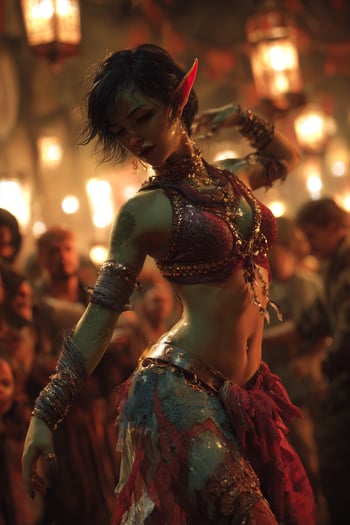
To an outside observer, Kuulik culture appears to be entirely synonymous with corporate culture. Every citizen speaks passionately about the trajectory of the company, and professional climbing is a national pastime. Beneath this polished, professional exterior, however, lies a rich and eclectic synthesis of three distinct cultural lineages that come together in spectacular fashion during national holidays. During these festivals, the air is filled with the rich aromas of their shared culinary heritage.
Feast tables are laden with standard fare like large round flatbreads, spiced noodles, savory rice, and local seafood seasoned with fiery small red peppers. For special occasions, they serve Qazi, a traditional horse meat sausage served over rice and topped with chopped onions, while children enjoy sweet Balupesh candy. These hearty meals are washed down with sweet rice wine, refreshing Ayran, a chilled beverage of fermented goat's milk, water, salt, and fresh mint, or the intensely potent raisin-distilled spirit known as Aragh Sagi.
The intellectual Sawdagers produce the majority of the nation’s Sophists and playwrights, giving rise to a highly respected literary tradition. As the most literate of the substrains, their scribes produce the continent's most beloved plays and stories. While these works frequently feature mercantile themes, some manage to explore deep philosophical concepts beyond simple profit margins. The absolute pinnacle of their theatrical tradition is The Merchant of Jagalik, a sweeping national epic written by the famed bard Akkad Salusi, which is performed annually to packed theaters across the peninsula.
The Tenizi and Uris contribute their own unique elements to these communal celebrations. The Tenizi bring intellectually demanding games of world knowledge to the festivals, hosting grand contests that test the participants’ mastery of global geography, political sophistry, and current international events. They also champion physically demanding sports that require supreme balance and dexterity, such as swimming, climbing, and mock-combat on narrow wooden beams suspended over water. The Uris elevate these events with the raw spectacle of martial combat. They host grand gladiatorial showcases, often infusing their duels with a worldly, Tenizi flair by demonstrating exotic fighting styles gathered from every corner of Otan.
Politics
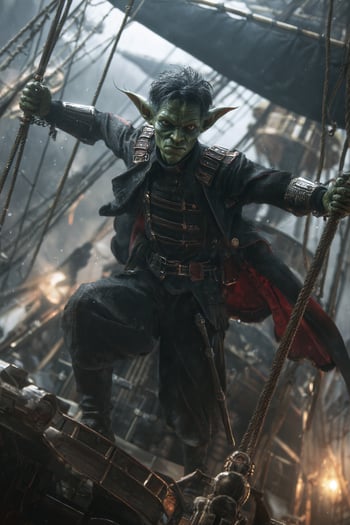
The Kuulik Trade Company is, by every metric, a true corporate meritocracy, though it is not without the classic flaws of any massive bureaucracy. Because the company allocates no budget for investigating internal administrative mistakes, praise and blame are often falsely distributed. The true anxieties of Kuulik life do not stem from the fear of foreign armies, but rather from the quiet, cutthroat arena of corporate politics. Promising careers are routinely derailed by ambitious ladder-climbers, and nepotism frequently blocks the advancement of highly deserving candidates. Even the boldest Kuulik who strike out to establish private, independent subsidiaries can find themselves suddenly cut off from the KTC supply chain if a mid-level corporate executive deems their operation redundant.
When expanding into new territories, the political process is highly systematic. The corporation is typically contacted by pioneering outsiders who alert them to the founding of a new settlement. In response, the KTC dispatches entry-level junior merchants to evaluate the territory's commercial viability. The first orders secured by these green merchants are almost always basic building materials. Depending on local developments, these initial trades can either spark explosive economic growth or fizzle out into absolute stagnation. A young merchant assigned to a stagnant post will find their upward mobility permanently stalled, demonstrating how thin the line between corporate success and professional exile truly is.
For high-profile orders, such as those commissioned by sovereign monarchs during times of war, the KTC’s executive board steps in directly. Executive officers conduct formal diplomatic visits with the ruling regents to outline exactly what the company can and cannot deliver. The board must walk a razor-thin line; siding too closely with any single empire risks elevating the KTC from a neutral trade partner to an active, military belligerent. Over the last 220 years, the executive leadership has navigated these political minefields with brilliant caution, even steering their massive shipping network safely through the Grendel War with no major losses beyond a few late or seized cargo shipments.
Economy
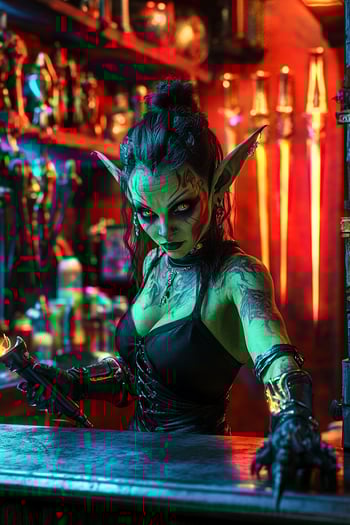
The Kuulik Peninsula and the KTC run on an economic model that is entirely unique on Otan, operating as massive net importers of raw goods while exporting virtually no domestic resources of their own. Their entire financial engine is built upon the acquisition, rapid transport, and international distribution of foreign trade goods. The citizenry survives and thrives on the arbitrage profits of this global trade, which are occasionally paid out in physical goods but are far more commonly settled in coin. This relentless flow of commerce has made the KTC’s economy the absolute largest and most liquid on the continent, with only the gold-laden Tsardom of Ortalyk rivaling their financial dominance.
While brilliant trade negotiations are vital, the true foundation of this economic empire is their legendary logistics. The Tenizi's near-obsessive psychological drive to meet shipping schedules has made their black-sailed merchant fleet the most reliable and trusted transportation network in the world. They have earned an ironclad reputation for punctuality that no other nation can match. Barring a continental cataclysm larger than the Grendel War, the KTC's economic trajectory remains locked on a path of unchecked growth, solidifying Kuulik financial influence over every major market on Otan.
Geography
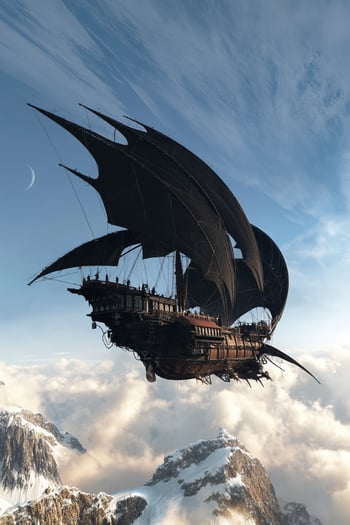
Spanning barely 650 thousand square Gorom in total area, the Kuulik Peninsula is the smallest sovereign territory on Otan, and its rugged landscape is envied by no one. The northern reaches of the peninsula are dominated by dense pine forests, which transition into deciduous woodlands in the south. These forests have been heavily harvested over the centuries to build and maintain the KTC's massive merchant fleet.
Four strategic islands lie just off the southern coast of the peninsula, overlooking the northern shores of Ortalyk. Each island has been extensively developed for specialized commercial functions, most notably the island of Jetkizuu, which serves as the KTC's primary deep-water trading depot and warehousing hub to supply the wealthy, luxury-hungry markets of Ortalyk.
Beyond their home peninsula, the KTC maintains massive, permanent corporate sovereign quarters inside the capital cities of Otan's major empires. These massive trade hubs are deeply integrated into local economies, with the most prominent locations operating in the Ortalyk capital of Kala Astanals, the subterranean Dweorgen capital of Diamond City, and the bustling coastal metropolis of Jagalik, the crown jewel of the Union of Araldar.
History
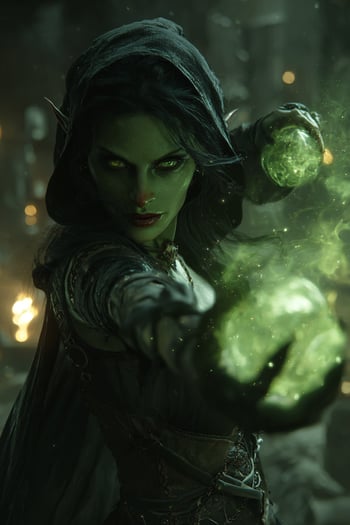
When the Kuulik first awoke from the Great Erasure, they faced a daunting reality. They quickly discovered that they possessed the smallest territory on Otan with the fewest numbers, inheriting little more than a cold peninsula, a few massive ship hulls, and several warehouses filled with rat-infested grain. Through careful study of their surroundings, they deduced that their pre-Erasure ancestors had suffered from centuries of intense marginalization and persecution. Their diminutive physical stature had made them easy targets on the ancient battlefield, forcing their dwindling ancestors to retreat to a barren, indefensible peninsula that even the marauding Grendel did not care to occupy.
Without any direct memory of their past, these early survivors quickly realized they possessed an innate understanding of trade, logistics, and navigation. Scattered Kuulik merchants operating in distant lands like Araldar and Ortalyk awoke to find themselves physically and culturally distinct from the populations around them. While some of these isolated merchants paid for this difference with their lives, many quickly pieced together their shared heritage, using their ancestral skills to re-establish vital trade connections with the home peninsula.
By the year 41 IM, the Kuulik realized that their ancestral home was not merely a country but a vital refuge. They understood that their various independent merchant guilds were, in truth, a single, world-spanning brotherhood, and that their three distinct substrains were biologically designed to support this grand enterprise. Rather than drafting a traditional constitution or crowning a feudal monarch, the Kuulik did something entirely unprecedented: they drafted the Kuulik Articles of Incorporation. This historic document established the Kuulik Trade Company, legally defining their nation as a global corporation and setting Otan on a path of commercial revolution that continues to this day.
Subregions of Kuulik Peninsula
Jetkizuu Island
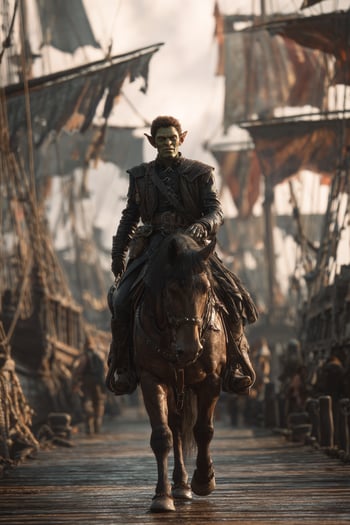
Capital: Jetkizuu
Population: 19,577
Area (sq. Gorom).: 184
Kelisim Canton
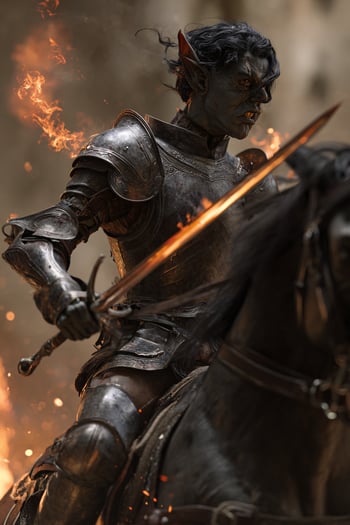
Capital: Sart
Population: 172,694
Area (sq. Gorom).: 2,888
Sawda Canton
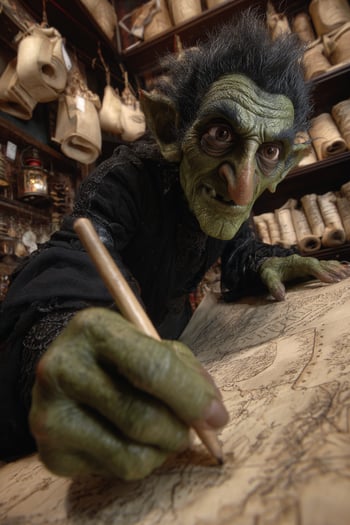
Capital: Narik
Population: 457,537
Area (sq. Gorom).: 8,592
Usinis Islands
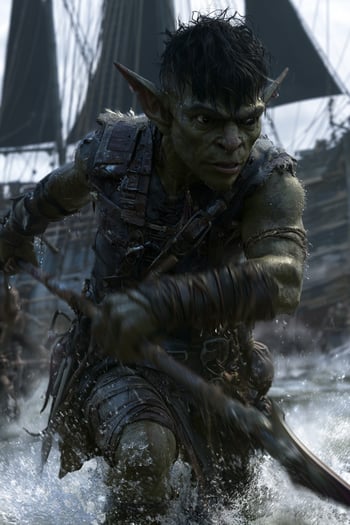
Capital: Kepil
Population: 43,412
Area (sq. Gorom).: 1,360
| Copyright © 2021-2026 by Robyn Blaber and Will to Power Games. All rights reserved. Content on this website may not be reproduced without written permission of the copyright owner. |
