Altinqor
| General Information | |
|---|---|
| Capital | Kazinasi |
| Culture | Aydahar |
| Government | |
| Government Type | Confederation |
| Demographics | |
| Total Pop | 5,161,498 |
| Urban Pop | 339,349 |
| Rural Pop | 4,822,149 |
| Settlements | 30 |
| Geography & Economy | |
| Area | 105,764 sq. Gorom |
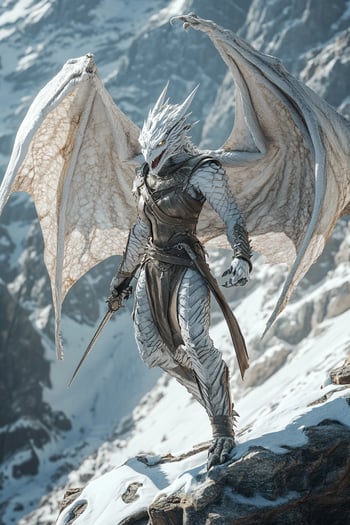
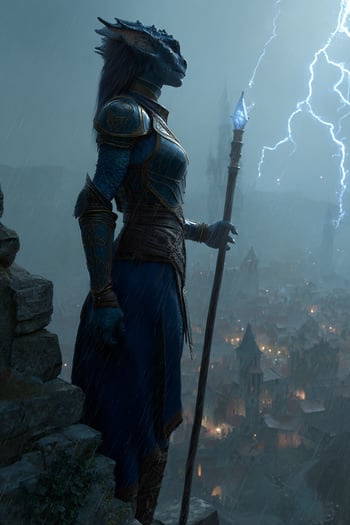
At first glance, the nation of Altinqor is the most foreign of all the nations of Otan. Its most numerous residents, the Aydahar, look more like reptiles than people. They are all human, however, even baseline Human, but they bear a bloodborne virus known as "dragon seed" that transforms their offspring. An infected person is not changed in the slightest, but their children will be born as Aydahar.
There are six primary varieties of Aydahar, each directly related to six of the twelve varieties of Dragon. Their progenitors live and make their homes primarily in the six regions of Altinqor, each populated and governed by their people. It is not known if the Dragons themselves take any direct part in the governance of the nation, but Sophists from other nations have observed subtle patterns in regional governance that strongly suggest their influence.
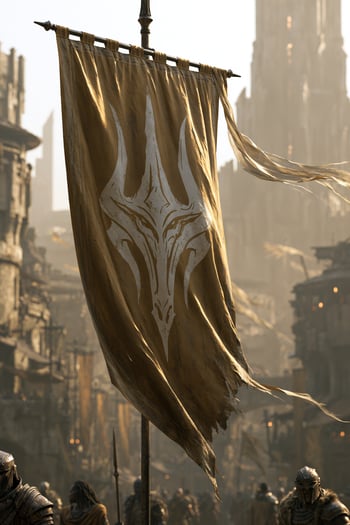
Aydahar society and government are built upon an immense respect for age. The ruling body, the Elder Council of the Six Dragons, is made up of the Eldest of the six Altinqor regions and is headed by the Eldest among them. The Eldest of the Six, or simply The Eldest, serves as the de facto king of Altinqor.
Population

The third most populous nation in Otan, Altinqor is home to over 5 million draconic souls. The total population of 5,161,498 Aydahar is distributed across six distinct lineages:
- The Aq Aydahar (782,782 population), high mountain dwellers descended from Ice Dragons.
- The Koke Aydahar (324,232 population), who inhabit the hills and trace their lineage to Lightning Dragons.
- The Kizil Aydahar (693,018 population), a city-dwelling folk with Fire Dragon progenitors.
- The Jazil Aydahar (464,092 population), an aquatic folk with Water Dragon genetics.
- The Kara Aydahar (632,311 population), who prefer the underground and stem from Rock Dragon stock.
- The Altin Aydahar (248,585 population), the aristocratic strain descended from Metal Dragons.
Beyond these main groups, smaller regional strains exist within the confederation, such as the Kumis Aydahar (706,208), Mis Aydahar (700,099), Kola Aydahar (517,696), and Jez Aydahar (92,476).
While young Aydahar are born in Altinqor in the typical fashion, there is also a steady influx of migrants from abroad. Baseline humans infected by "dragon seed" who mate in foreign lands produce Aydahar children. These children are often shunned by their local communities due to uneducated fears of contagion, driving them to journey to Altinqor where their draconic heritage is welcomed.
Culture
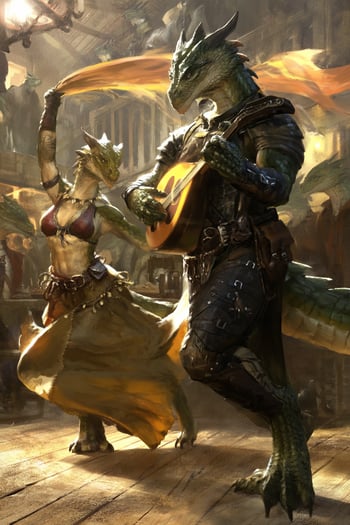
Aydahar culture is steeped in profound deference and respect: for elders, for nature, and for Dragons in general. Youth often spend one or more years in personal service to an actual dragon. These young attendants tend livestock herds to feed their dragon ward, clean cavernous dens, organize and guard hoards, and retrieve items the giant beasts struggle to handle themselves. Dedicated assistants might be fortunate enough to help during the dragon's molting process. This sought-after duty can grant immense wealth from the resale of shed scales, which are prized for armor crafting, alchemy, and weapon smithing.
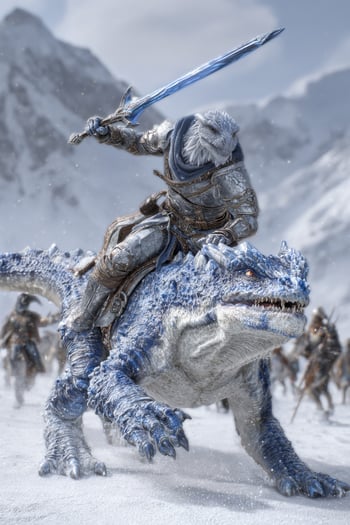
Settlements across Altinqor reflect the unique traits of their predominant sublineage. The Jazil Aydahar settle near freshwater bodies, as they are the only Aydahar capable of breathing while submerged and the only ones who actively participate in watersports. However, one sport unites all Aydahar: lizard racing. The art of lizard breeding mirrors horse husbandry, producing swift riding lizards, heavily armored battle lizards, and sturdy pack lizards for overland transport.
In arts, music, literature, and dance, the Aydahar maintain a rich tapestry woven from the various human cultures that blended to form their people. Their culinary habits, however, are distinctly unique. They delight in the ichor and meat of giant arachnids and insects; the Sasik Beetle is considered a fine delicacy, while roasted Fissure Spider, Tarantulas, Scorpions, and Giant Centipedes are standard fare. High-proof spirits like Aracona and Dokdrang Sarung are distilled directly from spider and centipede venom. For the Koke Aydahar, the electric blue drink Chokar is a favorite, lingering with static charge and tingling the lips.
In religious matters, the Aydahar worship Jormungandr, the World Snake. They gather at the Chantry of Jormungandr, an organization featuring amazingly complex temples across the country. The Chantry’s clergy styles itself loosely after the Temple of Woden, but holds that Jormungandr will ultimately prevail during Ragnarok, defeat the Aesir, and lead the Aydahar into a new age on Otan. Their faith is measured rather than fanatical; they feel no urge to hasten Ragnarok merely to test their theological theories.
Politics
Altinqor politics are famously dry and protracted. A political decision that might take a single day in a baseline Human nation can drag on for months or years in Altinqor. The Aydahar insist on thoroughly debating every facet of an issue before reaching a consensus. Even after agreeing, they will deliberate further to ensure the decision will stand the test of time before putting it into law. Foreign Sophists attribute this slow pace to the Dragons themselves, whose near-immortality means they feel no pressure to hurry.
The national government combines meritorious, democratic, and oligarchical elements. Altinqor and its sub-regions are governed by councils, similar to the Aelfes' administrative system. Leadership within these bodies is granted to the eldest members, ensuring that virtually every high-level official has graying scales. Councils appoint magistrates to handle daily civil rulings and urgent matters. Higher disputes can be appealed directly to the regional council, though petitioners must be prepared for lengthy deliberations; once an Elder Council renders a verdict, it is settled beyond all doubt.
In foreign affairs, most neighboring states fear Dragons far too much to provoke conflict with Altinqor. The Garis Nation to the south, who harbour a deep hatred for Dragons, frequently sabre-rattle along the border but have never committed to full-scale war. During the historical Grendel War, Altinqor backed the Grendel and used its military force to pressure Ortalyk. The campaign ended quickly when a peace treaty was struck between Humans and Grendels, with the Aydahar signing as co-signatories.
Economy
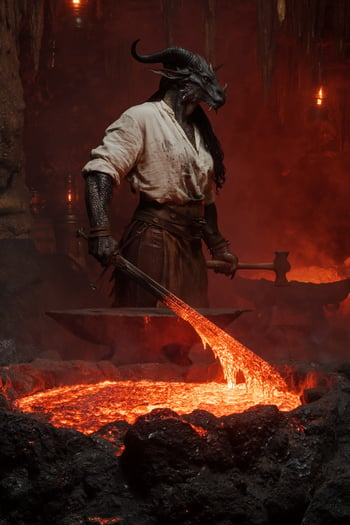
As a landlocked confederation, Altinqor relies heavily on trade routes through the Xigis Empire to transport goods to sea ports. The Kuulik Trade Company operates within Altinqor's borders, though local merchants are encouraged to compete with them directly. Since the end of the Grendel War, trade with Ortalyk has expanded, and the Elder Council continues to deliberate over formalizing these routes permanently.
Altinqor's most lucrative export is harvested dragon scales, which command premium prices on international markets. They also export specialized riding and pack lizards to collectors and foreign buyers. To maintain their Draconic patrons, the nation is a heavy importer of livestock, feed, and specialized animal husbandry goods. Lacking a strong weaving tradition, they also import fine fabrics and textiles.
The country remains self-sufficient in basic resources due to its mountainous borders, which yield rich mineral deposits for metallurgy, vast forests for timber, and stone quarries for construction. Tax revenues flow upward to the Elder Council of the Six Dragons, with a standardized portion set aside as official gifts to the regional Dragons to enrich their hoards.
Geography
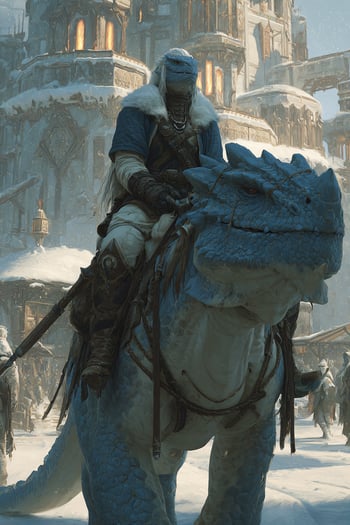
Altinqor covers a rounded square territory measuring approximately 105,764 square Gorom, spanning roughly 300 Gorom (a 30 days' ride) across. It shares borders with Ontustik to the southwest, the Garis Nation to the south, the Xigis Empire to the northeast, and Ortalyk to the northwest.
Most of Altinqor's major rivers flow southeast into Garis territory, where trade and travel are strictly barred. However, in the northeastern Jazil territory, a major river system flows directly into the Xigis Empire. Long-standing diplomatic agreements with Xigis, bolstered by the Empire's reverence for Dragons, grant Altinqor vital access to coastal maritime trade.
History
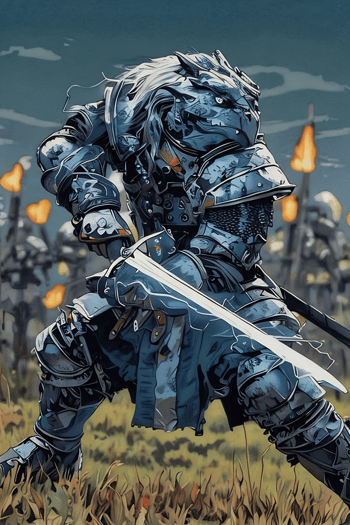
Following the Great Erasure, two sapient species awakened in the caverns and settlements of Altinqor: Dragons and their Aydahar wards. Initially, Dragons remained atop their hoards, uncertain if their newly awakened wards could be trusted. The Aydahar quickly realized an instinctual obligation to care for the Dragons, even if they did not yet comprehend the origin of the bond.
Historical records reveal an early exodus involving the Ungir, a diminutive offshoot related to the Aydahar. Sophists believe the Ungir were expelled from Altinqor due to their compulsive hoarding behaviors, a trait considered abhorrent in Aydahar society, where hoarding is reserved exclusively for Dragons. This ancient expulsion leaves relations between the two groups strained to this day.
Over its 260-year history, Altinqor has seen few major foreign military actions. Its most notable intervention occurred during the Grendel War, when Aydahar leaders realized that capturing Kala Astanals in Ortalyk could grant them direct access to the sea. Draconic participation caused chaos among the Ortalykshilar defenders, who were unprepared for aerial and elemental assault. However, negotiations concluded before Altinqor could secure permanent territorial concessions, leaving the nation landlocked.
Subregions of Altinqor
Altin Aydahar Region
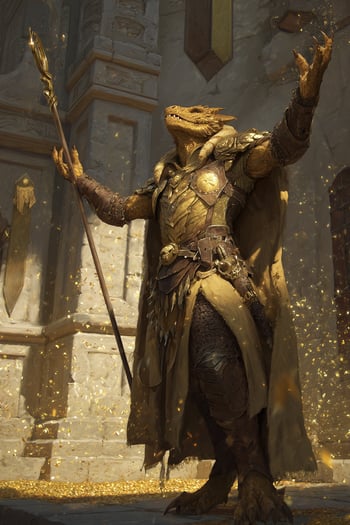
Capital: Kazinasi
Population: 248,585
Area (sq. Gorom).: 5,392
Aq Aydahar Region
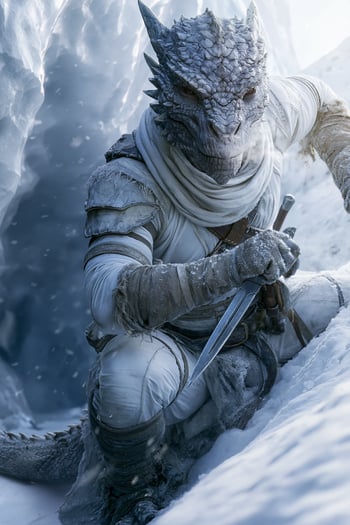
Capital: Aq
Population: 782,782
Area (sq. Gorom).: 18,100
Jasil Aydahar Region
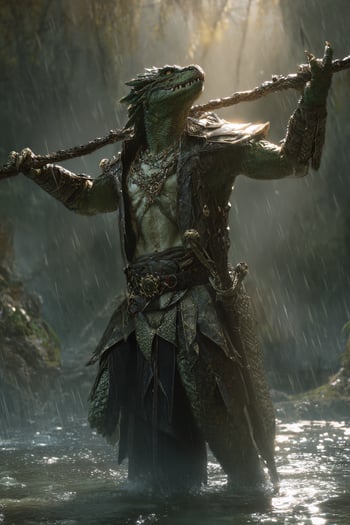
Capital: Jasil
Population: 464,092
Area (sq. Gorom).: 7,704
Kara Aydahar Region
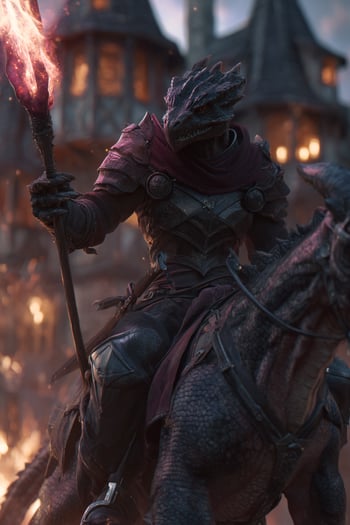
Capital: Kara
Population: 632,311
Area (sq. Gorom).: 9,516
Kizil Aydahar Region
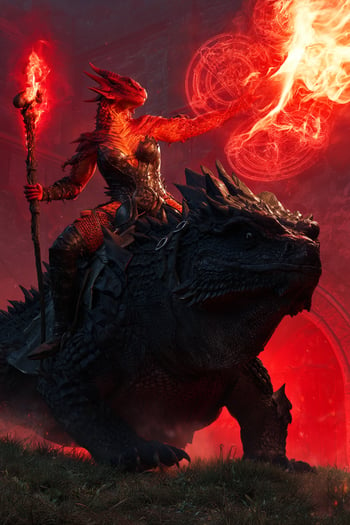
Capital: Kizil
Population: 693,018
Area (sq. Gorom).: 11,304
Koke Aydahar Region
Capital: Koke
Population: 324,232
Area (sq. Gorom).: 5,416
| Copyright © 2021-2026 by Robyn Blaber and Will to Power Games. All rights reserved. Content on this website may not be reproduced without written permission of the copyright owner. |
