Tozakh Language
| General Information | |
|---|---|
| Native Name | Tozakish |
| Language Family | Gaderung |
| Usage | Spoken, Written |
| Speakers | |
| Where Spoken | Shuwalu |
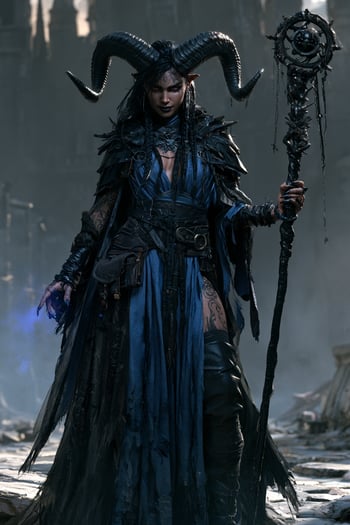
The Tozakh Language belongs to the Gaderung family and shares enough vocabulary with the Grendel Language that the two peoples can recognize some basic words and phrases. A Grendel and a Tozakh meeting under unusually favorable circumstances could therefore manage a very rudimentary conversation. The resemblance ends quickly, however. The grammar of Tozakh has diverged considerably, shaped by the fundamental division between the diurnal Faun Tozakh and their nocturnal Infernal cousins.
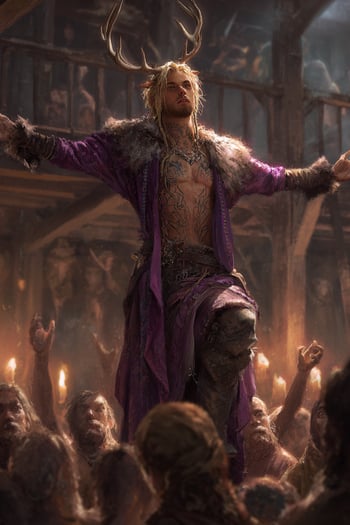
The two dialects do not merely use different words for different parts of the day. They organize sentences differently. Daytime nouns and verbs are treated differently from their nighttime counterparts, with grammar carrying information about the nature and circumstances of the thing being discussed. Day butter, for example, is a soft food used for shortening, cooking, and spreading on bread. Night butter is the same substance, but its handling requires considerably more caution, since rancid night butter stains anything it touches and leaves a scent that can attract predators. The distinction is grammatical rather than merely descriptive, and similar differences apply to everything from butter to bears.
This division reflects the larger structure of Tozakh life. Faun and Infernal communities share the same settlements, businesses, tools, and institutions, passing responsibility between them during the daily crossover period. The language evolved alongside this arrangement, making the distinction between day and night impossible to ignore. To an untrained listener, Tozakh speech has a peculiar saw-toothed intonation, rising through a forward phrase before dropping sharply on the return, as though every sentence were being pulled between the two halves of the day.
Speakers and Distribution
Fewer than two million people speak Tozakh, divided approximately evenly between the Faun and Infernal dialects. Nearly all native speakers live within the northern nation of Shuwalu, with only travelers, merchants, and a small number of foreign scholars carrying the language beyond its borders. The isolation of Shuwalu has allowed the two dialects to develop largely on their own terms.
The language is nevertheless closely tied to the practical machinery of Shuwalu society. The Tozakh maintain a civilization that rarely stops working, with Faun and Infernal partners taking over businesses, public works, military duties, and other responsibilities as their respective hours begin. The daily crossover period provides an opportunity to exchange information and maintain continuity between the two linguistic worlds. A Tozakh speaker therefore learns not only what something is, but whether it belongs to the day, the night, or the narrow period in which the two meet.
Writing and Literature
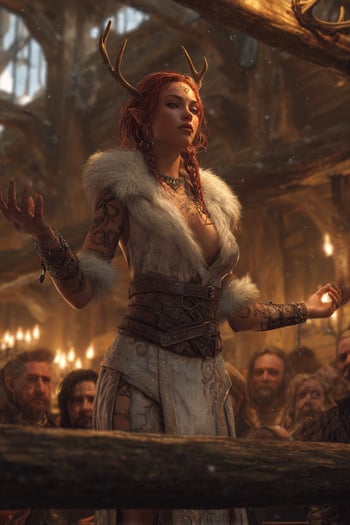
The Tozakh Language shares the Gaderung alphabet with its sister Grendel Language, and the Tozakh have developed a vigorous written culture of their own. Religious writings are particularly common, with works devoted to the deities associated with the two halves of Tozakh life: Bloncamann for the day and Aeski for the night. Unlike the Book of Woden, these works are not regarded as permanently sacred texts. They are revised, expanded, and occasionally rewritten as social customs change and new realities emerge.
Tozakh writers are also prolific in matters of practical knowledge. Shuwalu's reputation for animal husbandry, particularly its breeding of horses, has produced a substantial body of books and periodicals devoted to breeding, training, and care. Their horses are prized throughout Otan for their stamina, intelligence, and ability to thrive under difficult conditions. Most of this literature remains untranslated, but in the larger cities, particularly Dis, Tozakh scriveners can be found working through the day and night to render local works into Ortalyk. There is, after all, no reason a book should have to sleep merely because its author does.
| Copyright © 2021-2026 by Robyn Blaber and Will to Power Games. All rights reserved. Content on this website may not be reproduced without written permission of the copyright owner. |
