Maercland: Difference between revisions
Robyn.Blaber (talk | contribs) Created page with "{{Infobox region | region = Maercland | world = Political - Otan | region_longname = Maercland Horde | caption = Maercland (🔊 MARK-land) sits on the northern coast, with the Ungirsi Federation on its southern border and Soltustik to the west. It is Grendel territory. | cloud_image_id = https://imagedelivery.net/TNzzP2IqyQLYoHEs2ZN5aQ/13625508-a4b7-49e7-bdc4-97cf69914b00/wiki#.png..." |
Robyn.Blaber (talk | contribs) No edit summary |
||
| Line 4: | Line 4: | ||
| region_longname = [[Maercland]] Horde | | region_longname = [[Maercland]] Horde | ||
| caption = [[Maercland]] (🔊 MARK-land) sits on the northern coast, with the [[Ungirsi Federation]] on its southern border and [[Soltustik]] to the west. It is [[Grendel]] territory. | | caption = [[Maercland]] (🔊 MARK-land) sits on the northern coast, with the [[Ungirsi Federation]] on its southern border and [[Soltustik]] to the west. It is [[Grendel]] territory. | ||
| cloud_image_id = https://imagedelivery.net/TNzzP2IqyQLYoHEs2ZN5aQ/ | | cloud_image_id = https://imagedelivery.net/TNzzP2IqyQLYoHEs2ZN5aQ/c44db5b5-635e-4b95-9c91-e531f502a300/wiki#.png | ||
| banner_image_id = https://imagedelivery.net/TNzzP2IqyQLYoHEs2ZN5aQ/e2feb433-8b8f-4b08-f11e-ed1c14795e00/wiki#.png | |||
| banner_desc = | | banner_desc = | ||
| govt_type = Horde | | govt_type = Horde | ||
| Line 27: | Line 28: | ||
== Population == | == Population == | ||
{{LoreImage|https://imagedelivery.net/TNzzP2IqyQLYoHEs2ZN5aQ/ | {{LoreImage|https://imagedelivery.net/TNzzP2IqyQLYoHEs2ZN5aQ/5ee36e13-f205-4113-60dd-88339c7c5800/wiki#.png|350px|left}} | ||
There are over 3.5 million [[Grendel]] souls occupying [[Maercland]], roughly evenly divided between the three substrains. Less than 5% of the total population is non-[[Grendel]], consisting mostly of [[Kuulik]] and [[Ungir]] minorities. The [[Ungir]] find work, naturally, where underground fortifications, heavy metallurgy, and stone strongholds are wanted. The [[Kuulik]] are there, as they are nearly everywhere, to promote trade and navigate foreign markets. | There are over 3.5 million [[Grendel]] souls occupying [[Maercland]], roughly evenly divided between the three substrains. Less than 5% of the total population is non-[[Grendel]], consisting mostly of [[Kuulik]] and [[Ungir]] minorities. The [[Ungir]] find work, naturally, where underground fortifications, heavy metallurgy, and stone strongholds are wanted. The [[Kuulik]] are there, as they are nearly everywhere, to promote trade and navigate foreign markets. | ||
The [[Grendel]] themselves are split into three substrains. The [[Kalas Grendel]] are the urbanites and architects of the [[Grendel]] nation, without whom the [[Grendel]] would not only have a claim to [[Maercland]], such as it is, but might have been wiped out completely. Their largest substrain, in size and number are the [[Sogis Grendel]], who took to the [[Maercland]] hills, only emerging when called up in times of war. That leaves the [[Maerc Grendel]], who accepted their lots in life and inhabit the [[Maercland]] swamps. | |||
The [[Grendel]], thanks to the extreme persecution from [[Human]]s in past years, have developed a biological defense mechanism: a very high fertility rate. They create new [[Grendel]] faster than any other nation produces commodities. This runaway population growth may point to a future resource crisis or territorial friction, but for now, the [[Grendel]] hope that common sense and expanded trade will prevail. | The [[Grendel]], thanks to the extreme persecution from [[Human]]s in past years, have developed a biological defense mechanism: a very high fertility rate. They create new [[Grendel]] faster than any other nation produces commodities. This runaway population growth may point to a future resource crisis or territorial friction, but for now, the [[Grendel]] hope that common sense and expanded trade will prevail. | ||
| Line 61: | Line 64: | ||
== Geography == | == Geography == | ||
{{LoreImage|https://imagedelivery.net/TNzzP2IqyQLYoHEs2ZN5aQ/ | {{LoreImage|https://imagedelivery.net/TNzzP2IqyQLYoHEs2ZN5aQ/35c0ab59-e788-4c6f-691c-b25a25a8a100/wiki#.png|350px|right}} | ||
[[Maercland]] is situated in the distant northeastern corner of [[Otan]]. It shares a tense western border with the human kingdom of [[Soltustik]] and the mystical borders of [[Aelfwode]], while its southern border connects to the subterranean openings of the [[Ungirsi Federation]]. The open sea lies directly to the east, broken only by a short, vital land border with the [[Kuulik Peninsula]]. | [[Maercland]] is situated in the distant northeastern corner of [[Otan]]. It shares a tense western border with the human kingdom of [[Soltustik]] and the mystical borders of [[Aelfwode]], while its southern border connects to the subterranean openings of the [[Ungirsi Federation]]. The open sea lies directly to the east, broken only by a short, vital land border with the [[Kuulik Peninsula]]. | ||
Revision as of 22:34, 12 July 2026
| General Information | |
|---|---|
| Capital | Sogis Kalasi |
| Culture | Grendel |
| Government | |
| Government Type | Horde |
| Demographics | |
| Total Pop | 3558426 |
| Urban Pop | 196527 |
| Rural Pop | 3361899 |
| Settlements | 21 |
| Geography & Economy | |
| Area | 59856 sq. Gorom |
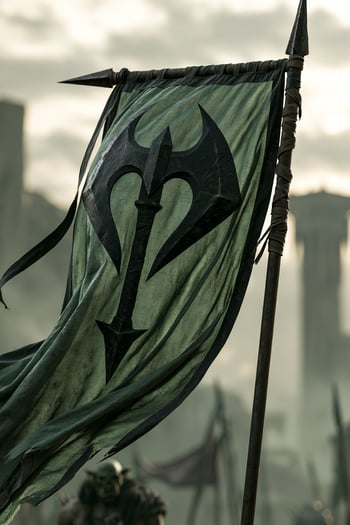
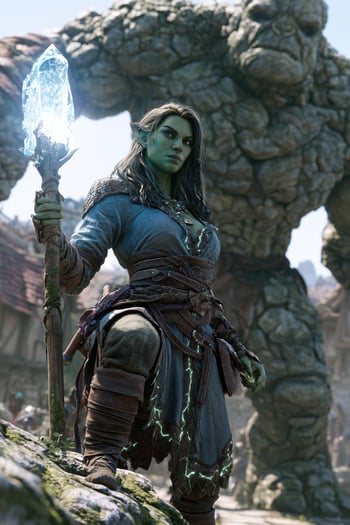
Perhaps the most inhospitable land in all of Otan is Maercland. It is cold, unforgiving swampland to the south, and cold, unforgiving hill country to the north. It is inhabited by the Grendel, the only Strain on Otan ever to challenge Human dominance. No people of Otan are entirely sure of their history before the Great Erasure, but the Grendel have deduced that they were driven from more arable lands to these Woden-forsaken swamps by Humans. They specifically hold the Ortalyk and Soltustik humans suspect for this ancient betrayal.
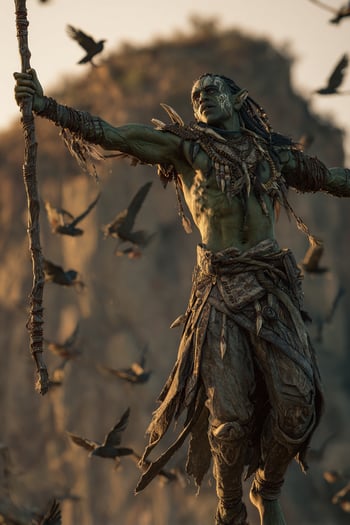
The Grendel, for their part, have adapted to the harshness of the land. The green-skinned Kalas Grendel took to building, continually constructing cities and strongholds to secure their territory. The blue-skinned Maerc Grendel keep to the swamps, having learned to fight off virulent diseases and survive by hunting the swamp-borne wildlife. Meanwhile, the Sogis Grendel populate the hilly northern region, having successfully introduced game and plant life to a region formerly bereft of life.
The three substrains have little that needs governing on a daily basis, but when the nation is under duress, the Kalas Grendel leaders step up to lead them all. In recent years, there has been no call to war, so the Kalas have been preoccupied with building defenses and bolstering their nation's economy. Their architecture reflects this defensive mindset, adapting to the freezing winters where the southern swamps freeze solid for up to six months of the year.
Population
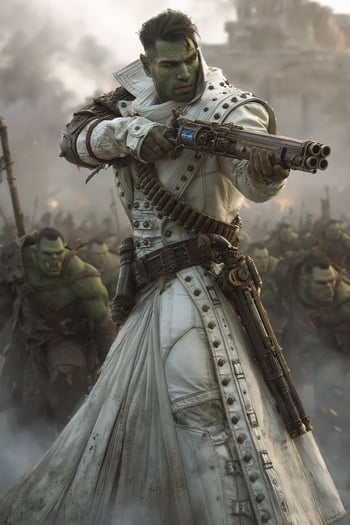
There are over 3.5 million Grendel souls occupying Maercland, roughly evenly divided between the three substrains. Less than 5% of the total population is non-Grendel, consisting mostly of Kuulik and Ungir minorities. The Ungir find work, naturally, where underground fortifications, heavy metallurgy, and stone strongholds are wanted. The Kuulik are there, as they are nearly everywhere, to promote trade and navigate foreign markets.
The Grendel themselves are split into three substrains. The Kalas Grendel are the urbanites and architects of the Grendel nation, without whom the Grendel would not only have a claim to Maercland, such as it is, but might have been wiped out completely. Their largest substrain, in size and number are the Sogis Grendel, who took to the Maercland hills, only emerging when called up in times of war. That leaves the Maerc Grendel, who accepted their lots in life and inhabit the Maercland swamps.
The Grendel, thanks to the extreme persecution from Humans in past years, have developed a biological defense mechanism: a very high fertility rate. They create new Grendel faster than any other nation produces commodities. This runaway population growth may point to a future resource crisis or territorial friction, but for now, the Grendel hope that common sense and expanded trade will prevail.
Culture
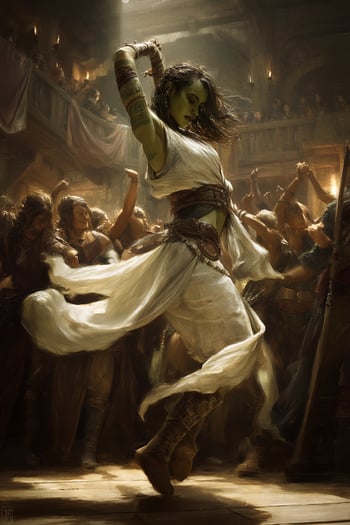
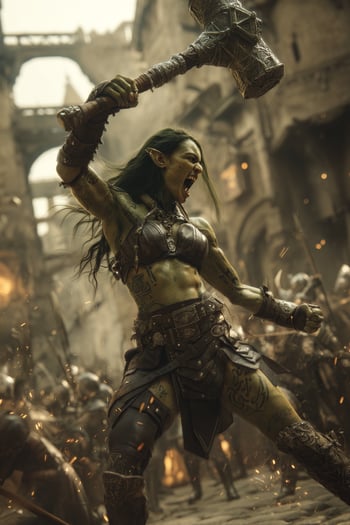
The Grendel admire strength, specifically physical strength, and this admiration is pervasive in every facet of their culture. They prefer sports and games where one side completely overpowers the other. Their favorite sport is that of Skulls, where two teams protect a wagonload of skulls from one another; the team with the most skulls in their wagon after a prescribed number of brutal scrums is declared the winner. Contests of these types can leave individuals heavily wounded, sometimes fatally in the worst cases. Their peak entertainment comes from performative, awe-inspiring feats of strength.
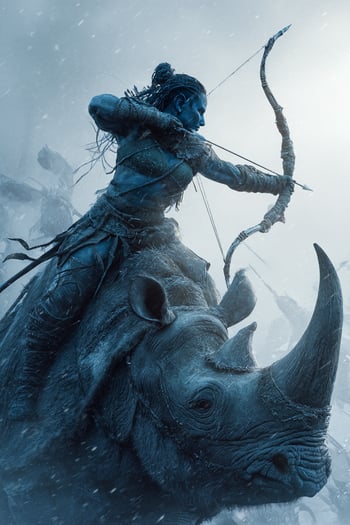
Other areas of Grendel culture are surprisingly refined. Their gastronomic culture is among the best in the world, thanks to rare spices found only in their unforgiving swamps. The Maerc Grendel, for instance, are famous for a fermented food and beverage called Gruche. Made from the virulent poison of the Spotted Tree Frog mixed with fresh meat from lizards, crocodiles, and swamp-dwelling snakes, Gruche is left to ferment all summer with mangoes and sweet berry juices. The result is a mellowing, euphoric drink that masks the bitter poison, causing some to hallucinate vivid "visions of the past and future" when consumed in large quantities.
Their craftsmen, while not famous for the tireless, intricate scrollwork that Aelfes and Dweorges produce, have an unparalleled feel for metallurgy. They produce the strongest steel in Otan, known the world over for its durability. Grendel steel is both a primary export and a perfect metaphor for the Grendel people themselves, unyielding and forged in hardship. Accompanying this hard lifestyle is Grendel music, which is surprisingly upbeat and relies on heavy percussion; connoisseurs note that one can always hear the rhythmic drums of war underpinning even their happiest melodies.
Religion is a deeply private thing for most Grendel. While historically rooted in standard Wodenism or local Cults of Personality, they will pick and choose a god to worship that matches their immediate emotional needs. In recent years, there has been a massive surge in the worship of Otoy, the goddess of Redemption. The Grendel youth has eagerly embraced this new faith as a rebellious, progressive parting with the militant "old ways" of their ancestors.
Politics
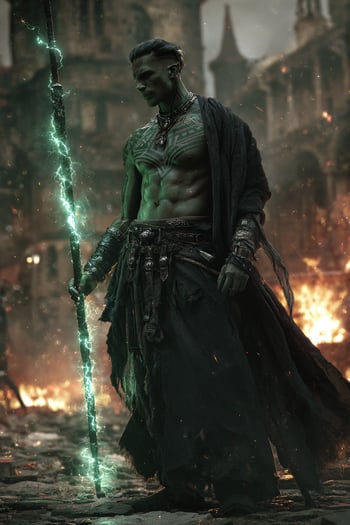
The ultimate leader of the Grendel is called the Kosbassi, a title held by a leader chosen by right of might in single combat. Unlike a typical, chaotic kratocracy of this kind, the Grendel have evolved a sophisticated set of constitutional rules to ensure that raw physical strength is paired with genuine leadership capability. Only the most meritorious individuals who have proven their military service, civil loyalty, and strategic value to Maercland are permitted to challenge the reigning Kosbassi.
Serious and violent challenges for supreme leadership are generally the realm of the Kalas Grendel. Perhaps city life, the management of massive fortifications, and economic trade spur political ambition. The Kalas Grendel will fight to the point of death or permanent disfigurement for a leadership position, viewing the physical sacrifice as the ultimate proof of their dedication to the state.
In contrast, the Maerc and Sogis Grendel are far more circumspect regarding domestic politics. The other substrains are satisfied to make their local leadership contests far less strenuous, often completely ceremonial. The rapid snatching of a pebble from an opponent's hand or the rolling of carved bones might signify the time for a local chief to pass the torch. Ambition in these latter two substrains is met with an overwhelming burden of communal responsibility, an exhausting duty which few of them actually desire.
Economy
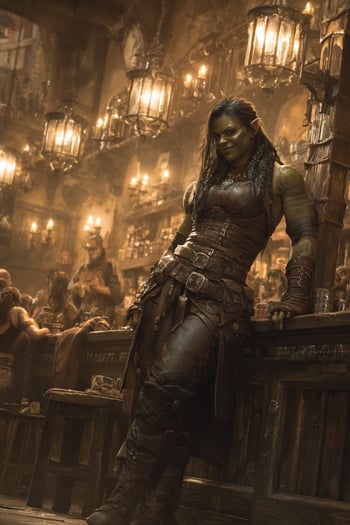
With their nation situated directly adjacent to the Kuulik Peninsula, the Grendel are continuously inspired to trade thanks to the mercantile examples set by their diminutive cousins. Their most sought-after and lucrative export is Grendel Steel, an unmatched metal ideally suited to make superior weapons and armor for Otan's various militaries. On the other side of the balance sheet, Maercland must heavily import food, lumber, and livestock, particularly horses, all of which are in dangerously short supply within their frozen marshes and barren hills.
To offset their agricultural deficits, the Grendel boast some of the most prolific, fearless fishermen in Otan. They willingly haul in massive sea creatures from the eastern waters where other strains would cut their lines out of terror. These massive hauls are immediately broken down; what local coastal communities cannot eat is quickly sent off to the northern hills. There, the Sogis Grendel, who mine vast underground salt deposits, preserve the fish for long-term domestic storage and profitable export.
Geography
Maercland is situated in the distant northeastern corner of Otan. It shares a tense western border with the human kingdom of Soltustik and the mystical borders of Aelfwode, while its southern border connects to the subterranean openings of the Ungirsi Federation. The open sea lies directly to the east, broken only by a short, vital land border with the Kuulik Peninsula.
Due to this layout, Maercland is famously the only nation on Otan that can reach the trade-heavy peninsula by road. Farther to the south, across the churning waters of Negizi Bay, lies Ortalyk, the home of the chief human enemies of the Grendel during the devastating Grendel War.
The unforgiving northern latitude keeps the expansive swampland that covers the southern half of the country completely frozen for up to 6 months of the year, making it less than pleasant even during the humid summer months. Conversely, the northern half of the country transitions into an elevation of rugged hills, some completely barren and windswept, and others blanketed by thick, dark pine forests that provide a meager supply of lumber.
History
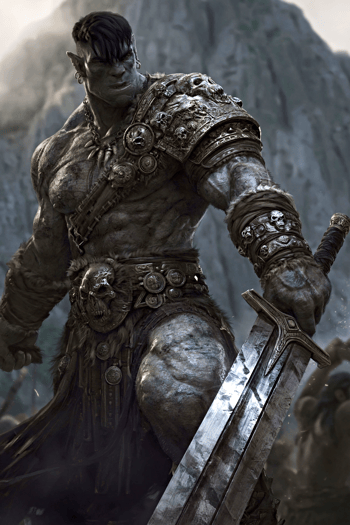
In the decades following the Great Erasure, the Grendel found themselves adrift in a hostile world, struggling to define their place among the shifting powers of Otan. Their initial approach was surprisingly one of peaceful diplomacy; they sought to secure their future through tireless negotiations with their human neighbors, dispatching envoys to establish formal trade deals and secure vital resources for their resource-poor, frozen marshland. However, these early efforts were met with systemic indifference and cold xenophobia. Most Grendel embassies returned with empty hands, as the surrounding human nations remained wary of the strain’s imposing physical presence and alien customs.
As the peaceful "Old Ways" of tradition and isolationist survival seemed doomed to fail against the rising geopolitical pressures of the outside world, the tide shifted toward total conflict. The Grendel War erupted as an explosive, armed uprising led by the fanatical warlock Zorhan Zhanat. His charismatic leadership and devastating mastery of destructive magic turned a desperate struggle for resources into a bloody crusade for Grendel liberation. This continental war saw the rise of legendary figures across Otan, including the human hero Batil Zhurek, who earned his immortal status in the defense of Ortalyk before eventually ascending to the position of Tsar.
The grueling conflict eventually reached its breaking point, leading to the exhaustion and eventual capitulation of the Grendel forces. Peace was formalized through the signing of the Treaty of Kala Astanals, an agreement named for the imperial city and educational heart of Ortalyk, where the strict terms were negotiated. Today, the Grendel remain at an uneasy peace with their neighbors. While the scars of the war and the strictures of the treaty continue to influence their trade-heavy relationship with nations like the Ungirsi Federation, it has allowed for a slow cultural transition. The militant zealotry born in the fires of the war has finally begun to settle, giving way to the structured, peaceful worship of Otoy among the new generation.
Subregions of Maercland
Joyu Horde
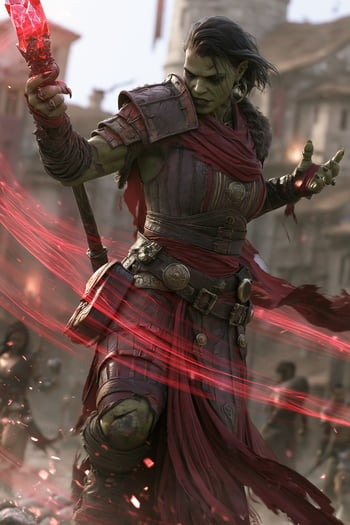
Capital: Sogis Joyu
Population: 572,690
Area (sq. Gorom).: 10,696
Kalasi Horde
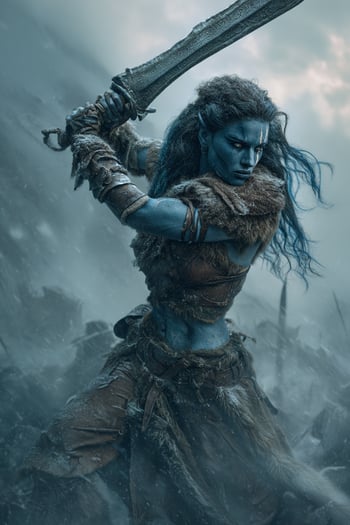
Capital: Sogis Kalasi
Population: 442,146
Area (sq. Gorom).: 5,808
Kan Horde
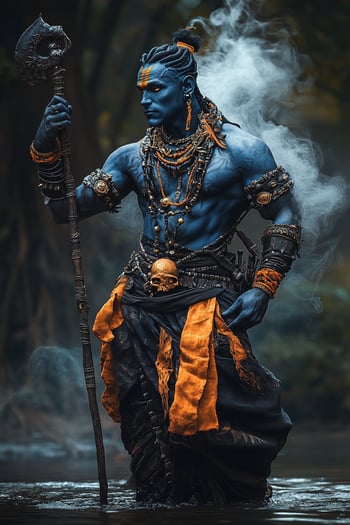
Capital: Sogis Kan
Population: 915,641
Area (sq. Gorom).: 14,736
Kek Horde
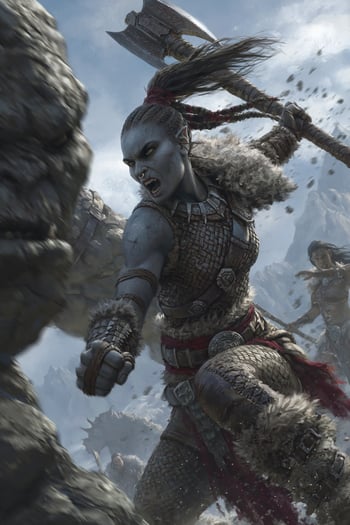
Capital: Sogis Kek
Population: 685,379
Area (sq. Gorom).: 12,776
Kirgin Horde
Capital: Sogis Kirgin
Population: 85,212
Area (sq. Gorom).: 1,260
Saykas Horde
Capital: Sogis Saykas
Population: 857,357
Area (sq. Gorom).: 14,580
| Copyright © 2021-2026 by Robyn Blaber and Will to Power Games. All rights reserved. Content on this website may not be reproduced without written permission of the copyright owner. |
