Ortalyk
| General Information | |
|---|---|
| Capital | Kala Astanals |
| Culture | Ortalykshilar |
| Government | |
| Government Type | Tsardom |
| Demographics | |
| Total Pop | 5852509 |
| Urban Pop | 423964 |
| Rural Pop | 5428545 |
| Settlements | 28 |
| Geography & Economy | |
| Area | 155880 sq. Gorom |
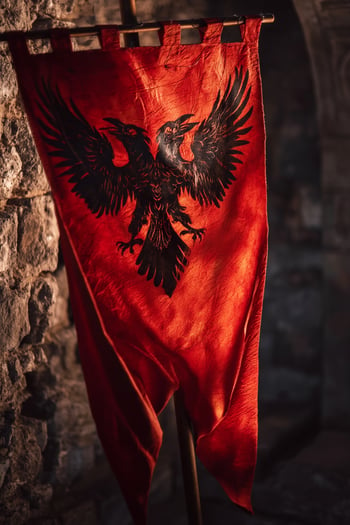
The Tsardom of Ortalyk stands as the undisputed titan of eastern Otan, a sprawling and majestic central nation whose territory stretches from the rugged western mountains down to the roaring eastern ocean. The land itself is a bountiful tapestry of dense, ancient deciduous forests and boundless, sun-drenched arable grasslands. These rich ecosystems are fed by mighty, churning rivers that carve their way eastward, acting as the lifeblood of the nation's immense agricultural and mercantile wealth.
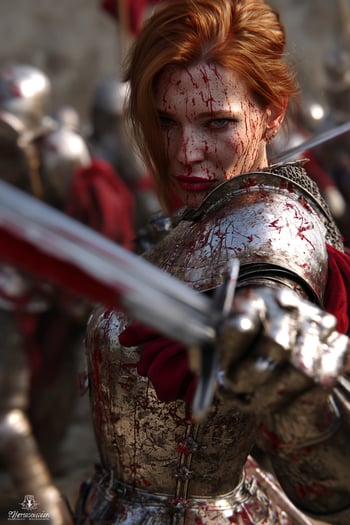
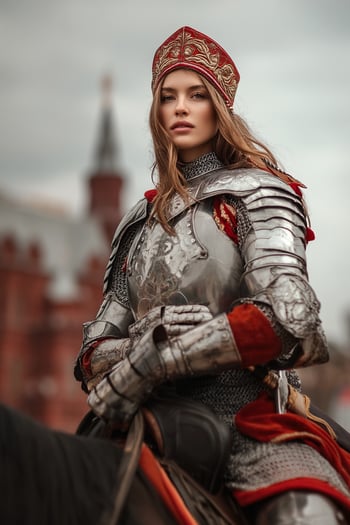
It is within this fertile expanse that the Ortalykshilar thrive. These sturdy, exceptionally industrious humans have spent generations transforming their geography into power. Under the centralized, iron-willed rule of their Tzar, they have combined collective labor with an unwavering civic duty to forge the richest, most politically dominant empire on the continent. Where other nations struggle against hostile environments, the Ortalykshilar have mastered theirs, turning raw nature into a highly organized engine of state power.
At the heart of this empire lies the glittering port city of Kala Astanals, the nation's capital and a bustling metropolis home to many of the world’s most affluent and influential figures. Serving as a critical maritime gateway, it boasts a massive trading port and houses the largest, most formidable citadel in all of Otan. The city's staggering industrial sectors are surpassed only by the deep-subterranean foundries of the Dweorges, making Kala Astanals a smog-kissed beacon of manufacturing might.
Kala Astanals, the capital, is renowned for its unmatched institutions of higher learning. The grand academies and sophisticated magical colleges within its walls are globally unrivaled; it is widely accepted that virtually any known school of power, arcane art, or advanced philosophy can be mastered here. While Ortalyk's recent history is scarred by bitter, bloody conflicts with the draconic Aydahar to their south and the monstrous Grendel to their north, brilliant diplomacy and the historic Concord of Kala Astanals have miraculously transformed these former existential threats into highly lucrative trading partners.
Population
The vast majority of the Tsardom's nearly six million inhabitants belong to the Ortalykshilar strain. Making up roughly ninety percent of the total demographic, their robust physiques and stoic dispositions define the cultural baseline of the country. The remaining ten percent of the population is comprised of a vibrant, tightly monitored diaspora of foreign human strains and various non-human lineages. This unique demographic makeup means small pockets of nearly every cultural group can be found scattered across the provinces, operating businesses or working the land under the watchful eye of the Boyars.
However, Ortalyk’s borders are strictly closed to certain peoples. The legendary Qurilissi are completely absent, whispered by historians to no longer exist in the mortal realm. The fiercely isolationist Garis never cross into Ortalyk territory, choosing to remain permanently within the borders of their own canine-featured homelands. The elusive Misiq remains a myth to the general populace, known only to a select elite. Most severely, members of the subterranean Ungir strain are expressly, legally forbidden from ever setting foot on Ortalyk soil, an ancient mandate enforced with lethal prejudice.
The true melting pot of the empire is the prestigious Astanals District, the sprawling metropolitan province surrounding the capital. Here, the ten percent diaspora concentrates into a dizzying array of diverse neighborhoods. Foreigners, merchants, and eccentric scholars flock to the district, drawn by the irresistible gravity of the capital's infinite resources, its proximity to the Tzar’s favor, and the unmatched wealth of knowledge preserved within its premier schools of power.
This dense diversity thrives precisely because the Astanals District offers something for everyone. Whether an outsider is seeking the unmatched industrial base for manufacturing, a berth at the massive international trading port, or simply the comfort of finding a micro-community of their own specific substrain, the capital accommodates them. It remains a place where the sophisticated elite and the foreign laborer walk the same paved avenues, all contributing to the grandeur of the Tsardom.
Culture
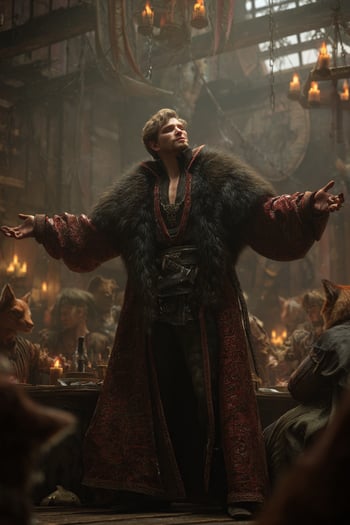
The Ortalykshilar are a deeply pious and traditional people whose lives are inextricably bound to the largest, most influential religious organization on Otan: the Temple of Woden. The Temple's reach is monolithic, maintaining dozens of staggering, vaulted cathedrals across Ortalyk, alongside well-funded embassies and holy sites in major cities across the globe.
Faith in Woden is entirely ubiquitous; it serves as the invisible framework for daily existence. Oaths sworn in Woden's name seal every major commercial trade, his holy words proffer everyday wisdom to the peasantry, and simple invocations of his grace serve as standard morning greetings.
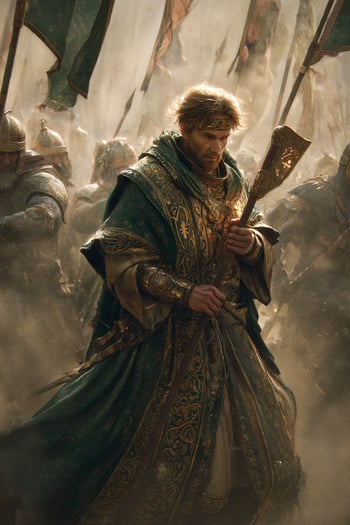
While the political reality of the nation is rigidly feudal, there is little resentment among the common folk. An average Ortalykshilar peasant or craftsman will, without a hint of irony, openly profess their undying love for the Tzar and Woden in the very same breath. This intense dual devotion ensures unparalleled social cohesion.
This cultural synergy has sparked a golden age for the arts, driven by two distinct pipelines of immense wealth. Secular art is aggressively patronized by wealthy merchants, rising industrialists, and powerful trade guilds looking to immortalize their commercial empires. Conversely, religious art is lavishly funded by the Temple of Woden to inspire awe and terror in the hearts of the faithful. The breathtaking results of secular funding can be seen decorating the marble offices of the trade guilds, while religious masterpieces dominate the local temples.
The ultimate culmination of these two artistic forces can be witnessed at the center of world power. The Imperial Palace of the ruling Zhurek Dynasty stands as perhaps the most richly appointed, breathtakingly opulent structure on Otan. Within its towering corridors, grand secular tapestries celebrating military victories hang alongside sublime, gold-leafed icons of Woden. It is a visual testament to the merger of church and state, designed to leave foreign diplomats entirely speechless.
Politics
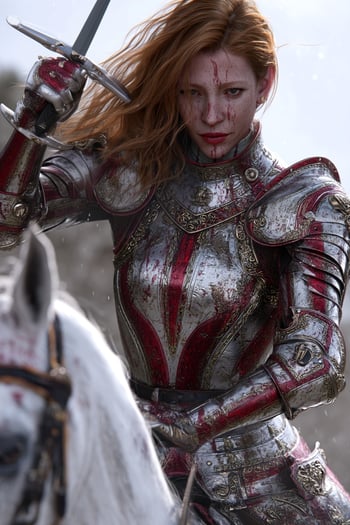
Ortalyk has operated as a centralized Tzardom since the dawn of recorded history. The crown is strictly hereditary, though it does not follow standard primogeniture; the throne is not automatically passed from a ruler to their eldest son or daughter. Instead, the ruling dynasty controls the succession internally.
The royal family evaluates its own bloodline and collectively decides who among them possesses the ruthlessness, intellect, and divine favor required to succeed the reigning Tzar. At the apex of the state, secular and divine powers are practically fused; the Tzar's immediate inner circle rarely executes a major geopolitical decree or domestic policy without first securing the formal blessing of the high priests of the Temple of Woden.
Because internal family politics can turn devastatingly deadly, the ruling dynasty goes to extreme lengths to carefully manage and share information regarding the path of succession. This transparency among elite family factions is a calculated measure designed to avoid inner-circle corruption, prevent civil fragmentation, and thwart assassination attempts, though history notes that blood has still occasionally stained the steps of the throne.
The empire is geographically organized into eleven subregions known as Provinces, each governed by a noble Lord called a Boyar. Boyars are directly appointed by the Tzar, holding their administrative tenure for life. While the position of Boyar is traditionally expected to stay within prominent regional families, it remains entirely at the discretion of the Crown. On a mere whim, the Tzar can strip a lineage of its title and choose a Boyar from an entirely different family or province to take command.
Provinces possess the legal right to tax their local populations, but the cream of these revenues is immediately funneled back to the Tzar’s central coffers to maintain the capital and fund national infrastructure. In exchange for their lands, each Boyar is legally obligated to keep a strict quota of standing troops perfectly trained, heavily armed, and ready to march at a moment's notice. Internally, the entire government is a steep, unyielding hierarchy. Top appointments are made by the Tzar, those appointees choose their own subordinates, and it is a common idiom that the cleverest bureaucrats are those who manage to survive the death of a Tzar without losing their heads or their offices.
Economy
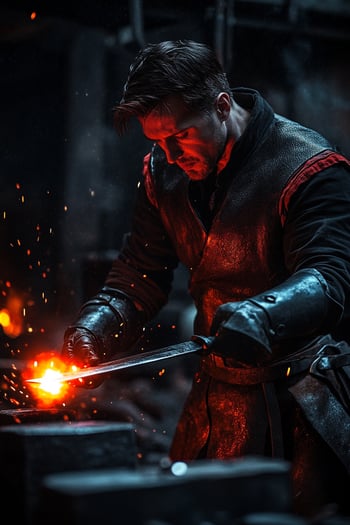
Ortalyk does not merely produce goods; it aggressively over-produces them. Operating within a nation composed almost entirely of hyper-fertile arable land, the Tsardom faces none of the existential resource crises that plague its neighbors. The very concept of a food shortage or famine is alien to the mind of an Ortalykshilar. Because the populace enjoys a baseline of full bellies and secure homes, their collective cultural focus naturally turns toward massive heavy industry and state-mandated manufacturing.
Their primary economic duty is to the strength of the state, which is why their most ubiquitous industrial products are directly tied to military provisioning. They breed legendary strains of warhorses, manufacture sturdy transport carts, forge masterwork weapons and armor, fletch millions of arrows and crossbow bolts, and mass-produce boiled food preserves designed to sustain legions on multi-year campaigns. The excess of this relentless over-production is exported across Otan, with fellow human nations regularly relying on Ortalyk for trade deals.
Primary exports include war supply provisioning, arms, armor, cartage, bred warhorses, mounts, fletched arrows or bolts, rations, and food preserves. To balance these massive military exports, Ortalyk imports high-end luxury items to satisfy its wealthy merchant class, such as luxury home furnishings, fine rugs, tapestries, rare herbs, exotic spices, raw metals, gems, and magical artifacts.
Soltustik enjoys the closest, most lucrative trading relationship with the Tsardom, followed closely by Xigis, Ontustik, Karazalik, and the island-dwelling Araldar via maritime routes. Conversely, due to treacherous terrain and extreme distance, there is no viable or easy trade route to the western Batis. The nation maintains an incredibly prosperous, open relationship with the global Kuulik Trading Company, which boasts a truly massive corporate facility within the docks of Kala Astanals.
Geography
Ortalyk is a massive, oblong country that dominates the eastern center of Otan, covering a staggering territory of approximately 166,000 square Gorom (1,700,000 sq. km). This immense footprint positions the Tsardom as the ultimate geopolitical crossroads, bordering six separate nations. To its north lie the mystical forests of Aelfwode and the strict borders of the Ungirsi Federation, while its sweeping terrestrial borders from west to east run adjacent to Karazalik, Ontustik, Altinqor, and Xigis. Furthermore, its northernmost ports sit just a short, strategic sail away from Maercland and the prominent Kuulik Peninsula.
The climate across this vast territory is strictly temperate, characterized by distinct, predictable seasons that favor its massive agricultural output. The lone geographical exception is found in the high, jagged mountainous terrain of its western Keywar territories, which offer a natural, easily defensible wall against western incursions. Moving southwest, the landscape softens into rolling, hilly country before flattening out into the heart of the nation, a lush, green expanse of deciduous forests and endlessly deep arable grasslands. The entire eastern and northeastern frontiers of the country are defined by a jagged, rocky coastline, where thriving coastal communities supplement the imperial economy with massive commercial fishing, whaling, and advanced maritime trade.
History
The ancient imprints of an Ortalyk that existed before the catastrophic Great Erasure have long been a focal point of intense investigation for the capital's premier Sophists. Historical excavations strongly suggest that the seat of the Tzar is well over a thousand years old, completely defying the mere 260 years of preserved, written history available to the modern world. This ancient pedigree has led several prominent Ortalyk Sophists to champion a highly controversial theory: that all of humanity originally belonged to a singular, primordial Greater Ortalyk empire before migrating outward to found the other human nations, a claim that is fiercely, often violently contested by foreign scholars.
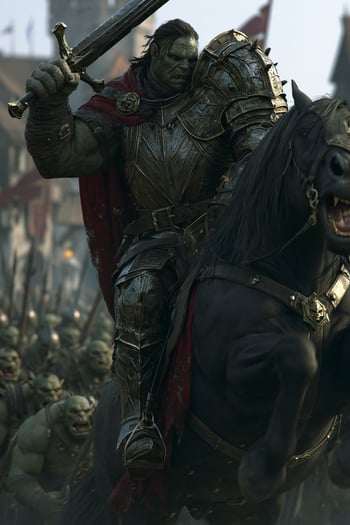
Beyond human rivalries, the historical archives record long, deeply testy relationships with the draconic strains of the south and a legacy of bitter border skirmishes with the northern Grendel. Since the dawn of the post-Erasure era, Ortalyk has defended its borders fiercely, culminating two decades ago in the devastating Grendel War. This total war was ignited when Grendel shamans divined that their ancestors once shared the pristine, fertile grasslands of central Otan alongside humans, only to be systematically driven off into the frozen, unforgiving northern swamplands they now inhabit.
This deep-seated historical resentment boiled over into an all-out, continental conflict that dragged half of Otan's nations into the fray. After years of brutal, gridlocked battles and immense loss of life, an unexpected and shocking truce was struck between two of the war's primary instigators. The resulting peace treaty, famously dubbed the Concord of Kala Astanals, has miraculously held for over a decade. This historic piece of diplomacy has not only stabilized the borders but has fostered unprecedented trade relations, making premium, near-indestructible Grendel steel one of the most highly prized and sought-after commodities in the bustling markets of the Ortalyk capital today.
Subregions of Ortalyk
Astanals
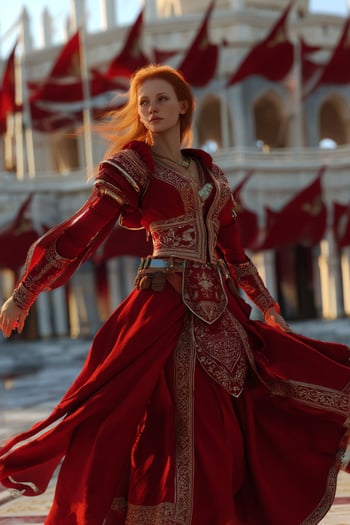
Capital: Kala Astanals
Population: 369,720
Form of Govt.: District
Gemlock
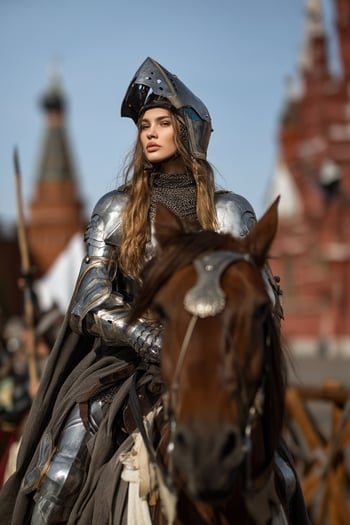
Capital: Gemlok
Population: 623,992
Form of Govt.: Province
Kalampir
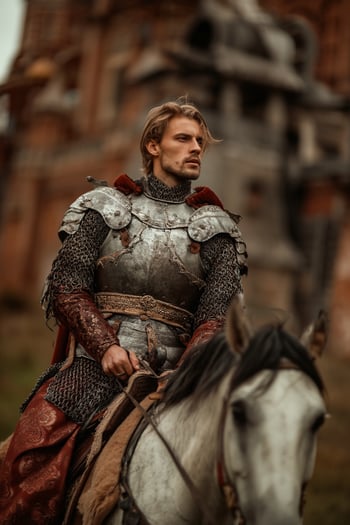
Capital: Xikori
Population: 1,337,598
Form of Govt.: Province
Karagay
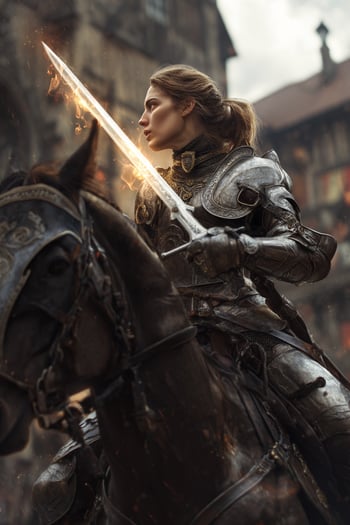
Capital: Karagay
Population: 386,888
Form of Govt.: Province
Kiywar
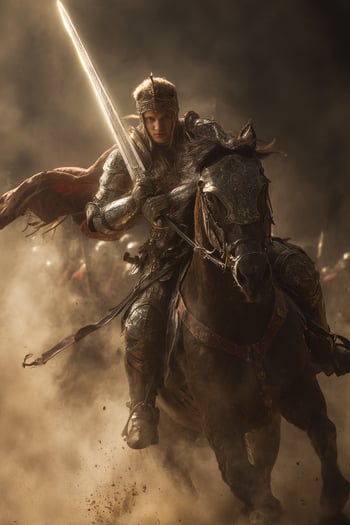
Capital: Jalinbeti
Population: 241,889
Form of Govt.: Territory
Neim
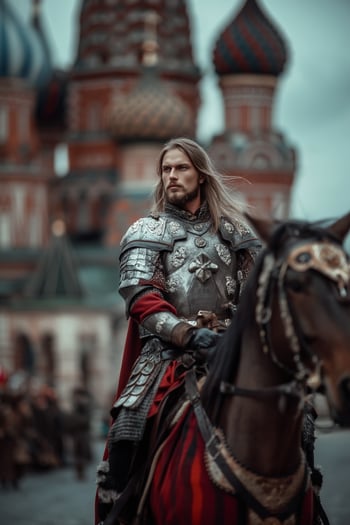
Capital: Balkaragay
Population: 944,135
Form of Govt.: Province
Rezenke
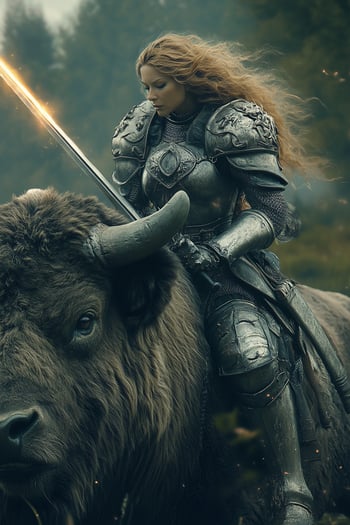
Capital: Rezenke
Population: 628,657
Form of Govt.: Province
Sayagasi
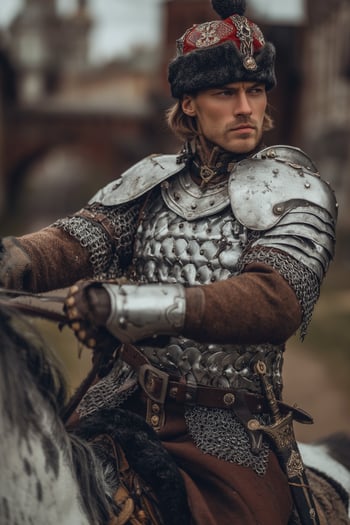
Capital: Jangak
Population: 1,169,031
Form of Govt.: Province
Sop
Capital: Balsagasi
Population: 150,598
Form of Govt.: Province
| Copyright © 2021-2026 by Robyn Blaber and Will to Power Games. All rights reserved. Content on this website may not be reproduced without written permission of the copyright owner. |
