Quarrylands
| General Information | |
|---|---|
| Capital | Diamond City |
| Culture | Dweorg |
| Government | |
| Government Type | League |
| Demographics | |
| Total Pop | 3768994 |
| Urban Pop | 218287 |
| Rural Pop | 3550707 |
| Settlements | 16 |
| Geography & Economy | |
| Area | 231104 sq. Gorom |
The Quarrylands are a sprawling, industrious superpower situated on the central southern coast of Otan. Bordered to the north by Batis and the chaotic Free States, and flanked to the east and west by Karazalik and Kiskentay, respectively, this heavily fortified realm looks outward in every direction, including toward the open sea. Rather than viewing the southern ocean as a mere boundary or trade route, the Dweorges treat the vast waters as a monumental oceanic quarry, a liquid expanse ripe with sunken treasures, mineral-rich shelves, and marine wealth waiting to be claimed by their specialized fleets.
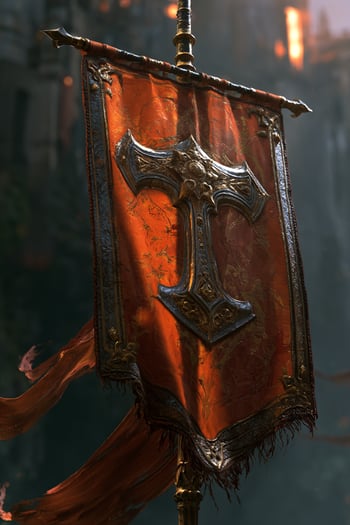
Spiritually, the people of the Quarrylands are deeply pious, though a distinct twist of historical fate has led them to adopt Thor as their ultimate patron deity. Unlike other strains who worship the pantheon with distant reverence, the Dweorges possess an ingrained sense of divine superiority. They hold a firm, foundational belief that it was their own ancient forebearers who engineered and forged Thor's legendary hammer, Mjölnir, alongside the other grand artifacts gifted to the gods. This conviction imbues the entire population with an air of quiet arrogance over other strains, rooted in the idea that they possess a god-level ingenuity in crafting that mirrors the divine.
The sheer scale of industry within the Quarrylands is staggering. Every city, town, and subterranean settlement proudly serves as a hub for extracting, refining, and perfecting the fruits of their endless mines. The state functions as a massive corporate machine where the dominant sectors, mining, smelting, smithing, gemology, and massive domestic food production, naturally form the most powerful guilds in the land. Under the collective banner of the League of Dweorgen Miners, this guild consortium serves as the true, undisputed government of the nation.
Led by the major Dweorgen guild masters, this powerful body dictates everything from national monetary policy to the precise market pricing of commodities. The League funds, equips, and oversees all tiers of local governance and maintains the formidable Dweorgen military. While administrators handle the day-to-day bureaucracy, it is the guild leaders who hold the ultimate authority, deciding exactly when it is time for the Dweorges to mobilize and march to war.
Population
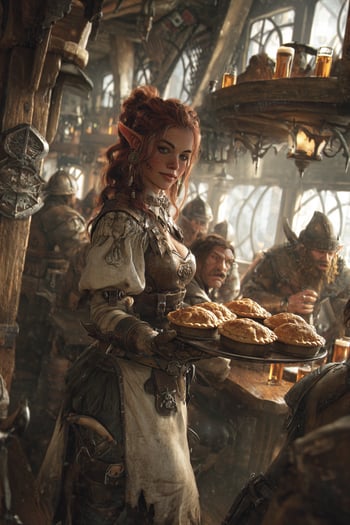
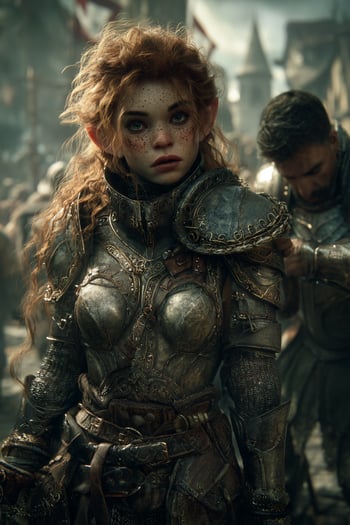
Exceeding a population of 3.7 million souls, the Quarrylands are almost exclusively Dweorgen, structured around four highly adapted substrains. To an outside observer walking the surface, the country appears populated entirely by the Fyldweorges. This hearty, rustic variety represents the public face of the nation, preferring agricultural cultivation, surface-level masonry, and bustling city life to deep-earth isolation. While the Fyldweorges certainly mine and quarry the surface hills, they do not dive into the extreme depths favored by their less-visible kin.
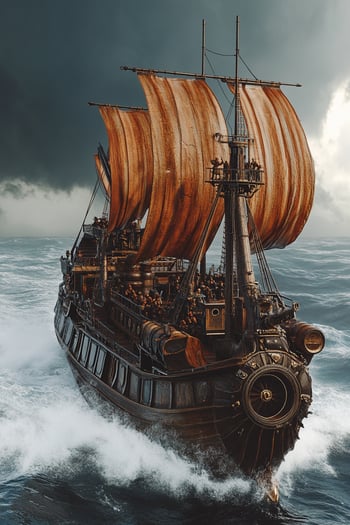
The three remaining substrains occupy the specialized fringes of the realm. The seafaring Haefdweorges spend the vast majority of their lifespans atop the waves, dredging the ocean floor for minerals and prized marine gems, even processing raw ores directly on their massive factory ships to maintain independence from the mainland.
Far beneath the topsoil, the reclusive Oradweorges spend their entire lives in absolute darkness, operating the deep subterranean networks and rarely catching a glimpse of the sun or even their fellow Dweorges. Finally, the hardy Beodweorges inhabit the freezing, high-altitude peaks of the northern mountain ranges, braving the elements to extract precious alpine ores.
At the heart of this domain lies Diamond City, the cosmopolitan capital of the Quarrylands and a stark contrast to the monocultural countryside. As the primary trade gateway, Diamond City hosts a vibrant, diverse diaspora featuring established communities of Humans, Aelfen, Sweardaelfen, Kuulik, and even small enclaves of Tozakh. These non-Dweorgen residents are almost universally tied to commerce, serving as vital links to their ancestral homelands to manage complex international sales, raw material acquisitions, or cross-border logistics.
Culture
Dweorgen society is defined by an unyielding, relentless work ethic that leaves almost no room for idle hands. To a Dweorg, personal worth is intrinsically tied to productivity, and individuals will actively go out of their way to find meaningful, contributing roles even for the most elderly or physically infirm members of their communities. This cultural engine is continuously fueled by a dual-burning desire: an innate psychological need to produce tangible goods and an absolute, unwavering devotion to Thor.
While Dweorgen religious practices fall under the broader umbrella of Wodenism, the pantheon is heavily skewed in favor of Thor, their chosen champion in Otan. The Dweorges maintain a unique, prophetic outlook regarding the end of days, firmly believing that if anyone is to be saved during the catastrophic events of Ragnarok, Thor will personally extend his lightning-ringed shield to protect his chosen craftsmen from destruction. While they harbor no active animosity toward the other gods, diligently offering the rest of the pantheon their required weekly worship, any solemn oath sworn by a Dweorg is almost exclusively bound to the name of Thor.
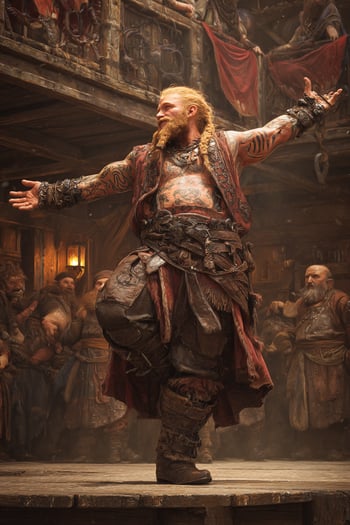
This rigid focus on numbers and output bleeds heavily into their leisure. Dweorgen festivals are celebrated with grand feasts, heavy drinking, and athletic games, much like any other culture in Otan, but they feature a uniquely analytical twist. The accolades and prizes distributed during these festivals are intensely numeric and performance-driven. Honors are not awarded for abstract beauty, but for the highest agricultural yield, the most efficient ratio of refined metal to ore, the greatest annual percentage of production increase, or the fewest consecutive work stoppages in a local sector.
Beneath this shared national framework, deeper cultural variances split along geographic lines. The Fyldweorges celebrate the bounty of the earth through structured urban festivals and agricultural fairs, while the mountain-dwelling Beodweorges practice austere, isolationist rituals dictated by winter cycles. Deep underground, the Oradweorges maintain silent, rhythmic customs timed to the vibrations of the earth, completely alien to surface life. Meanwhile, the Haefdweorges of the sea are a superstitious, maritime breed, blending traditional Dweorgen stoicism with unique nautical folklore born from the unpredictable southern ocean.
Politics

Politically, the Quarrylands utilize a unique administrative figurehead known as the Mountain King. To foreign ambassadors and rival nations, the Mountain King is presented as the absolute, sovereign ruler of the Dweorgen people; however, anyone living within the borders of the Quarrylands understands that his crown is entirely symbolic. The Mountain King is a king by proxy, a highly visible executive face tasked with executing the will of the true power operating behind the throne.
The real governance of the Quarrylands is a strict, corporate meritocracy overseen by the League of Dweorgen Miners. Individuals who demonstrate an innate flair for administration, logistics, and resource management are singled out early and put forward by the guild consortium. The most capable of these bureaucratic candidates steadily rise through the ranks, advancing from small municipal oversight to large regional management, and ultimately into national leadership roles based entirely on their proven efficiency and output.
There are no fixed terms or election cycles for any political position within the Quarrylands. The League of Dweorgen Miners retains the absolute right to restructure, demote, or completely shuffle the governing apparatus at any given moment to maximize national productivity. Despite this absolute authority, political upheavals are incredibly rare; changes are implemented gradually and logically, usually occurring only when common Dweorges begin to notice glaring infrastructural deficiencies or drops in local supply chains.
The leadership of the individual guilds themselves is oligarchic, with primary titles and controlling shares tightly managed by a select group of deeply entrenched merchant families. This dynastic stability results in a governing system that avoids radical ideological shifts, preferring a slow, calculated evolution where the overarching goals remain permanently fixed: maximum industrial productivity, peak economic profitability, and absolute physical protection for every living Dweorg.
Economy
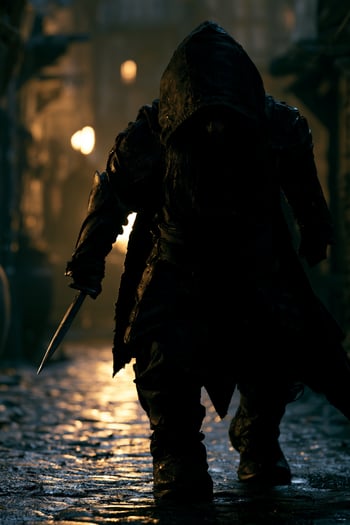
The entire Dweorgen economy derives from the extraction and processing of minerals. The nation is a closed-loop industrial powerhouse where the citizenry mines, smelts, smiths, and polishes around the clock. While the Fyldweorg farmers and ranchers manage vast tracts of agricultural land to produce food, their output is precisely calibrated to meet domestic survival needs; they aim for total self-sufficiency, ensuring an embargo can never starve out the nation. They will occasionally indulge in importing exotic foreign spices to vary their diet, but they strictly refuse to import basic grains.
When dealing with international merchants, Dweorgen traders are notoriously difficult to sway with standard luxury goods, though they can periodically be tempted by strategic military assets. High-quality horses, sturdy riding lizards, or expertly trained hunting birds are among the few biological commodities they value, though they otherwise turn their noses up at foreign livestock.
Their primary export market dominates Otan through the distribution of high-grade raw metals, peerless structural alloys, and flawlessly cut gemstones. Conversely, their imports are highly specific, restricted to rare gems and unique heavy metals completely unavailable within the geological strata of the Quarrylands. Furthermore, they are eager buyers of pre-constructed wooden foreign ships or raw timber; due to an ancient, deeply rooted cultural superstition regarding the felling of living trees, they prefer to let other nations clear-cut forests while they happily purchase the finished woodwork.
Geography
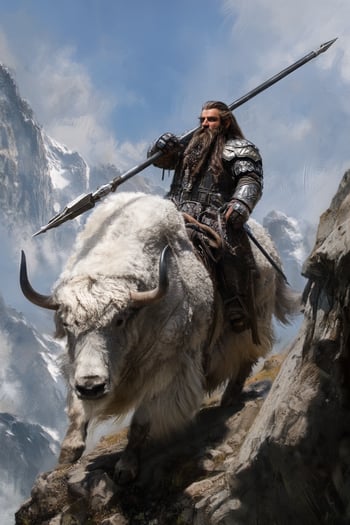
Nestled securely on the central southern coast of Otan, the topography of the Quarrylands is as rugged and defensible as the people who claim it. The landscape is a complex network of deep rocky canyons, rich alluvial valleys, and massive open-pit excavations carved directly into the bedrock, all managed with meticulous logistical precision by the League of Dweorgen Miners.
The Northern Border: The frontier with Batis is completely obstructed by a towering, ice-capped mountain range that remains virtually impenetrable to conventional armies, effectively insulating the Dweorges from northern threats.
The Western Border: This boundary line faces the Sweardaelfes of Kiskentay and remains largely undefended and unfortified. The two strains have enjoyed an uninterrupted history of peace, and the Dweorges trust the vigilant Kiskentay people to naturally neutralize any unusual external threats before they reach the border.
The Northwestern Border: A more volatile frontier exists where the territory touches the Free States. Because any manner of monstrosity or unstable raiding party can lurch forward from this lawless region, the Dweorges maintain heavy, heavily armored military patrols along this line.
The Eastern Border: The frontier with the wild lands of Karazalik has historically been peaceful and free of political contention, though the League maintains a network of watchtowers solely to monitor and cull the massive, aggressive beasts that occasionally wander out from the eastern wilderness.
History
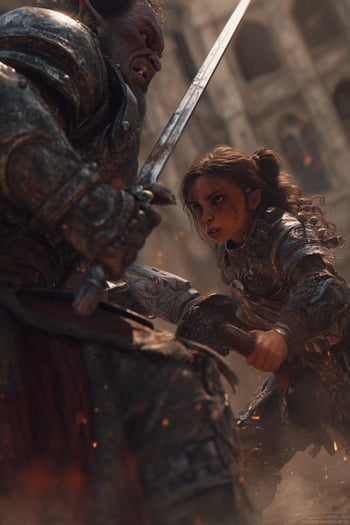
The Dweorges possess an immense sense of historical longevity, remaining absolutely certain that their lineage and civilization date back at least a millennium before the cataclysmic event known as the Great Erasure. This claim is widely supported by Otan's independent Sophists, who note that the sprawling, labyrinthine tunnels and deeply subterranean mines grid-marking the nation are so incredibly vast that they would require dozens of continuous generations of coordinated labor to complete.
While the Great Erasure wiped away verifiable physical evidence linking them to their fabled origins with Thor, the Dweorges awoke into the current era possessing the exact specialized tools, advanced metallurgical knowledge, and architectural blueprints required to immediately fulfill their prophetic legacy. They instantly resumed mining and smelting, carrying on their pre-Erasure industries as if they had never been interrupted.
In the 260 years following the Great Erasure, the dawn of the current Incipit Mundi (IM) period, the Dweorges have fiercely resisted cultural drift, making remarkably few changes to their core societal traditions. The most significant modern development has been the rising prominence of Tinkers, a class of inventors the Dweorges consider a fascinating novelty unique to this current IM era.
By collaborating with these Tinkers, the League has successfully integrated advanced mechanical engineering with traditional craftsmanship, enabling the creation of massive, ore-hauling airships. These vessels have revolutionized their domestic logistics, allowing the League to easily supply, fortify, and extract materials from the isolated Beodweorges working the highest, most treacherous alpine mines.
Throughout their modern history, the Dweorges have ravenously defended their borders from external incursions, maintaining a standing army so immense and heavily mechanized that contemporary foreign scholars argue it is far larger than a defensive nation could ever realistically need. This isolationist, heavily armed stance was put on full display during the continent-spanning Grendel War.
The League steadfastly refused to formally entangle its nation in the global conflict, choosing instead to protect its industrial output. They ultimately committed only a token force of a few specialized fighting units to aid the defense of Soltustik in the far north. The contribution is so symbolically and embarrassingly low that it remains a point of quiet political friction among Otan's international diplomats to this day.
Subregions of Quarrylands
Capital Region
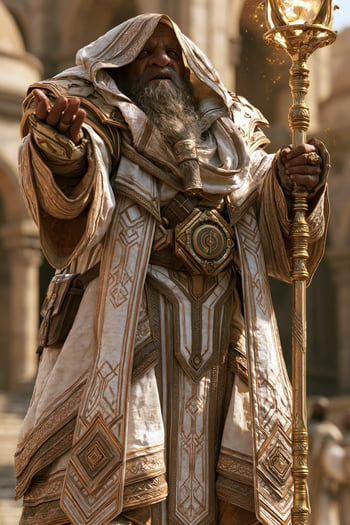
Capital: Diamond City
Population: 660,689
Area (sq. Gorom).: 28,452
Dweorgen Coast
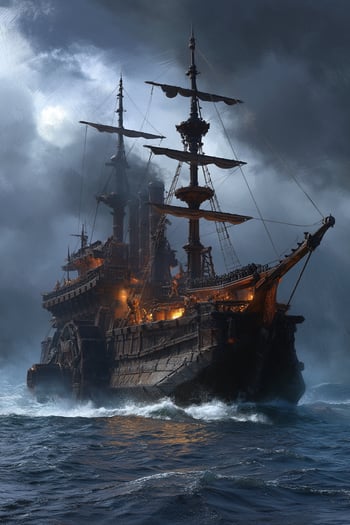
Capital: Unknown
Population: 7,120
Area (sq. Gorom).: 476
Gemstone District
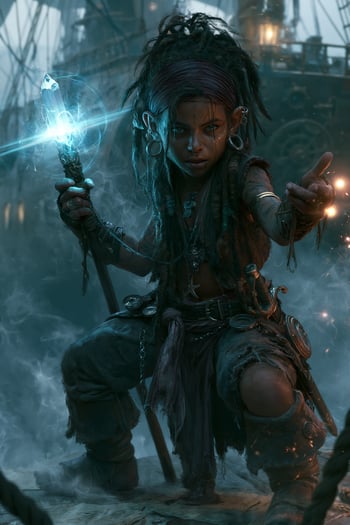
Capital: Ruby City
Population: 1,116,098
Area (sq. Gorom).: 35,896
Metals District
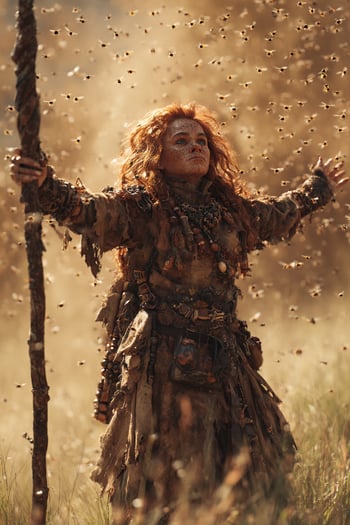
Capital: Gold City
Population: 597,400
Area (sq. Gorom).: 19,908
Mined Wastes Territory
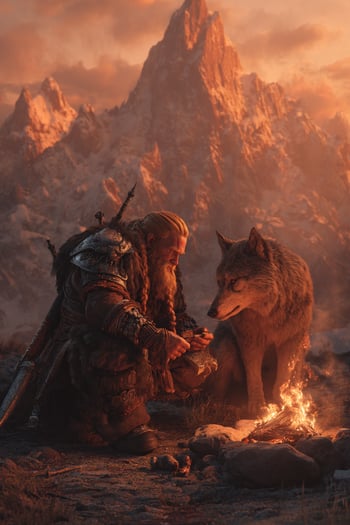
Capital: Unknown
Population: 691,929
Area (sq. Gorom).: 126,160
Seagem District
Capital: Coral City
Population: 695,758
Area (sq. Gorom).: 20,212
| Copyright © 2021-2026 by Robyn Blaber and Will to Power Games. All rights reserved. Content on this website may not be reproduced without written permission of the copyright owner. |
