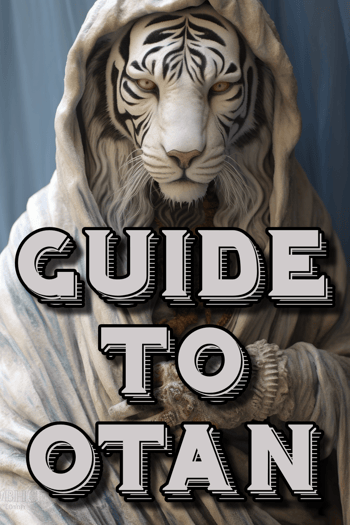
Guide to Otan
| Type of | Continent |
|---|---|
| Genre | Fantasy |
| Inhabitants | Humans, Aelfes, Dweorges, Grendel, Aydahar, Ungir, etc. |
The continent of Otan is a massive, oblong landmass that serves as the singular cradle of civilization within a vast and impenetrable ocean. To the west, the mainland shatters into a sprawling archipelago that is home to the seafaring Araldikar, while the rest of the continent stretches toward four distinct corners. Each of these corners is inhabited by cultures that have adapted to their specific biomes. At the very heart of Otan lies its most formidable feature, which is a central range of towering mountains perpetually entombed in glacial ice. This frozen crown remains one of the few truly uninhabited regions of the world.
The environmental spectrum of Otan is extreme. It ranges from the biting, sub-arctic tundra of Soltustik in the north to the lush and humid tropics of the Karazalikar territories in the south. Despite these regional differences, the continent follows a unified seasonal cycle where winter is universally the coldest period and summer is the warmest. Otan is a literal island in a void, surrounded by a fundamentally impassable sea.
Neither the most advanced nautical technology nor the most potent arcane magic can preserve a vessel that ventures beyond the sight of land. Ships that stray too far into the horizon simply vanish or are torn apart by forces that defy explanation. This physical limit has forced the various strains of Humans, Aelfes, Dweorges, and Grendel to focus their expansionist energies inward.
The sky of Otan is dominated by three tidally locked moons that never turn their faces away from the world. The largest and most brilliant is the Eye of Woden, which is flanked by two smaller companion moons known as Huginn and Muninn. These celestial bodies orbit Otan in a synchronized dance once every six-day week. The Otanian year is structured into twelve months, each consisting of twenty days. This cycle is appended by a final Holy Week, which is a universal period of transition observed by every culture on the continent.
Otan is a land of deep spiritual diversity that houses six major religions and a pantheon of over one hundred gods. These faiths are the primary drivers of the Will to Power, shaping the laws and conflicts of the seven human nations and their non-human neighbors. While the Great Erasure 260 years ago wiped the historical slate clean, the people of Otan have spent the intervening centuries building a complex and vibrant world within the confines of their sea-locked home.
Otan Inhabitants
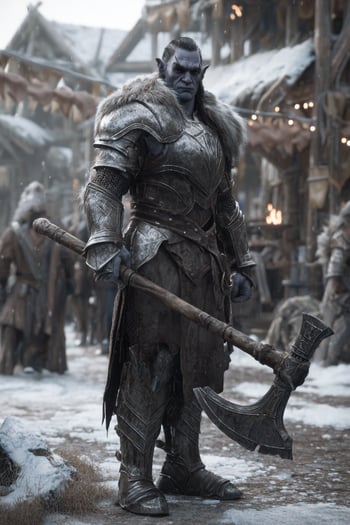
The inhabitants of Otan are composed entirely of various strains and substrains of humanity, each having been fundamentally changed by unknown forces into the diverse forms that now walk the continent. From the ethereal Aelfes to the resilient Dweorges and the formidable Grendel, every soul is an offshoot of a shared biological baseline, yet they exist in a state of profound historical amnesia.
Because the Great Erasure wiped away all traces of what came before, these people suffer from a common lack of history both together and apart, leaving them to navigate a world where they must solve the mystery of their own origins. This fractured heritage drives the various nations to struggle for dominance as they attempt to define their place in a reality where the past is a void and the future is dictated only by their collective Will to Power.
Aelf
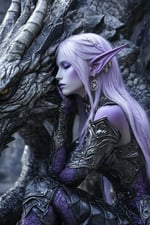
The Aelfes (🔊 ALF ) are a northern strain occupying the mountains, forests, and seas. Legend tells that the first Aelfes were created by Woden the All-Father.
Substrains: Brimaelf, Dunaelf, Friggaelf, Wodaelf, Wyrmaelf
Aydahar
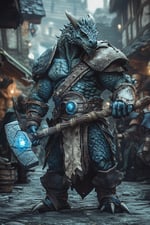
The Aydahar (🔊 AY-duh-HAR or 🔊 EYE-duh-HARRR) are a race of draconic-infused humans originally of human origin, but whose ancestors are of a draconic lineage.
Substrains: Altin Aydahar, Aq Aydahar, Jasil Aydahar, Kara Aydahar, Kizil Aydahar, Koke Aydahar
Dweorg
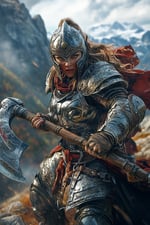
The Dweorges (🔊 DWORG ) inhabit south-central Otan. Legend tells that the first Dweorges were created by Woden the All-Father.
Substrains: Beodweorg, Fyldweorg, Haefdweorg, Oradweorg
Garis
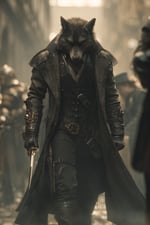
The Garis (🔊 GARE-is) are a collection of canine, lupine, and vulpine humanoid people who live on the southern shores of Otan.
Substrains: Akimsilik, Beybitsilik, Ustemdik
Grendel
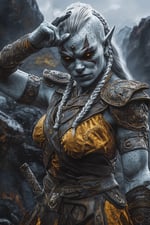
The Grendel (🔊 GREN-duhl) are often characterized as a savage strain, though would agree that this supposition is based on their arguably brutish looks.
Substrains: Kalas Grendel, Maerc Grendel, Sogis Grendel
Human
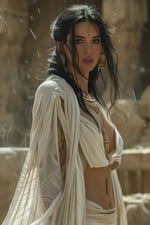
There are seven cultural variants of humans. These variants are not divided by even lines and individuals may vary greatly within each group.
Substrains: Araldikar, Batistikar, Karazalikar, Ontustiker, Ortalykshilar, Xigis Turgindar, Soltustiker
Kuulik

The Kuulik (🔊 koo-OO-lik) are a diminutive race of green-skinned fonts of ambition. Lacking the might to take territory, most Kuulik are itinerant in nature, frequenting other nations for trade.
Substrains: Sawdager, Tenizi, Uris
Misiq
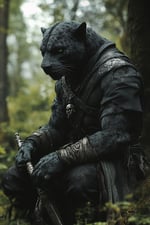
The Misiq (🔊 MIH-sik) are a solitary race native to southeastern Batis. Because of their detached nature, they have little contact with other strains.
Substrains: Aristan, Baris, Jolbaris, Sileysin
Qurilissi
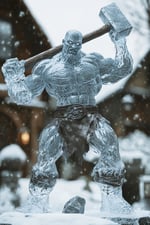
The Qurilissi (🔊 KOO-rih-LEE-see), better known to some as the "builders" appear in the lore of most of the religions of Otan.
Substrains: Aya Qurilissi, Jer Qurilissi, Ort Qurilissi, Suu Qurilissi
Sweardaelf
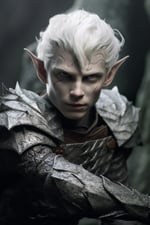
The Sweardaelf (🔊 SWAIR-dalf) are a diminutive race who reside mainly in the southwestern Kingdom of Kiskentay.
Substrains: Borgainaelf, Fyrthaelf, Geardaelf, Scraefaelf
Tozakh
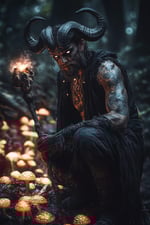
The Tozakh (🔊 toe-ZAK) differ most notably from other humans in their propensity to grow horns and antlers.
Substrains: Faun Tozakh, Infernal Tozakh
Ungir
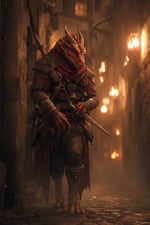
The Ungir (🔊 ung-GEER) are a highly gregarious and industrious people with a penchant for exploring the underground.
Substrains: Juzuu, Karangi, Usatin, Ustinde
Otan Geography
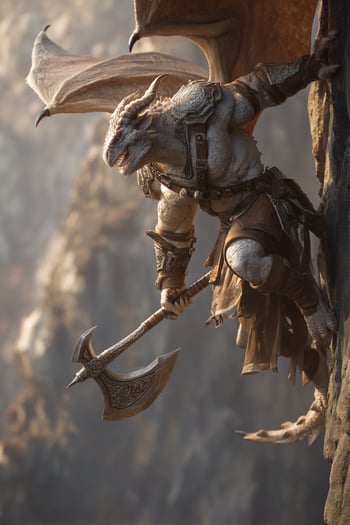
Otan is a vast and oblong continent defined by its extreme geographical diversity, stretching from the frozen northern wastes to the sweltering tropical south. At its geographical heart lies a massive, uninhabitable core of towering mountains capped by permanent glacial ice, a frigid crown that separates the surrounding lowlands and serves as the continent's literal spine. To the west, the land shatters into a complex archipelago of islands, while the rest of the mainland is divided into seven major human nations and several non-human territories, each carved out of distinct climate zones.
The far north is dominated by the sub-arctic tundra of Soltustik, where the ground is perpetually frozen, transitioning southward into the temperate central plains of Ortalyk and the fertile, golden breadbaskets of the Republic of Batis. Further south, the landscape shifts dramatically into the arid, sun-scorched deserts and lush oases of the Ontustiker Caliphate, eventually reaching the humid, verdant rainforests of the Karazalikar matriarchy.
This entire landmass is locked within a singular, impassable sea that acts as an absolute boundary, forcing these many countries to compete for space and resources within a closed ecosystem. Because of the Great Erasure, the borders of these nations are relatively young, yet the civilizations within them have rapidly mastered their specific environments, from the maritime Araldikar of the western islands to the forest-dwelling Aelfes of the Aelfwode, creating a world where geography and the Will to Power are inextricably linked.
Aelfgarad
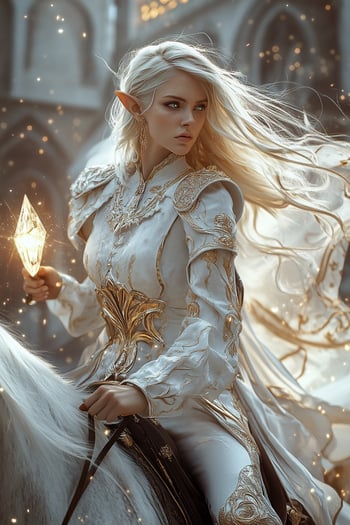
Aelfgarad (🔊 ALF-ga-rahd) is a country in the the northwestern corner of continental Otan. It is predominantly populated by the Friggaelf substrain of Aelfs.
Capital: Bealu
Population: 3,386,953
Culture: Aelf
Aelfwode
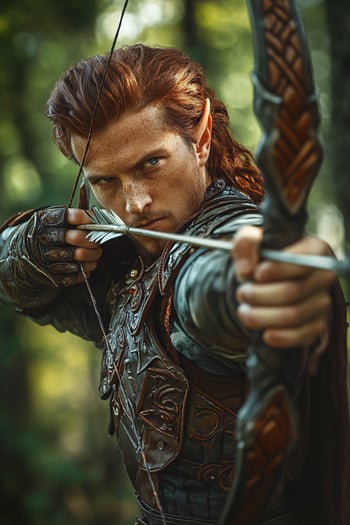
The central landlocked country of Aelfwode (🔊 ALF-wode) is almost entirely forested. It is bordered by 5 countries and populated with Wodaelfs.
Capital: Stapol
Population: 2,333,939
Culture: Aelf
Altinqor
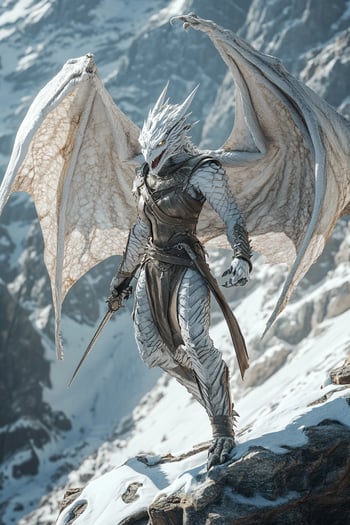
Altinqor (🔊 AHL-tin-kor) is a south-central landlocked country populated by the draconic-blooded Aydahar and every variety of dragon found in Otan.
Capital: Kazinasi
Population: 5,161,498
Culture: Aydahar
Araldar Coast
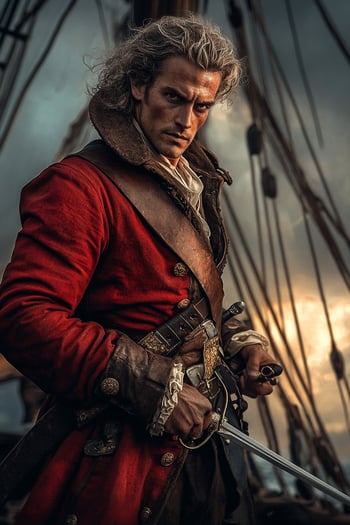
The Araldar (🔊 ah-RAWL-dar) Coast is an island archipelago off Otan's western coast. The Araldar Coast is a collection of Baronies governed by its military, the Union of Araldar.
Capital: Jagalik
Population: 5,754,613
Culture: Araldikar
Batis
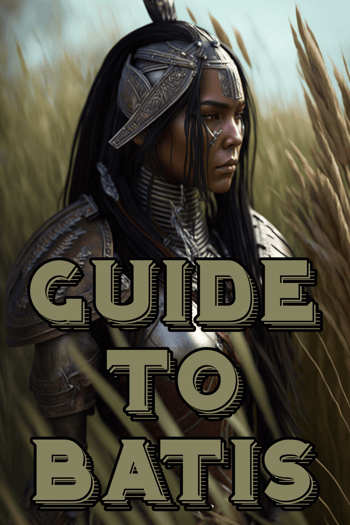
The Batis (🔊 bah-TEESE) Republic is a large territory in north-central Otan. It is populated, primarily by the agrarian Batistikar people.
Capital: Astik
Population: 4,737,832
Culture: Batistikar
Free States
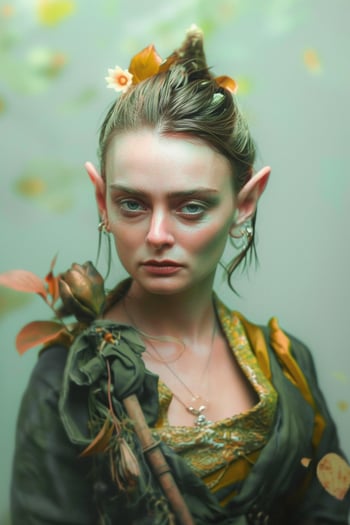
The Free States are a territory comprised of independent city-states with no central government. Their population is wildly mixed.
Capital: Asylzhan
Population: 2,832,275
Culture: Mixed
Garis Nation
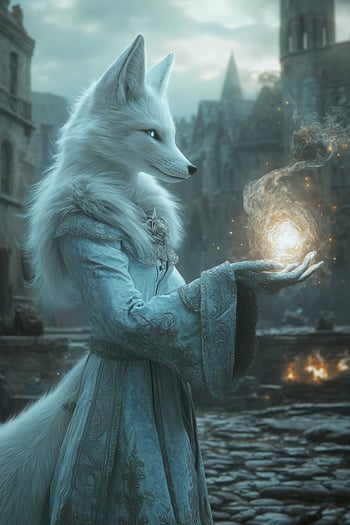
The Garis (🔊 GARE-is) Triumvirate is a tri-fold state composed of three regions, each populated and represented by a substrain of the Garis strain.
Capital: Trappist
Population: 4,589,956
Culture: Garis
Jalinbeti
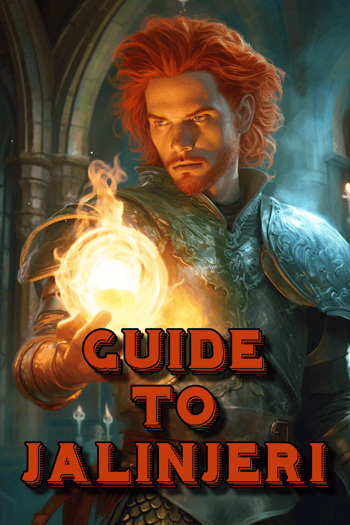
Hedgewind Jalinbeti founded the Jalinbeti (🔊 jal-in-BETT-ee) Protectorate after the territory seceded from Ortalyk. Its population is a diaspora of Otan.
Capital: Jalinbeti City
Population: 506,601
Culture: Mixed
Karazalik
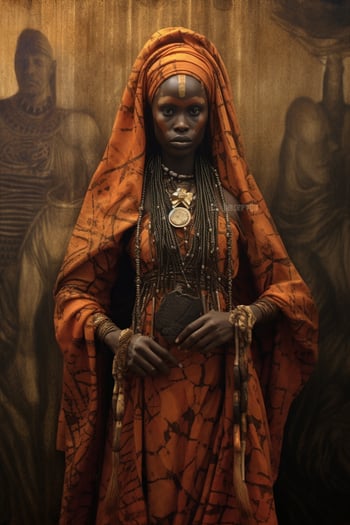
The south-central nation of Karazalik (🔊 care-ah-ZAHL-ik) is populated by Humans, noted for their dark complexions and matriarchal society.
Capital: Kenzhe
Population: 2,753,573
Culture: Karazalikar
Kiskentay
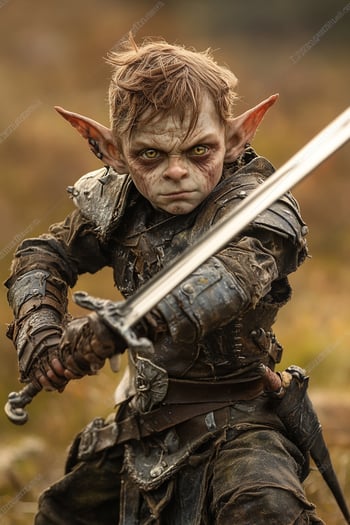
The Kingdom of Kiskentay (🔊 kiss-KEN-tay) is situated on the southwest corner of Otan. The diminutive Sweardaelfes rule their lands and seas.
Capital: Kiskentay City
Population: 3,463,862
Culture: Sweardaelf
Kuulik Peninsula
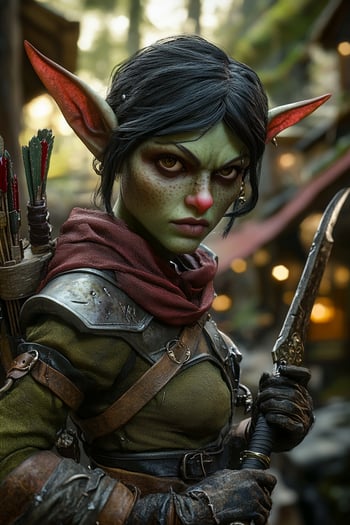
The Kuulik (🔊 koo-OOH-lihk) Trade Company is the smallest nation in Otan, yet boasts the most far-reaching influence of any. The Kuulik people govern it.
Capital: Narik
Population: 693,220
Culture: Kuulik
Maercland
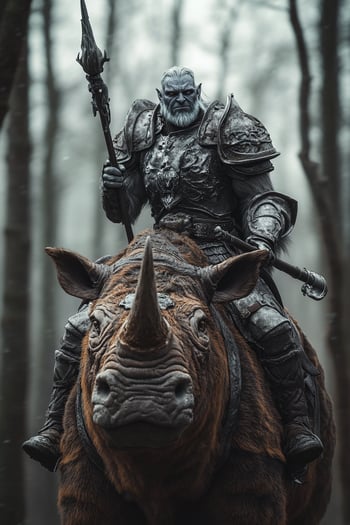
Maercland (🔊 MARK-land) sits on the northern coast, with the Ungirsi Federation on its southern border and Soltustik to the west. It is Grendel territory.
Capital: Sogis Kalasi
Population: 3,558,426
Culture: Grendel
Neutral Territory
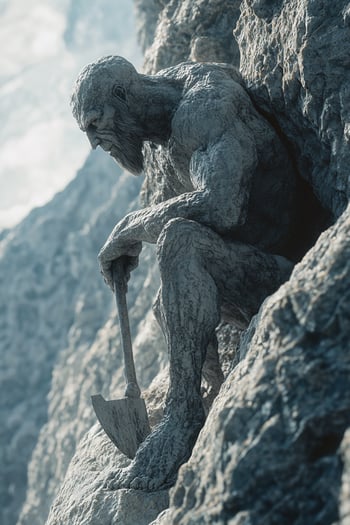
The Neutral Territory includes any territories in Otan not claimed by a sovereign nation. Most of this territory is under ice or far from a source of fresh water.
Capital: Unknown
Population: 9,356,565
Culture: Mixed
Ontustik
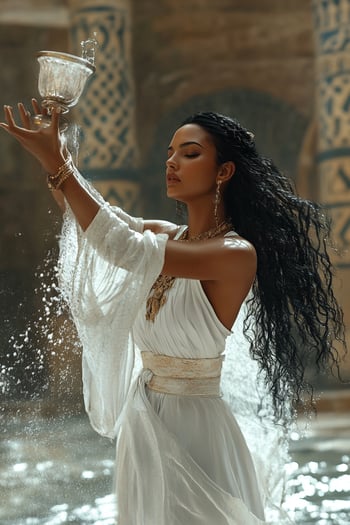
The Caliphate of Ontustik (🔊 on-TOO-stik) is a southern nation bordering Karazalik. The Ontustikar people are the sole penitents (citizens).
Capital: Anar
Population: 4,846,334
Culture: Ontustiker
Ortalyk
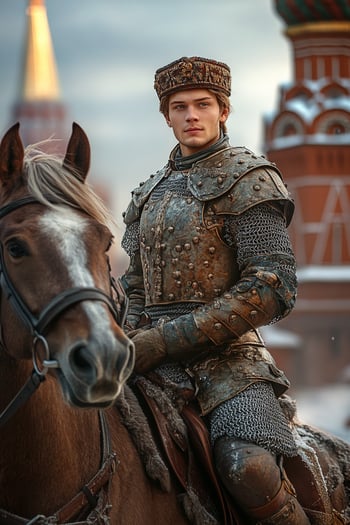
The eastern and central Tsardom of Ortalyk (🔊 or-TAHL-ik) boasts the largest population and the richest economy of any nation in Otan. Its citizens are Ortalykshilar.
Capital: Kala Astanals
Population: 5,852,509
Culture: Ortalykshilar
Quarrylands
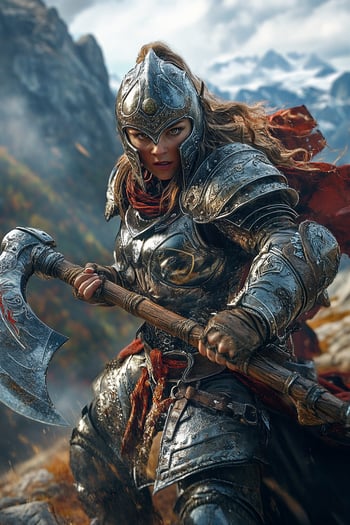
The Quarrylants are administered by the League of Dweorgen (🔊 DWOR-ghen) Miners, consortium of mining guilds situated in south central Otan. It is populated by Dweorges.
Capital: Diamond City
Population: 3,768,994
Culture: Dweorg
Shuwalu
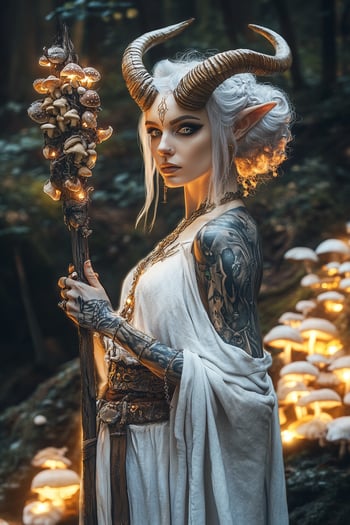
The Shuwalu (🔊 shoo-WALL-oo) Brotherhood is a frozen northern refuge for the Tozakh people. It borders the Batis and Soltustik nations.
Capital: Nergal
Population: 1,753,645
Culture: Tozakh
Xigis

The Xigis (🔊 ZHEE-jeese) Empire is a densely populated eastern nation steeped in tradition. The Xigis Turgindar people make up the Xigis population.
Capital: Asiltas
Population: 2,730,228
Culture: Xigis Turgindar
Soltustik
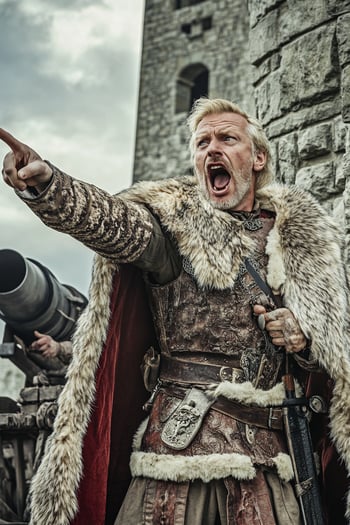
The north-central Kingdom of Soltustik (🔊 salt-STIK) is ruled by the Muz Dynasty, from which the capital takes its name. It's known for its blond people and cold weather.
Capital: Muz
Population: 4,530,866
Culture: Soltustiker
Tosenis
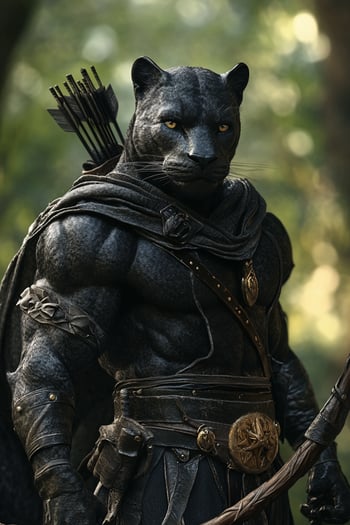
A nation that is not a nation, Tosenis (🔊 tow-SAY-nis) fights for its very existence in southeast Batis. It is peopled by the feline Misiq people.
Capital: Korap
Population: 9,750
Culture: Misiq
Ungirsi Federation
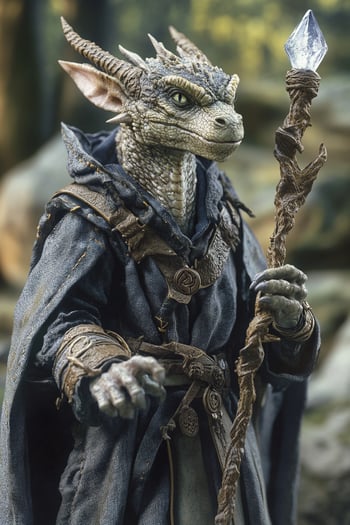
The Ungirsi (🔊 un-GEER-zee) Federation was formed after an exodus of the Ungir from the draconic territories of Altinqor. Its cities are mostly underground.
Capital: Negizi Ungir
Population: 1,476,104
Culture: Ungir
Otan Cosmology
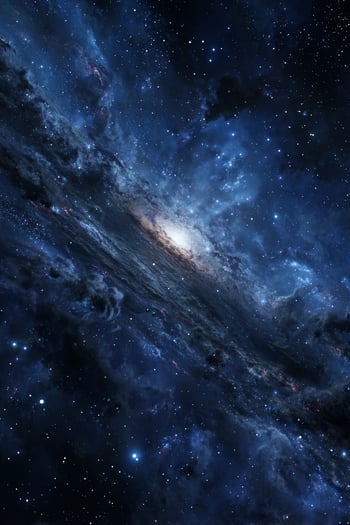
To the best reckoning of the most dedicated Sophists, Otan is a massive continent covering a significant portion of a globe that rotates around a steady yellow sun every 366 days. This solar cycle is mirrored by a precise celestial clockwork above; every six days, the world is orbited by three equidistant moons. The largest and most brilliant of these is the Eye of Woden, which is flanked by its two smaller companions, Huginn and Muninn. These moons are tidally locked, forever showing a single, unchanging face to the people below as they mark the passage of the Otani week.
The most profound astronomical event occurs during Holy Week, the six-day period that concludes each year. During this time, the ecliptic of the sun passes directly through the Asuu, which the Sophists have identified as the galactic core. This celestial alignment is a time of great spiritual and physical tension. Scholars believe that Otan is somehow shielded from the literal fury of the Asuu, as they have observed distinct edges of darkened sky that seem to act as a protective barrier against the core’s intense energy.
The nature of the Asuu remains the subject of fierce intellectual and theological debate. While some argue it is a purely physical manifestation of the universe's center, others wonder if it possesses a divine consciousness. However, this remains a mystery of the "Before World," as no Divine has ever been known to acquire power through its worship, and no priest has ever successfully channeled its light. It remains a silent, radiant titan in the sky, marking the transition from one year to the next while the rest of the world offers its prayers to the gods of the modern era.
In addition to the physical continent and the celestial bodies above, Otanian cosmology recognizes two distinct spiritual realms: the Heavens and the Nether Worlds. For the vast majority of Otanis, these dimensions represent the final destination of the soul, with the afterlife determined by one's deeds, faith, or, in the case of the Karazalikar, the successful collection of one's soul fragments.
Whether a spirit ascends to the celestial radiance of the Heavens or descends into the shadowed depths of the Nether Worlds is a central concern of the six major religions, providing the moral and spiritual framework for life in the current era. There is, however, a third path that blurs the line between the living and the dead. It is widely believed that each of these realms possesses one or more "nexus" points that physically connect them to the world of Otan.
These nexus gates are not merely metaphorical doorways but literal locations where the veil between worlds is thin enough to cross while still possessing a mortal body. While the existence of these bridges is accepted as fact by most scholars and high priests, their locations remain the most highly guarded secrets on the continent. Whether they are hidden deep within the glacial center of the continent, buried under the desert sands of the Caliphate, or tucked away in the deepest groves of the Aelfwode, the means of accessing a nexus gate and the consequences of doing so remain a mystery that few have ever dared to solve.
Otan History
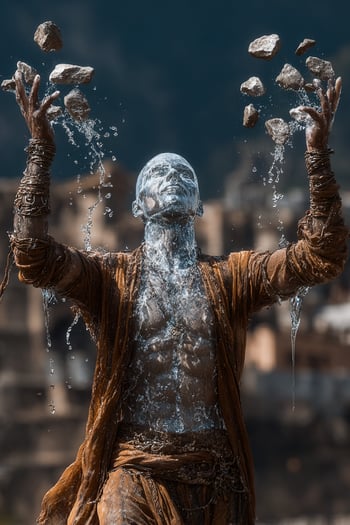
The history of Otan is fundamentally severed into two distinct eras: the AM (Ante Mundi) and the IM (Incipit Mundi). During the AM era, the world was brought into being by the collective will of the gods. Sophists, through the study of ancient ruins and geological anomalies, have determined that the divine creators did not work alone; they employed millions or perhaps billions of Qurillisi to serve as the architects and laborers of the physical realm.
The exact nature of these beings and the full extent of their work remain buried in the shadows of the past, as some unknown cataclysm eventually brought about the Great Erasure. This event was an absolute spiritual and mental wipe that scrubbed away every written record and oral tradition in existence. Few, if any, Qurilissi exist today.
In the first year of the IM era, humanity and its various strains awoke to a world without a past. While their specific memories of families, ancestors, and national identities were gone, basic survival instincts and essential skills remained. Knowledge of how to plant grain, sew garments, and maintain a household returned as if by instinct, allowing communities to return to a functional state almost immediately. However, international relationships had to be entirely pieced together from scratch. Because there were no memories of old alliances or ancient grudges, early explorers had to rediscover their neighbors and physically map the boundaries of the continent once more.
By the fifth decade of the IM era, the title of Sophist arose as a formal vocation. These scholars dedicated themselves to parsing together loose fragments of information, ruined monuments, star charts, and lingering biological traits to patch together a cohesive pre-history for their people. By the dawn of the second century IM, the continent had stabilized; borders were well-established, and ruling lineages were deeply entrenched.
This era of growth eventually gave way to tension, as Otan found itself ready for a war with itself. The first great conflict, known as the Grendel War, erupted fifty years later. Though the fighting was halted by the Treaty of Kala Astanals before the geography of Otan was wildly reshaped, the conflict unleashed a dangerous precedent. In the year 261 IM, the period of reconstruction has ended, and most nations now live in a state of high alert, actively preparing for the next great war to determine the future of the continent.
| Copyright © 2021-2026 by Robyn Blaber and Will to Power Games. All rights reserved. Content on this website may not be reproduced without written permission of the copyright owner. |
